
The Secret to a Perfect Crust: Why We Use Infrared
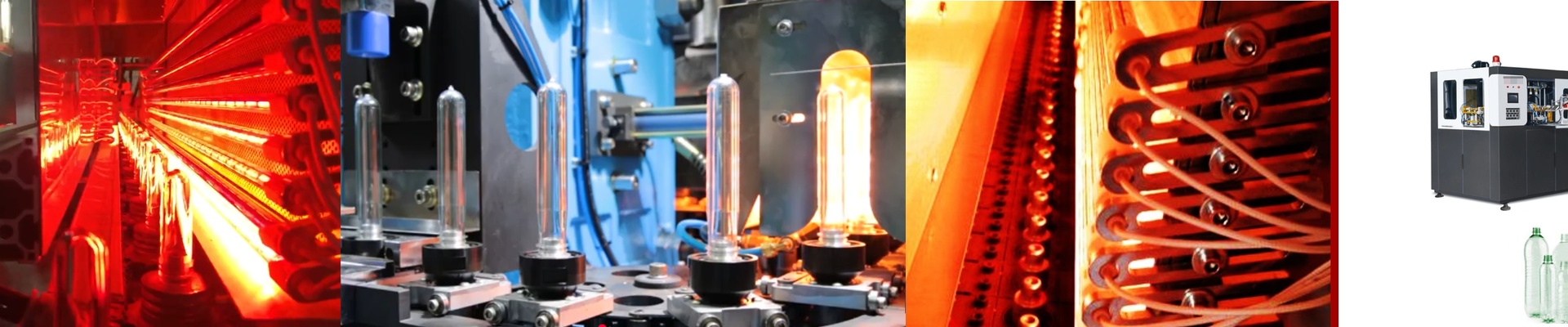
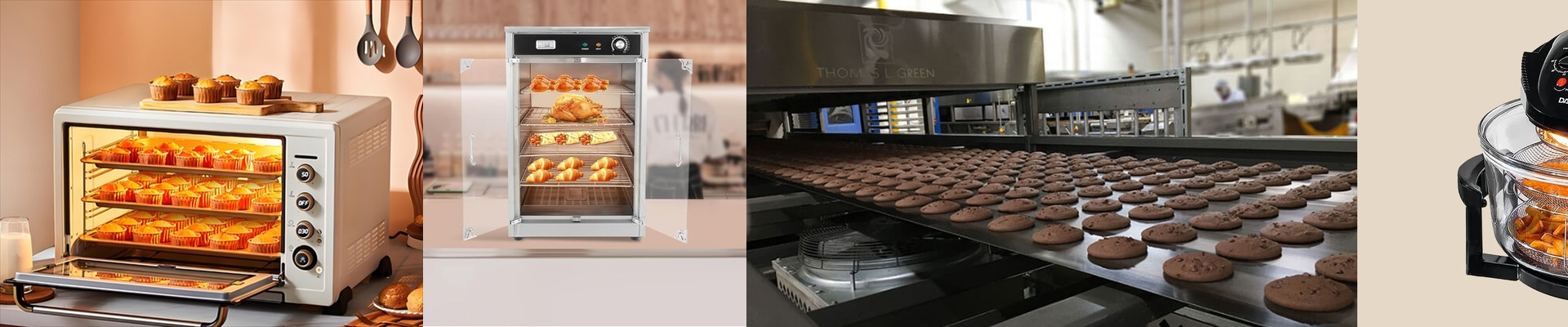
Ever wonder why some bread has that gorgeous, golden-brown crust while others just look… pale? Or worse, they’re burnt on the outside but doughy in the middle? Most people think it’s just about how hot the oven is. But it’s actually about how that heat hits the dough. In our restaurant ovens, we use ceramic infrared elements. They hit the surface with a specific kind of energy that triggers that beautiful browning (the Maillard reaction, if you want to get technical) without sucking all the moisture out of the bread.
Speed is everything
Standard heating elements are slow. They have to warm up the air first, and by the time that air gets the crust brown, you’ve overcooked the inside. It’s a frustrating trade-off. Infrared is different. It’s practically instant. The heat jumps from the element to the dough in milliseconds. This gives you a huge advantage: you can blast the top of a baguette to get that perfect sear, then kill the power before the middle of the loaf even realizes what happened.
Why the materials actually matter
We use high-purity alumina ceramics for these elements. Why? Because they can take a beating. Think about it: when you flip the switch from zero to full power, the material expands fast. Cheap ceramics can’t handle that kind of shock—they just crack. These don’t. These elements also pack a ton of heat into a tiny space. It lets us put the heating zone closer to your bread, which is great, but it means you have to be smart about your oven’s insulation. If the outer shell isn’t built to handle that kind of radiant heat, you’ll start seeing the metal warp. Not a great look.
Getting it to work in the real world
Putting these into a commercial deck or a conveyor oven is pretty simple. But here’s the catch: your controller has to be up to the task. If you’re using a slow relay, you’ll get “overshoot,” which is just a fancy way of saying you’ll get burnt spots. You want a PID controller or a fast-acting SSR to keep things precise. One last tip: keep an eye on your voltage drops if you’re running long wires. If the power dips before it hits the element, you won’t get the wattage you paid for, and your browning will suffer.