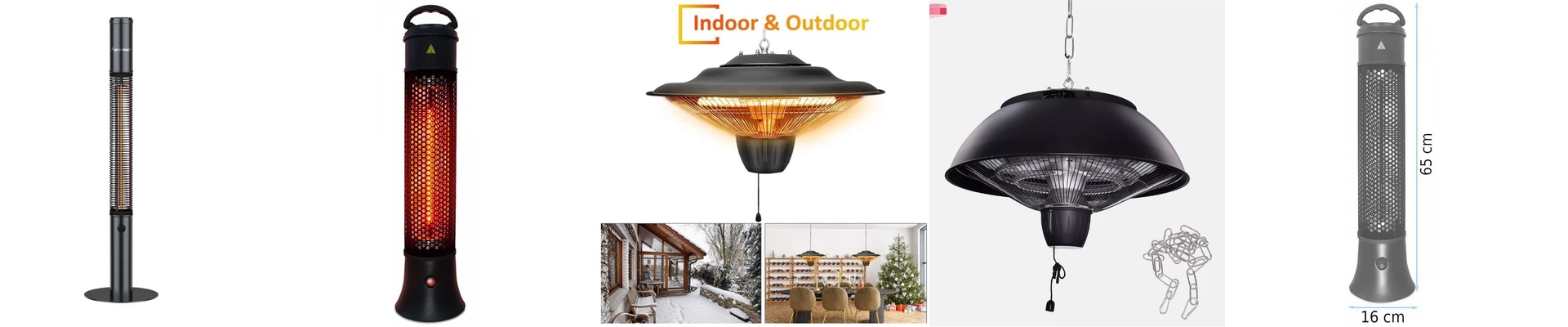

Nights outdoors end too soon when the air bites. You step out, ready to stay a while, and the cold shoves you back inside. A freestanding fireplace that throws instant infrared warmth changes that—no smoke, no soot, no messing around with kindling.
What matters under the hood
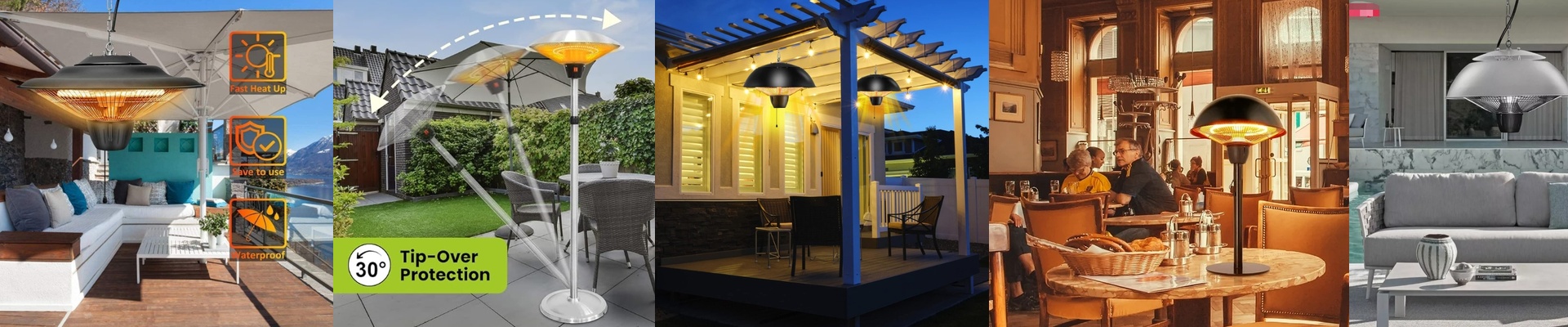
This unit is built around infrared radiant heat, so warmth goes straight to people and surfaces instead of trying to warm the whole open space. The heating element is paired with a housing made from a high percentage of recycled content, cutting material waste while keeping the structure solid. Heat comes on within seconds of flipping the switch, and a built-in thermostat keeps output steady instead of swinging all over the place. For safety, it has tip-over protection, and the outer surface stays cool to the touch—handy when you’re placing it in a family-friendly outdoor area.
Why it fits the way we live now
The idea is a lower-waste setup without giving up comfort. Use materials built for long life and high recyclability, and you cut down on replacements while keeping more material cycling back into production. In real use, it’s a dependable heat source that makes patios, decks, and garden corners usable earlier in the season and later into the evening. The warmth feels even across the body—hands, shoulders, legs—so conversations keep going, dinner stays relaxed, and the night stays yours.
The practical details
Infrared heat is directional, so placement matters. Put the freestanding fireplace where it can shine directly on seating areas, without walls or railings blocking the line of warmth, and keep clearance around the unit for airflow. It runs on standard household power, so plan for a nearby outlet or an outdoor-rated extension cord that matches the wattage. In windy spots, secure it against tipping, and always follow local codes for outdoor electric heaters.