
Introduction
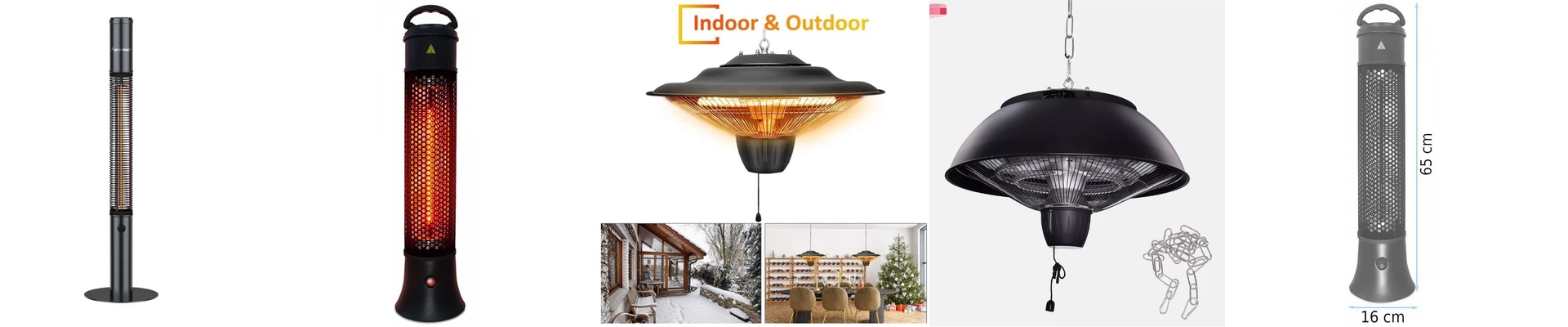
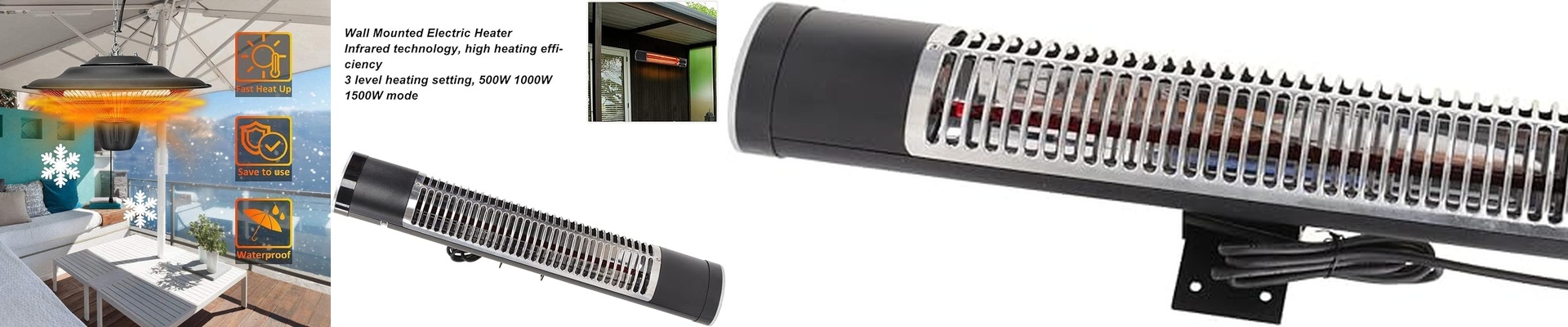
Picture this: you’re working in a place where still air and clean surfaces are absolutely essential. Maybe it’s a sleek display window, or a lab where even a speck of dust is a problem. Traditional heaters are a nightmare there. They kick up air currents, stir up dust, and just mess everything up. So we built something different. This infrared patio heater is all about delivering warmth directly to people and surfaces—no fans, no air movement, no exposed coils to shed bits and pieces. Just pure, quiet, targeted heat.
Getting into the details
We designed this thing to be compact but seriously powerful. It throws out a concentrated burst of heat that warms up cold surfaces and chilly spots fast, without overheating the whole area. And because space is often tight in these setups, we kept the footprint small. It slips easily into narrow cavities and tight enclosures. On the electrical side, it’s built to run on standard industrial voltages. Even if the power fluctuates a bit, the filament stays stable, so the heat output stays consistent. The lamp length and reflector are matched perfectly, so the heat beam lands right where you want it—not wasted on the walls.
What it’s made of
The heart of this heater is a halogen-filled quartz envelope—not a regular glass bulb. Quartz can handle the intense heat and won’t crack when the unit cycles on and off. That means it’s built to last, even with frequent use. The halogen cycle keeps the filament clean by redepositing material back onto the hot zone. So you get steady, reliable performance over time. And the R7s base? It’s a tough, straightforward connector that locks the lamp in place. It’s designed to handle the heat without softening, and it holds steady even with vibration. Just a simple drop-in replacement for existing fixtures. Just keep in mind—the lamp surface gets hot. So you’ll want proper clearance and a little thermal planning.
Where it shines
In display windows, this heater keeps the glass warm enough to prevent fogging and condensation, all without stirring up the air inside. In labs, there’s no forced air to kick dust around. That means your sensitive instruments and clean-room conditions stay exactly as they should be. Now, here’s the thing about infrared heat: it’s direct, not ambient. You do need to manage the thermal footprint so nearby materials don’t get too hot, and you’ll want enough ventilation. But when you need precise, clean, draft-free warmth? This heater gives you dependable control without messing up the environment.