
Introduction
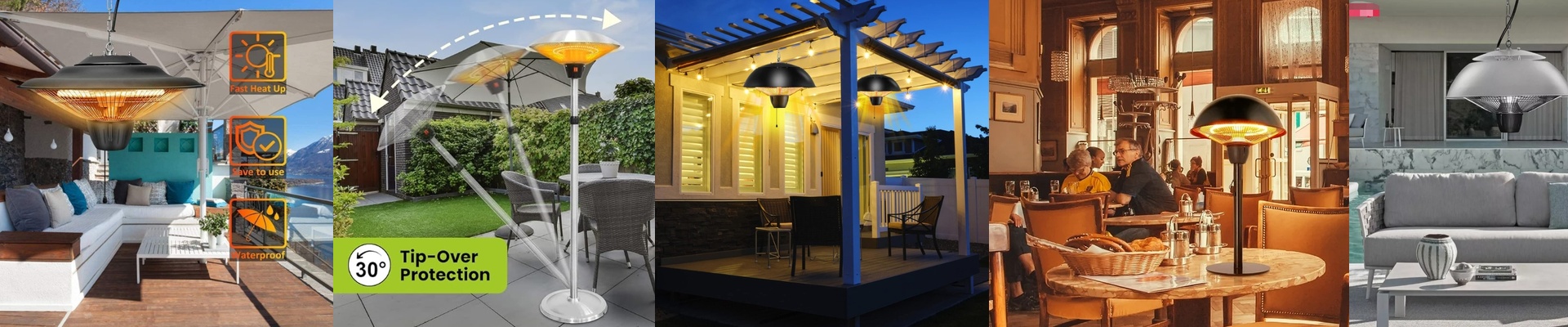
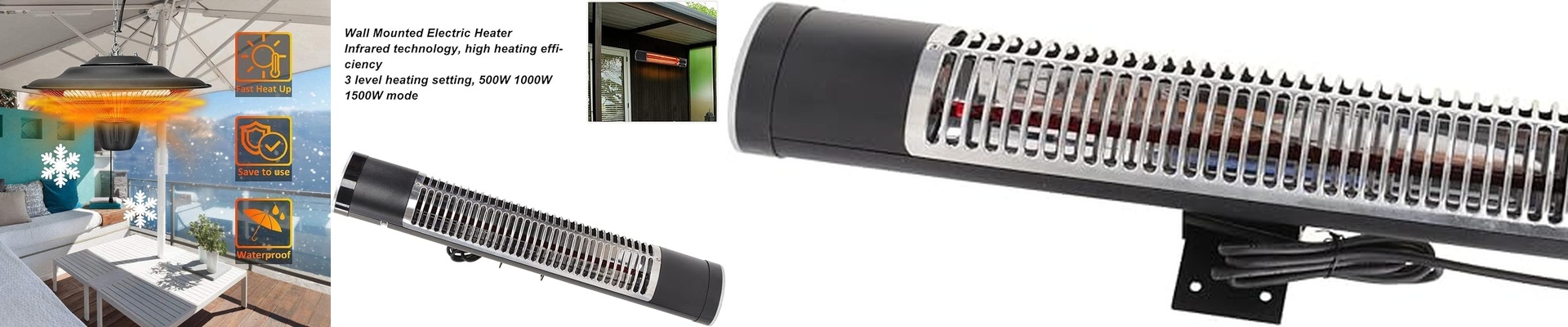
Let’s cut to the chase. We built the Infrared Umbrella Heater to be the no-nonsense, energy-smart alternative to those clunky electric oil radiators. The whole point? To give you instant, focused warmth without the energy bill shock. Forget how convection heaters waste power warming up the air that just rises and disappears. Our halogen-quartz lamps work differently. They send out heat that’s absorbed straight by people and objects. That’s the secret to feeling just as cozy, but using way less electricity.
Technical Deep-Dive: Power, Voltage, and Dimensions
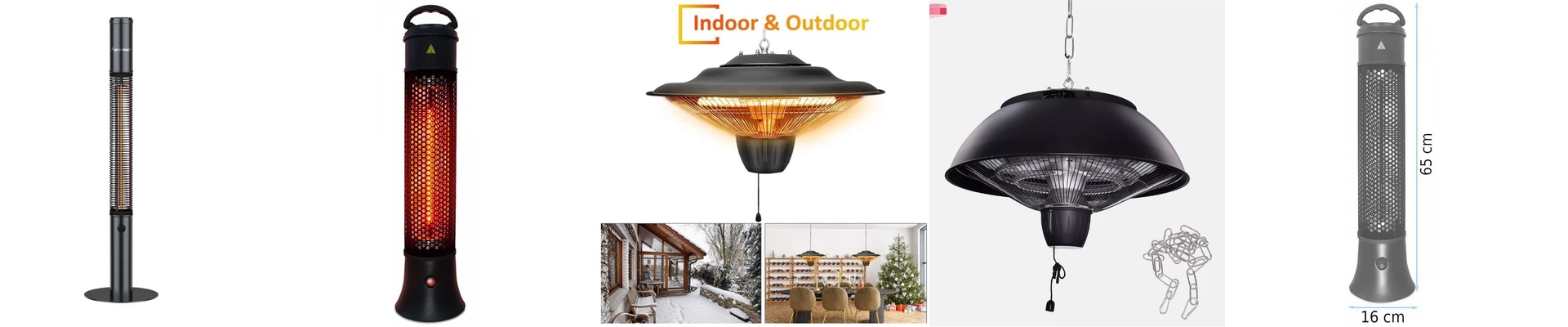
It all starts with the power. A standard unit runs on 220V and pulls 1200W. That kind of power packed into a small 300mm tube is what lets it blast out intense radiant heat. The science is pretty straightforward. Inside that quartz tube, a tungsten filament hits over 800°C, firing off infrared energy. This isn’t about slowly warming the whole room. It’s about delivering a concentrated blast of heat right where you need it. And because it runs on 220V, it plugs right into standard industrial outlets—no expensive rewiring needed.
Material & Design: Halogen, Quartz, and R7s Connectors
The heart of the heater is the halogen-filled quartz tube. There’s a clever chemical trick at play called the halogen cycle. It basically takes evaporated tungsten and puts it back on the filament. This stops the tube from blackening and keeps the lamp running strong for thousands of hours, avoiding that dim, tired performance you get from standard bulbs. Then there’s the R7s base. It’s more than just a connector. It’s a tough, two-pin ceramic piece built to handle the extreme heat at the ends of the lamp. It stays stable, even with constant vibration. This thing is built to be a workhorse, ready to take whatever a factory floor throws at it.
Application & Benefits: True Cost Reduction
We put it to the test. When we compared it to a similar-sized oil-filled radiator, the infrared heater used up to 40% less power to achieve the same feeling of warmth. Think about it. A radiator spends all its energy heating air, which just floats up and away. Our heater puts the energy directly onto the target. The trade-off? It’s directional. This isn’t about warming the whole room. You get a powerful beam of heat right where you aim it, and cooler air outside that path. For engineers, that means precise, controllable warmth where you need it, and a real, noticeable drop in your energy costs.