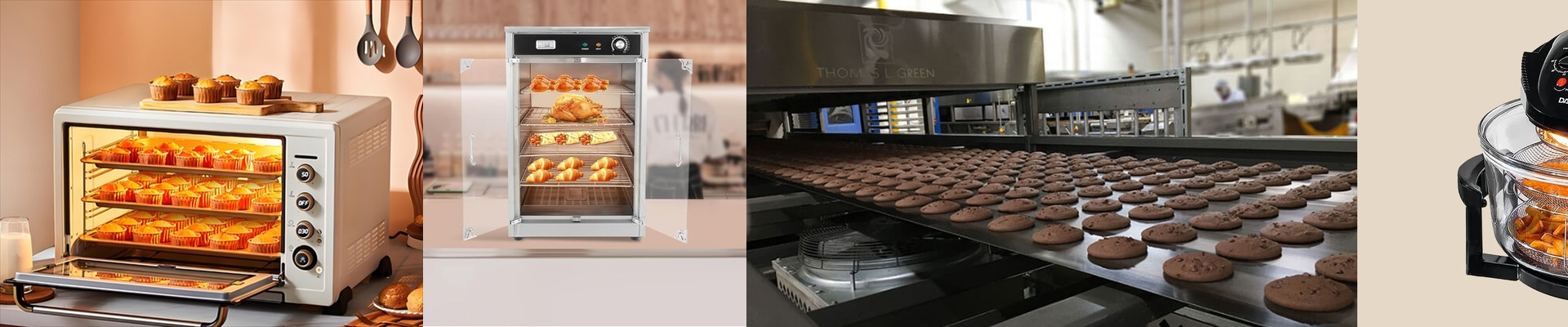

When the snack line is moving, that heating element isn’t a luxury—it’s what sets your output pace. A weak or aging tube kills recovery, throws temperatures off, and turns a planned 90-second cycle into a crapshoot. In a cafe snack machine, you see it in pale crusts, uneven browning, and a backlog of tickets that won’t clear.
What matters under the hood
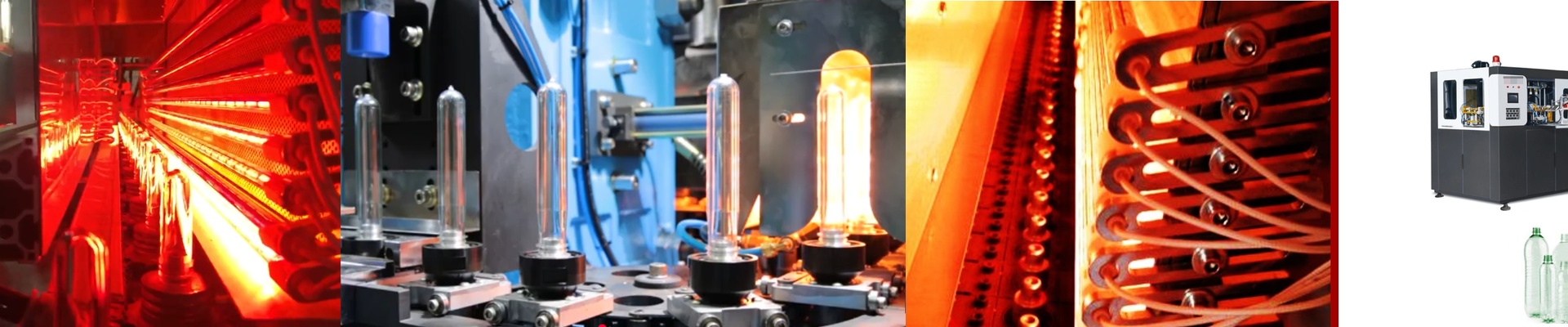
We build these replacement quartz tubes around short-wave infrared, so the energy goes straight into the product, not the air. You get heat-up to operating temperature in 2–3 seconds, and stable output that holds ±2°C across the tube length. That tight spread keeps the baking chamber from developing hot and cold pockets, so every tray sees the same flux. Specs are matched to common snack machines: 120V or 240V, rated power to match the original element, and standard end-cap geometry for secure mounting and proper clearance.
Why this fits a fast cafe snack machine
Speed only matters if quality holds. The quick response of short-wave infrared supports a tight bake window—crisp outside, tender inside—without overshooting. You get more consistent caramelization from the first order to the last, and the machine recovers faster between batches. In practice, that means fewer under-baked snacks, less over-browning, and a steadier pace through the rush. Energy use drops too, because the element spends less time idling and more time delivering heat when you need it.
The details that make the difference
Installation is straightforward, but alignment matters. The tube has to sit parallel to the tray path, and the reflectors need to be clean and undamaged; otherwise, the heat profile drifts. Handle the quartz carefully—skin oils can create hot spots and shorten life. Confirm voltage and connector type before ordering, and match length and mounting pitch to your machine’s spec. Run a few test trays after install, then lock in the thermostat setting that hits your target crust color every time.