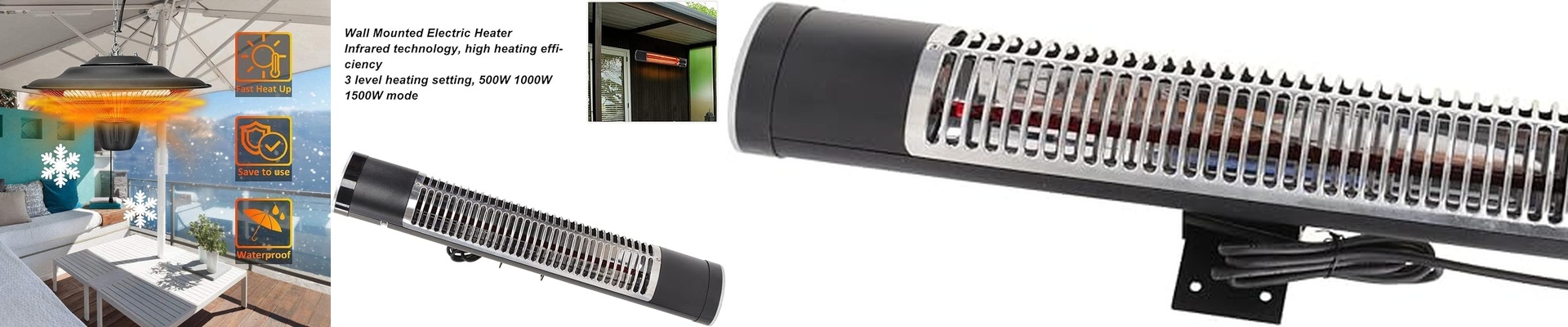
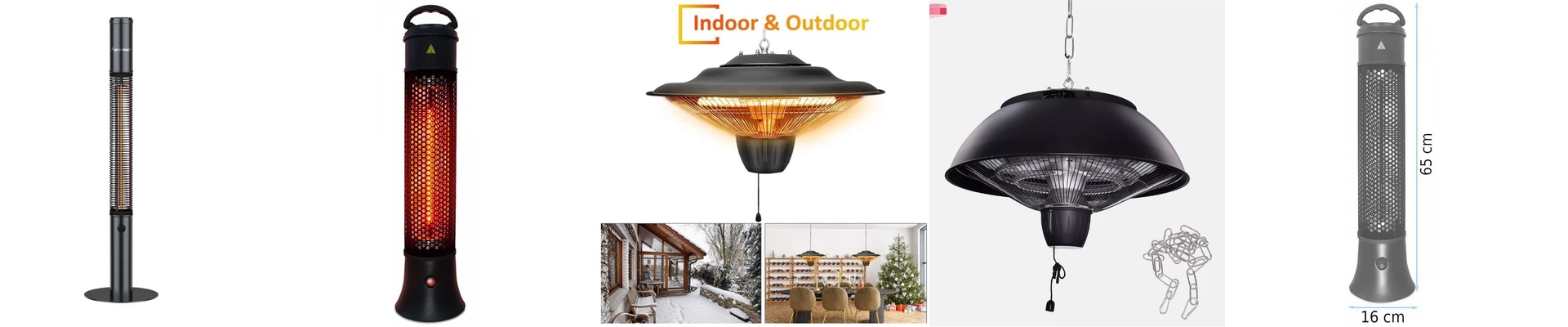
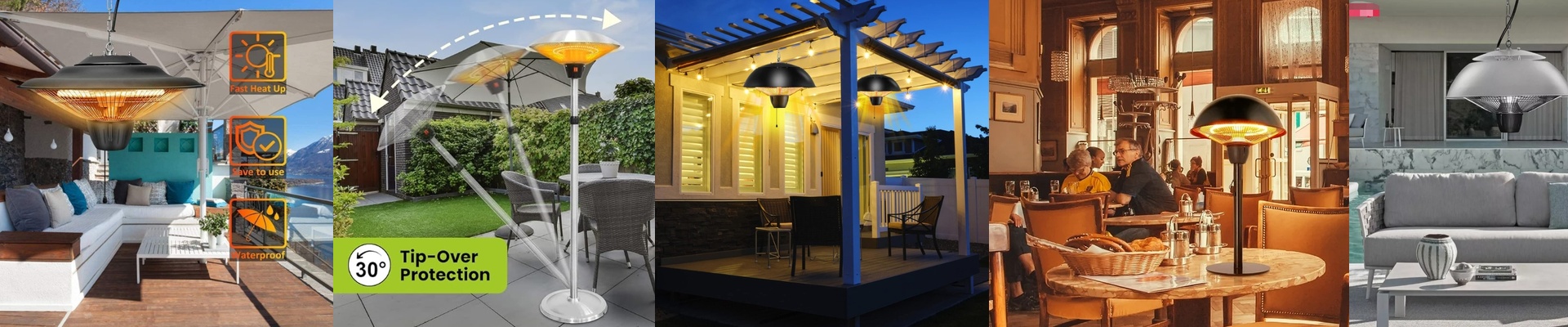
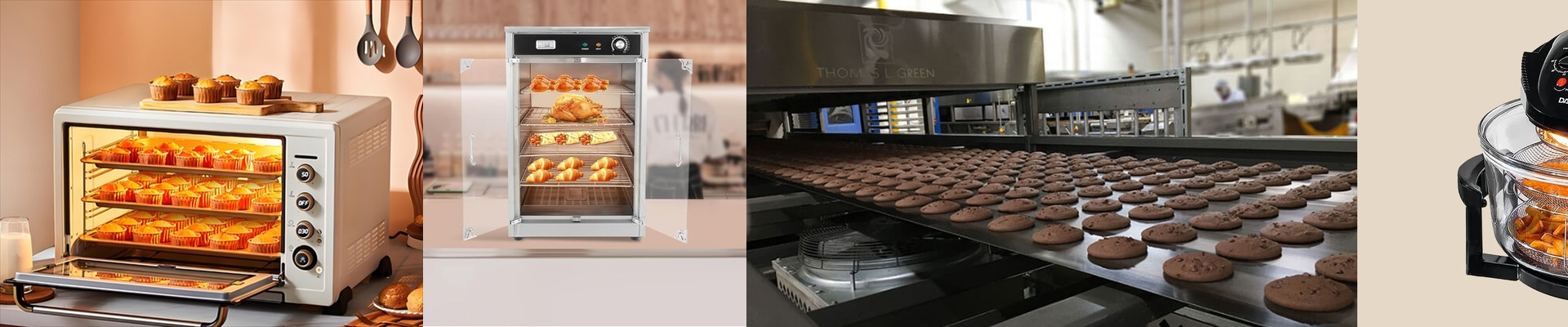
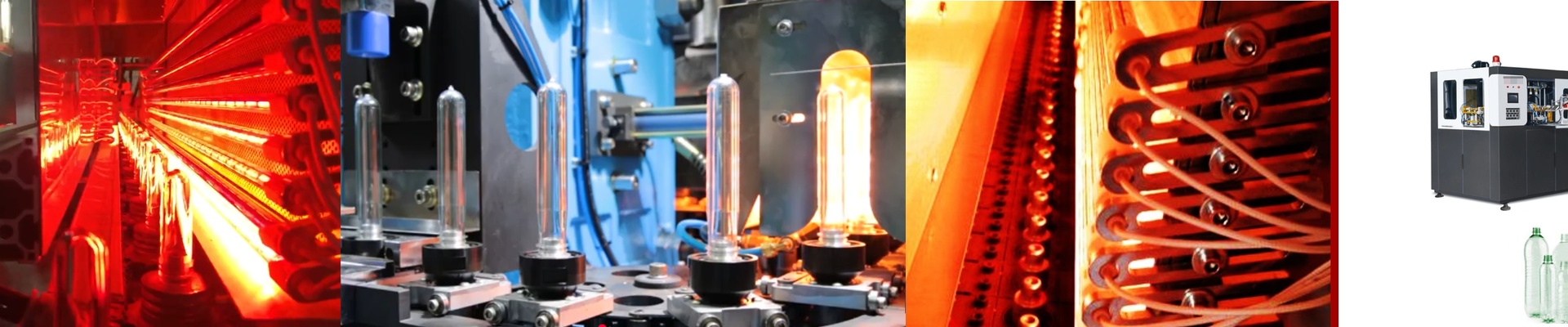
When the rush hits, your buffet line can’t wait around for a slow heat source to catch up. Cold spots are a food safety risk, and overheating dries everything out. The buffet infrared lamp—the kind used for holding and sanitizing—is built to solve that timing and temperature problem right where you need it: at the point of service. What matters, technically Infrared heating is direct. Energy hits surfaces and food without wasting time heating the air around it. That means instant response—full output within seconds—so you can go from idle to holding temperature fast. Precision is the point. Food safety lives in a narrow window, and you don’t want to be chasing it. These lamps lay down even radiant coverage, so the whole warming area gets steady energy—fewer cold edges, no hot peaks. The control stays tight, and the heat goes where you aim it. That’s why it plays well in tight spaces like buffet wells and warming cabinets. Why it works in a busy setup In a busy kitchen, you need performance you can count on, shift after shift. Infrared comes up fast, so you can flip a station on and have it ready before the first plate hits the line. Because the heat is targeted, you hold food at serving temperature without cooking it to death. Texture and flavor stay intact. Faster warm-up also tightens prep windows and cuts idle time, which can help reduce energy use per service. And when you’re using the lamp for sanitizing, consistent radiant heat helps maintain the surface temperature needed to manage microbial risk on utensils and exposed prep areas—without creating harsh hot zones. Here’s what to keep in mind Infrared lamps perform best when the geometry is right: clear line of sight to the target, proper mounting height, and enough air clearance. They’ll integrate with plenty of oven and warming setups, but verify socket type, voltage, and clearances before you install. Plan on shorter lamp life compared to some other heaters. Keep spares on hand, and stick to the cleaning and replacement schedule.