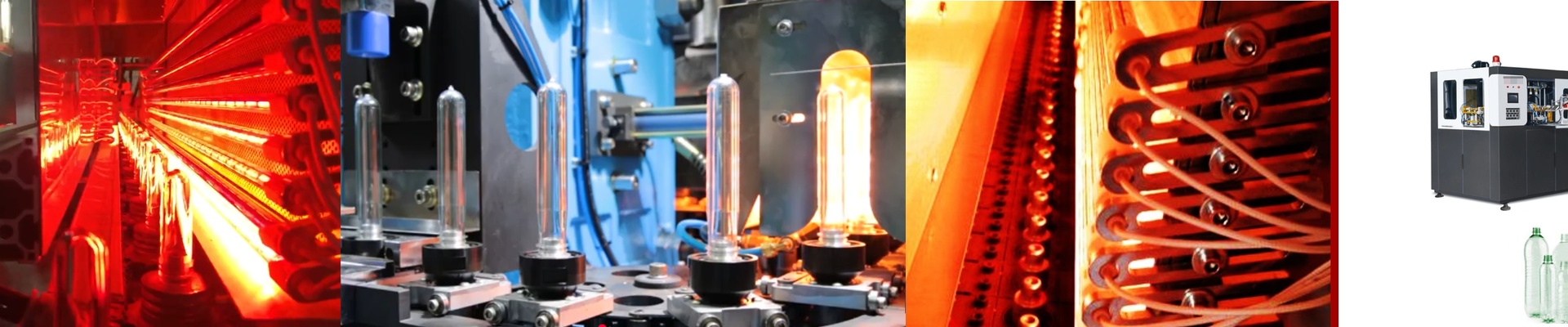
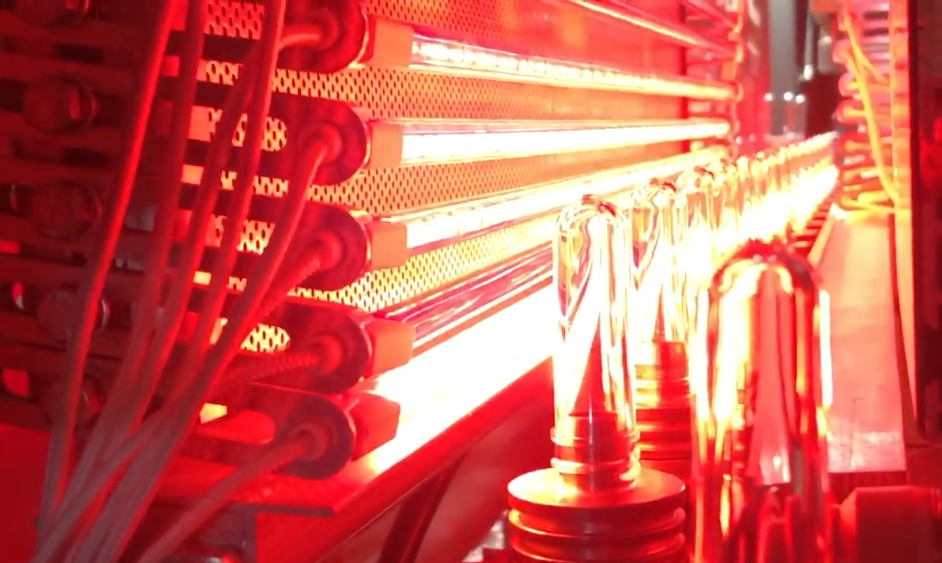
On the blow molding floor, heating drift is the quiet killer of output. A preform that runs cool forces you to crank up the blow pressure. A hot spot, on the other hand, brings on crystallization and haze. When the heating tunnel isn’t doing its job, you spend your day chasing rejects, pressure spikes, and the stops you never planned for. What matters under the hood We run certified Sidel replacement lamps—direct-fit infrared emitters built for Sidel stretch blow molders. Each unit hits the OEM’s core heating specs: rated power, operating voltage, filament geometry, and the spectral output profile. The quartz envelope and halogen/IR filament design keep heat distribution stable and repeatable across the preform neck and body. You get the common fitments—R7s connector types and standard lamp lengths—that live in Sidel heating modules. Tolerances are tight, so the lamp sits right in the reflector and holds the original focal line. Why it plays in the real world When the lamps match the spec, preform heating snaps back to the repeatable profile the machine was tuned around. The heating tunnel stops swinging, wall thickness stays consistent, and cycle-to-cycle variation drops. You tend to see fewer lamp changes across a run, and energy use per bottle falls because the emitter output lines up with the energy density needed. Same machine, same control logic—just the heating stability you need to keep scrap and downtime off the board. The stuff you actually need to watch These lamps are certified for Sidel compatibility, but the result on the floor still depends on the reflector condition, the temperature sensor calibration, and how clean the heating tunnel is. Install with clean contacts, and verify the setpoints after a swap. If you run lamps past their rated life, output drifts and the heating curve goes sideways—so track run hours and plan replacements during scheduled stops.