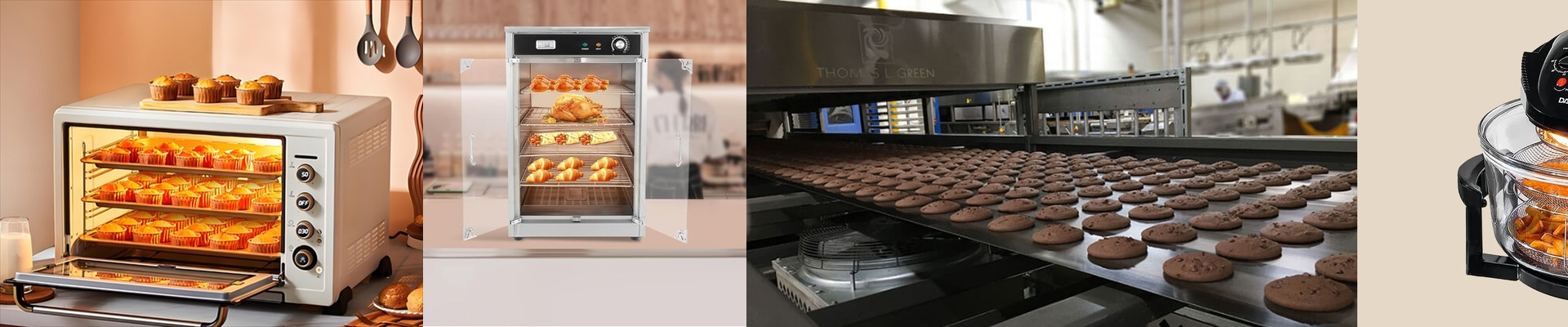
When the doors open and service hits, heat isn’t optional—it has to be there, exactly where you need it, exactly when you need it. In a busy bake line or fry station, a weak or drifting heating element doesn’t just slow the ticket. It changes texture. It kills crust. It turns a rush order into a remake. We built the twin quartz ceramic heater to answer that pressure in real-world conditions. It’s meant for commercial ovens—deck ovens, rotary ovens, convection—and for fryer applications where fast, stable heat is the baseline. The point is straightforward: predictable temperature behavior, quick recovery after door cycles, and results you can count on shift after shift.
What matters under the hood
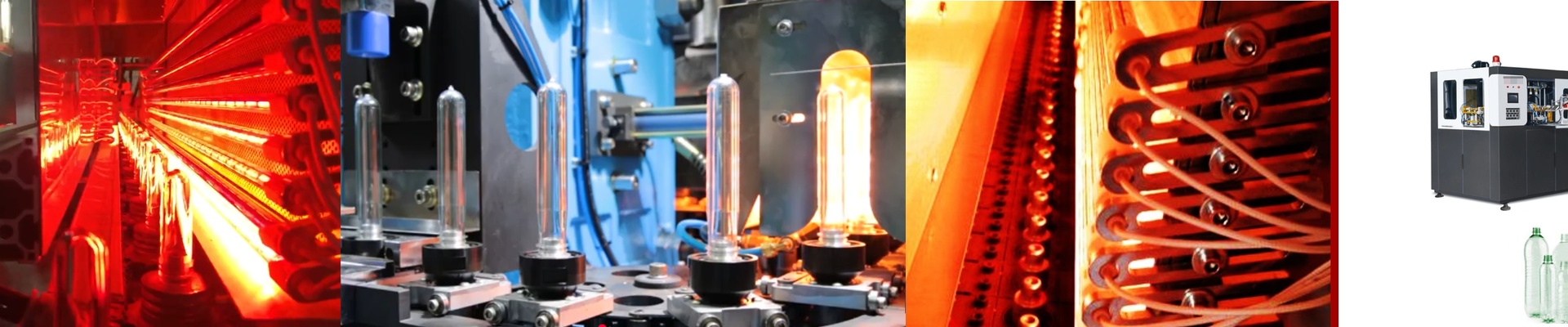
At the core is a twin quartz ceramic build, chosen because it heats fast and holds steady. Quartz ceramic turns electrical input into infrared heat quickly, so the baking chamber or fryer well gets up to operating temperature with less waiting. In practice, that cuts the dead time between flipping the switch and being able to cook. The twin layout makes a real difference because it spreads the heat load. Instead of one hot point, you get a broader, more even thermal profile across the target area. That balance helps reduce hot streaks and cold corners—the usual culprits behind uneven baking or inconsistent frying. Here’s what you can expect from the performance side:
- **Fast heat-up:**Quartz ceramic responds quickly, so the oven or fryer recovers faster after door openings and loading.
- **Stable temperature behavior:**It holds setpoints more consistently than many conventional resistance heaters, which helps prevent overshoot and undershoot.
- **Durable ceramic body:**The ceramic substrate resists thermal stress and stands up to repeated heating and cooling cycles without cracking easily.
- **Consistent infrared output:**The heat penetrates food surfaces evenly, supporting uniform browning and better crust development. These heaters are designed for commercial voltage systems and are built to fit standard mounting patterns on common kitchen equipment. When specifying, match wattage and dimensions to the original oven or fryer design so thermal coupling and airflow stay correct.
Why it holds up in the shops where it matters
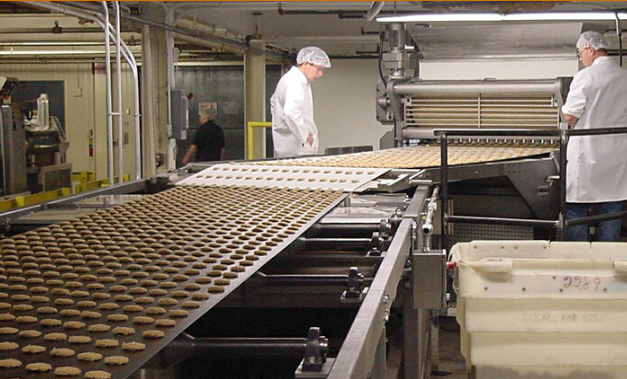
In a deck oven, the stone hearth needs stable, even heat to give you the crust and crumb you’re after. A twin quartz ceramic heater helps keep that balance across the baking chamber, so the first pizza of the shift and the last loaf of the night come out the same. The fast recovery is noticeable when the door keeps opening—temperature drops less, and the bake doesn’t stall. In a rotary oven, product moves through a controlled environment, and temperature stability directly affects caramelization, color, and moisture. The twin layout smooths out the zones, cutting down on the kind of unevenness that shows up as inconsistent color across the same tray. In convection ovens, air movement is strong, but it still needs a dependable heat source to keep the air at setpoint. A responsive heater keeps the thermostat from chasing spikes and dips, so air temperature stays steady. That translates into more repeatable bake times and fewer “just one more minute” corrections. For fryers, recovery is everything. When cold product hits the oil, the temperature has to come back fast to keep the fry window tight. Twin quartz ceramic elements bring the oil back to target quickly, which protects texture and reduces the temptation to overcook to make up for slow recovery. The payoff shows up in day-to-day work:
- Faster preheat and recoverykeeps throughput up during peak hours.
- More consistent temperaturemeans fewer rejects and more repeatable quality.
- Better energy disciplinecomes from shorter preheat and less overshoot—energy isn’t wasted waiting or compensating.
What to watch for
Installation is straightforward on compatible equipment, but details still matter. Mount the ceramic heater securely so it aligns with the intended heat path, and make electrical connections to the correct terminals with proper strain relief. If the equipment is older, check that the thermostat and control profile are matched to the responsiveness of a quartz ceramic element; otherwise, you can get more frequent cycling than you want. One practical limitation: quartz ceramic elements deliver heat fast, which is great for performance, but that also makes them sensitive to rapid control changes. Set the thermostat sensibly, avoid unnecessary short-cycling, and let the equipment’s thermal mass do its job. In very dry environments, keep an eye on dust and grease near the element and follow the cleaning schedule in the manual. If you’re replacing an existing heater, confirm the wattage, dimensions, and mounting method match the original spec. Mismatched wattage can change airflow patterns and temperature distribution, and that shows up as uneven cooking—even if the element itself is fine. When your promise is heat, the equipment underneath has to deliver. A twin quartz ceramic heater is a practical upgrade for commercial ovens and fryers when you need fast response, stable temperature, and reliability that can take the heat shift after shift.