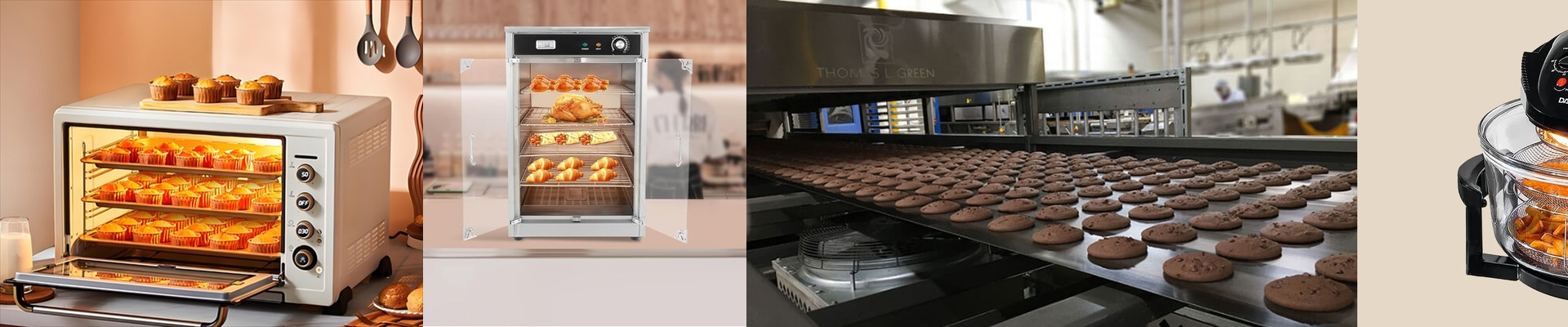
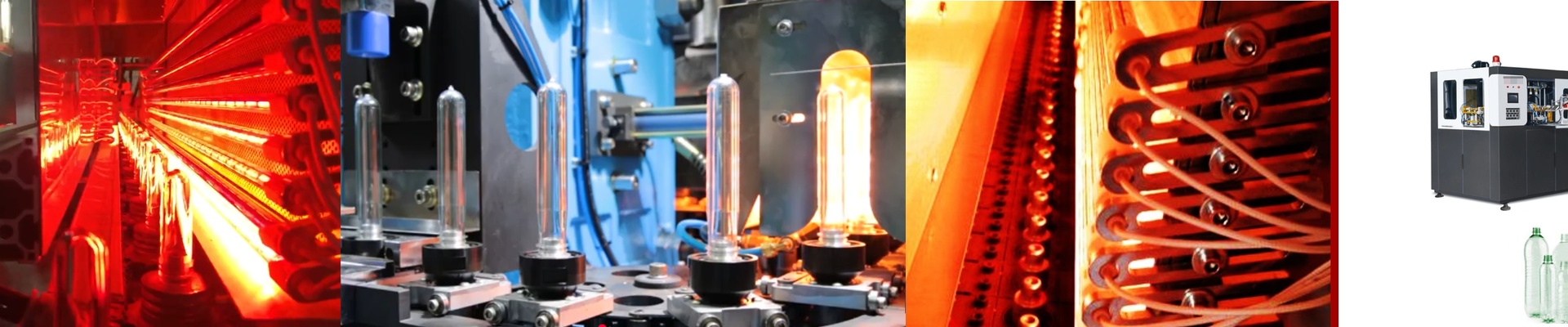
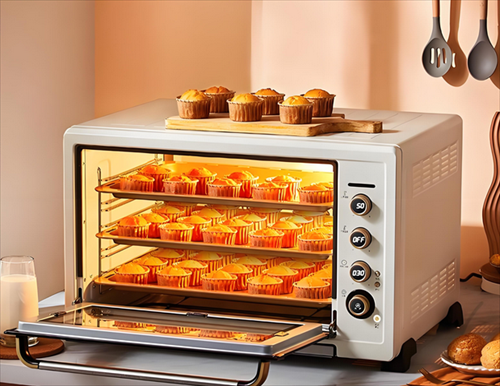
When the tickets are stacking up and the line won’t quit, an oven that hesitates doesn’t just burn minutes—it burns consistency. In a busy commercial kitchen, uneven heat gives you pale crust on one side and charred edges on the other. One delayed bake throws off prep, proofing, and service, and the whole rhythm goes sideways. What matters under the hood We built this commercial oven around repeatable heat delivery, plain and simple. The heating system uses high-frequency infrared elements that nail target temperature fast, so you’re not wasting time on a slow warm-up when the morning rush hits. Inside, the baking chamber is laid out to keep airflow even and temperature stable, so heat spreads uniformly across every pan and every stone hearth. The thermostat response is tight, holding set points within a narrow margin. That’s how you get the same caramelization and crumb structure, bake after bake. On the control side, the interface keeps it straightforward—set the program, get back to work. Why it holds up in production This isn’t a showpiece; it’s a workhorse. Rapid heat recovery means you can load, bake, and turn trays without waiting around for the chamber to re-stabilize. In practice, that translates to faster cycles when the rush hits, more consistent product, and fewer batches that need rework. Energy use per bake cycle stays sensible because the element output matches the load size. You’re not running at peak burn when you’re only half full. Inside, the layout supports real workflow—pans, racks, and deck configurations that line up with how you actually run the board. What to watch for Because the elements deliver heat quickly, the oven draws serious power on startup and during heavy use. Plan your electrical supply and circuit load accordingly, and double-check voltage and outlet setup in your space. In very dry environments, keep the baking chamber clean and keep an eye on moisture. Infrared is efficient, but it performs best when the heat transfer surfaces stay clear and unobstructed.