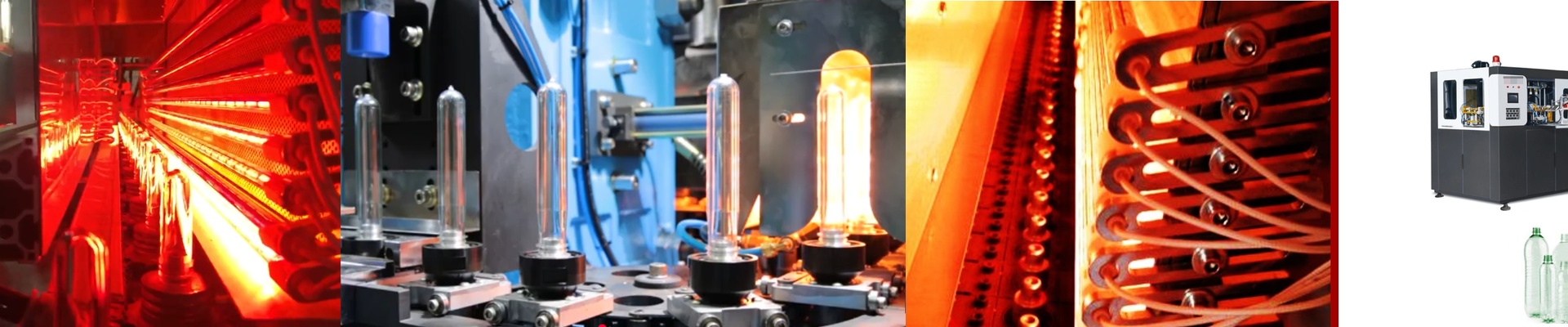
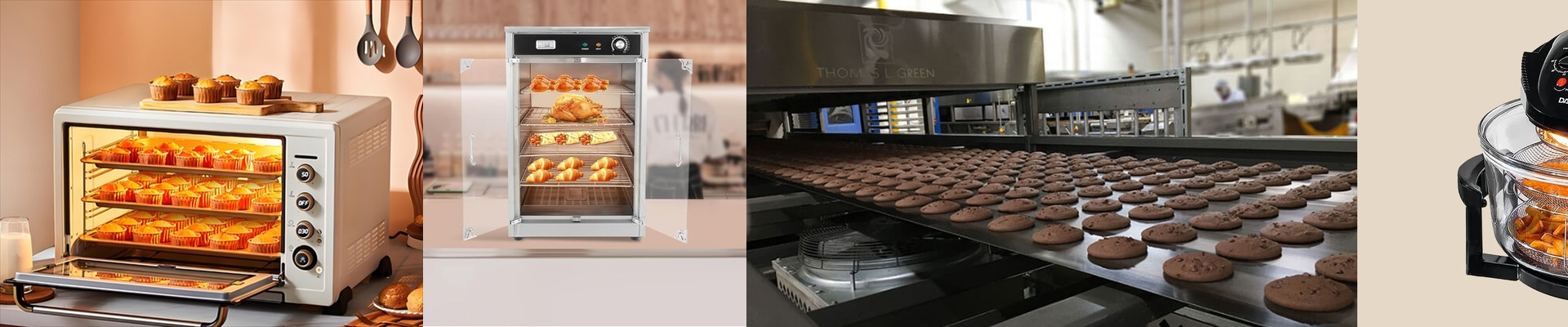
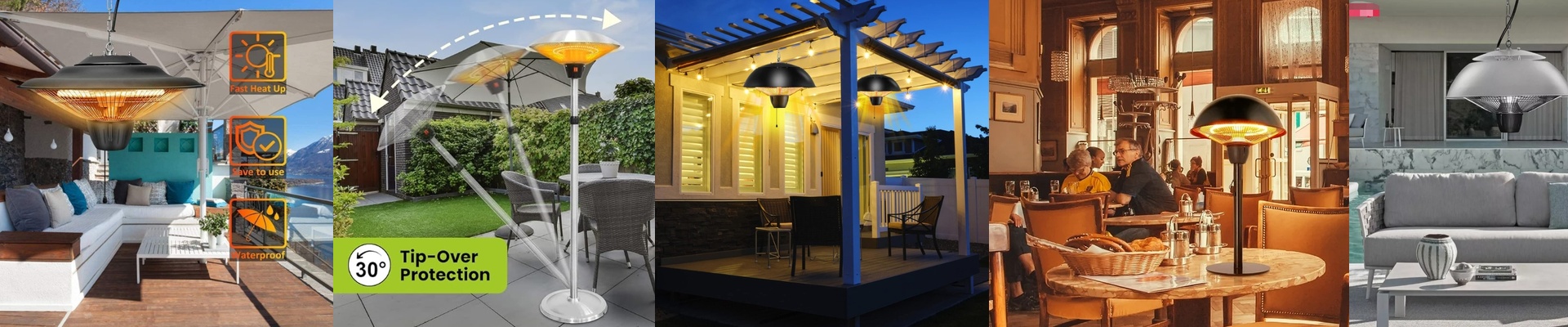
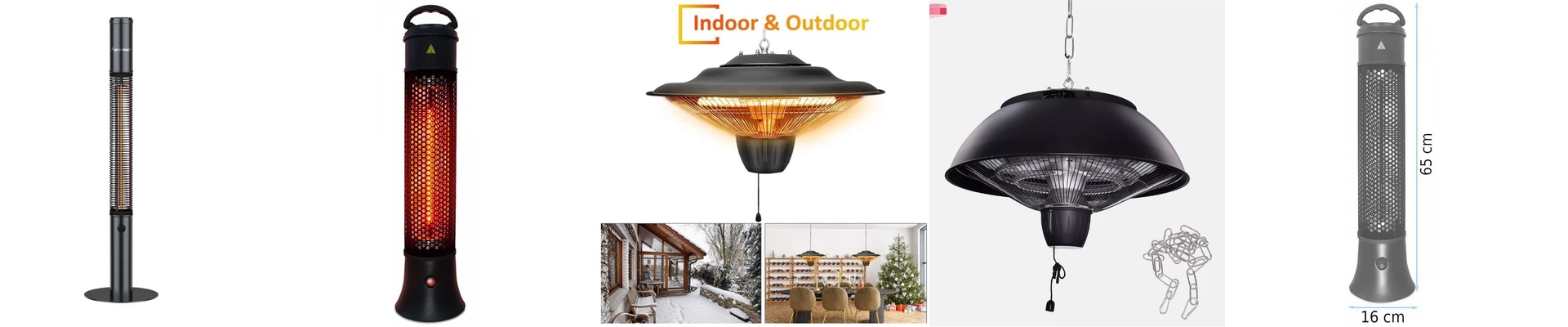

Let’s talk about this heater. It was built for people who need heat they can count on, not a roll of the dice. We designed it for the places where precision actually matters—like lab testing and industrial process control. Because when you’re running tests, consistency isn’t a nice-to-have. It’s everything. This isn’t just another lamp. It’s a focused tool, built to deliver stable, high-density infrared energy exactly when you need it.
Power, voltage, and the nitty-gritty
At the heart of it is serious output: 2500W, driven by a 400V supply. That voltage-to-power ratio is what gives you rapid thermal response, so the system hits operating temperature fast. The tube is 300mm long, and that length wasn’t chosen by accident. It gives you a concentrated heat footprint without taking up a ton of space in your equipment. That tight focus means you can control the heated zone precisely, which is exactly what you need when you’re testing materials or running controlled processes. Here’s the catch: that kind of power generates real heat. You’ll need a cooling system that can keep up—plan your airflow or water-cooling loop accordingly.
What it’s made of, and why it matters
We went with a halogen-filled quartz tube because it can take the heat—literally. The quartz envelope handles the shock of rapid cycling, and the halogen gas supports the filament, which helps keep output consistent and extends operational life. The shortwave infrared coating directs the energy where you need it, so you’re not wasting heat. For installation, we spec’d R7s connectors. They’re proven, tough, and designed for high-temperature environments. That means you can wire this in as a drop-in replacement, without having to re-engineer your fixture.
The payoff: solving actual engineering problems
In our precision science labs and test chambers, this configuration earns its keep, day after day. It holds a stable thermal profile, which is exactly what you need to validate materials and processes. And for you, that means fewer variables messing up your results. High power density, a compact size, and reliable connections add up to faster cycle times, easier integration, and less downtime. The ERP standard isn’t just a label. It’s a spec for consistent performance—and we built this to meet it, so you can trust the numbers coming off your equipment.