
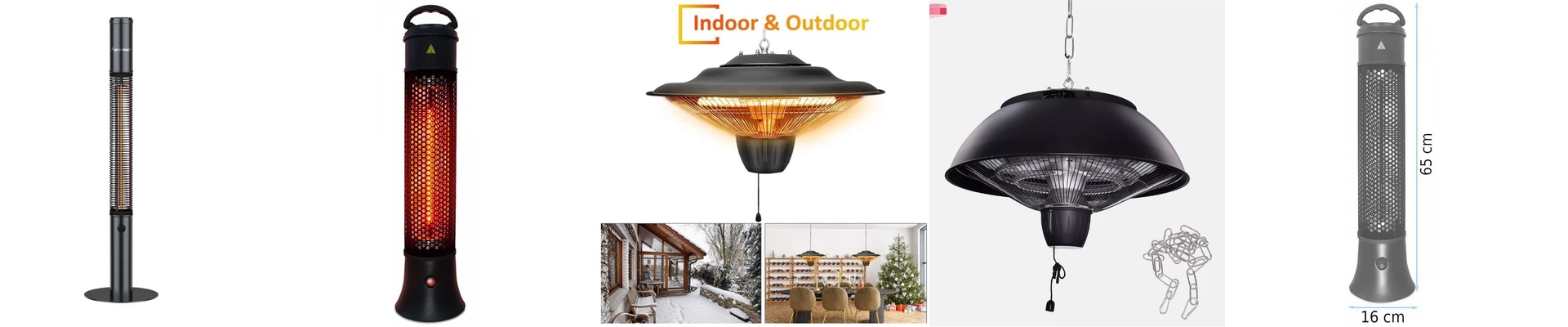


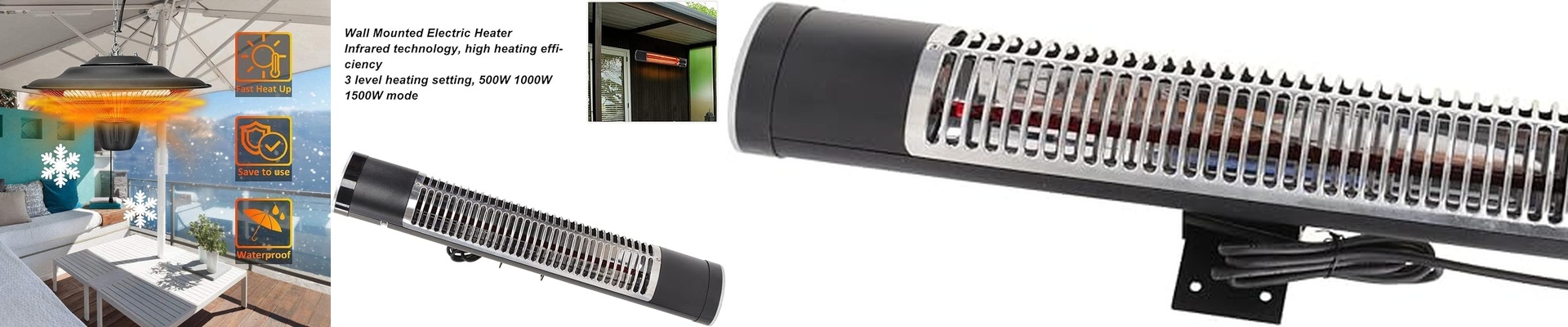
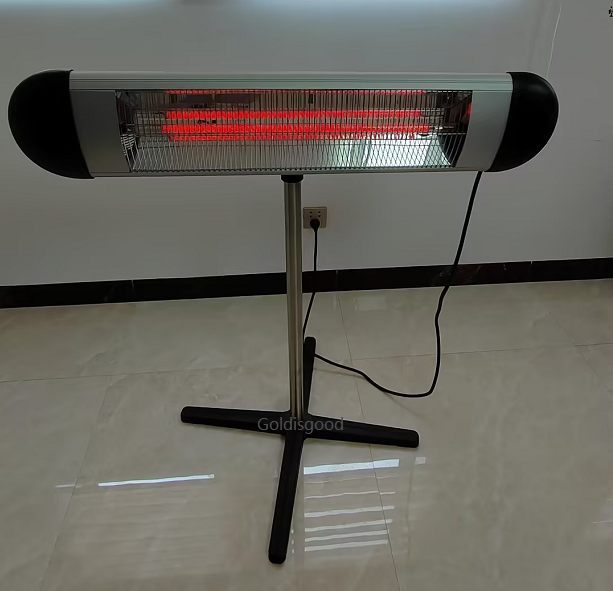
A warm bathroom shouldn’t feel like a win you have to chase. It should just happen—especially in small, tight, or drafty rooms. The issue is straightforward: not enough heat and the floor stays cold; too much and the bills spike, the air gets dry, and the heater starts hunting on and off. Match the infrared heating lamp to the specific part of the bathroom you’re trying to fix, and you get comfort you can rely on instead of energy you’re throwing away.
What matters, technically
Infrared bathroom heaters work because they warm people and surfaces directly, not the air. That’s why you feel the heat faster, and why you don’t lose all the warmth the moment the door opens. The real decision is wattage versus room size. For compact powder rooms (about 3–5 m²), a 150–250 W infrared lamp is usually enough to pull the chill off surfaces and keep the mirror from fogging. Medium family bathrooms (5–8 m²) do better with 300–500 W to spread coverage across walls and floors. Large or poorly insulated bathrooms (8–12 m²) are best handled by 600–900 W, and sometimes that means pairing it with a secondary heater so the warmth stays steady. Spec out a unit built for damp spots: an IP rating for moisture resistance, a tough quartz or carbon fiber element, and a guard that stays cool to the touch. A thermostat gives you real control, and tip-over protection is the kind of safety detail you don’t miss until you need it.
Why infrared fits bathrooms
Bathrooms come down to two things: speed and stability. Infrared hits fast, so you’re not standing there shivering while the room slowly decides to warm up. Because it targets surfaces, it helps smooth out that shock when you step from tile to carpet. And when you size the wattage to the square footage, you avoid oversizing. That means lower running costs, fewer temperature swings, and fewer on-off cycles that can beat up components over time.
The details that make it work
Installation is where this either sings or struggles. Mount the heater in a dry, sheltered spot—out of direct spray—and follow the wiring rules for your voltage and circuit. Most infrared lamps need a dedicated outlet or hardwiring, so check your home’s capacity and local codes before you start. Keep in mind, infrared delivers focused warmth—great for people, not the best at heating a whole volume of air. In very large bathrooms, pairing a ceiling-mounted infrared lamp with a quiet, low-profile electric heater can give you even comfort without pushing one unit past its practical limit.