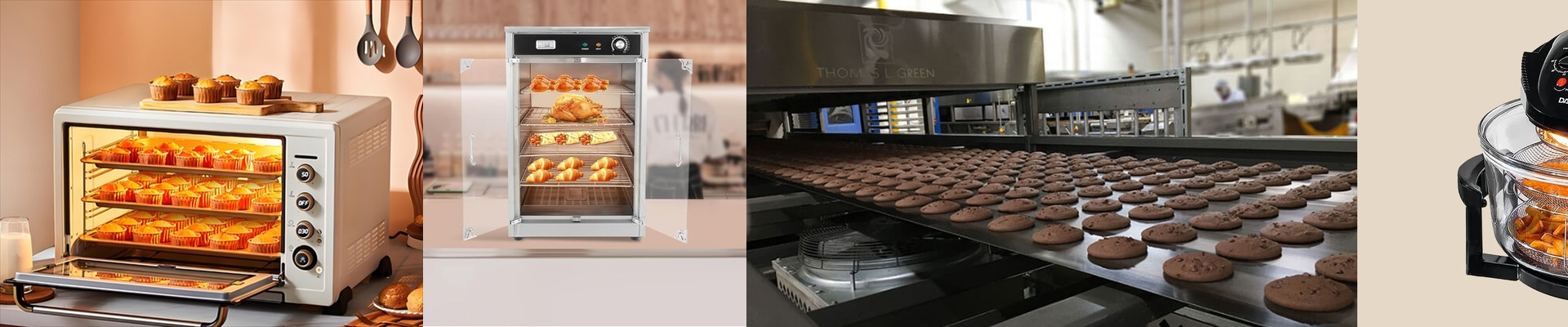
During a rush, the deck oven isn’t just background heat. It’s the last checkpoint before a pizza or loaf leaves your line. If the heating element can’t hold steady, you’re staring down uneven caramelization, soggy centers, and bake times that drift all over the place. Worse, your crew starts second-guessing the dial instead of running the board. What matters under the hood We design the heating tube around repeatable thermal behavior. In a deck oven, the element has to deliver stable, even radiant heat to the stone hearth—not just a high peak temperature. The goal is tight control, holding setpoints within ±2°C, and a controlled heat profile across the deck. That gives you a baking chamber where the stone stays uniformly hot, so the crust sets fast and the toppings cook in step. Quick heat-up is nice, but repeatable heat retention is what protects quality hour after hour. Here’s why that predictability matters. Food safety and consistency start with heat you can count on. When the deck recovers fast after the door opens, you keep the bake cycle on time, which cuts down on underbaked dough and temperature drift. Uniform heat distribution means fewer hot and cold spots, so every tray comes off with the same finish. That translates into fewer reworks, tighter pass-through times, and less risk of temperature-related noncompliance. You also see fewer energy spikes—stable cycling keeps consumption predictable per bake. On install, it’s straightforward, but the oven’s performance hinges on proper clearance and solid mounting to keep airflow and contact right. Match the rated voltage and connector type to your equipment, then confirm thermostat and sensor calibration after the swap. Plan on routine cleaning and inspection, too. Grease and carbon buildup will distort heat transfer and shorten service life, especially on high-volume lines.