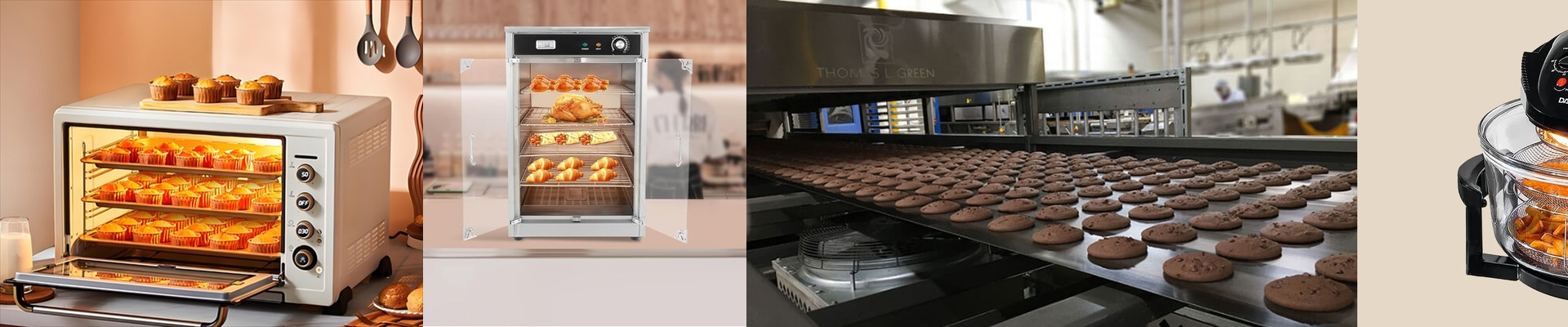
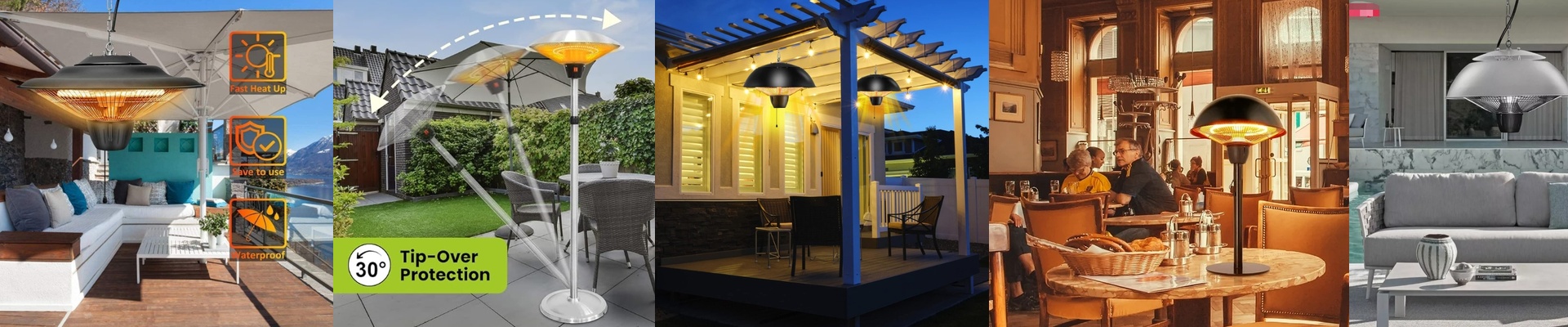
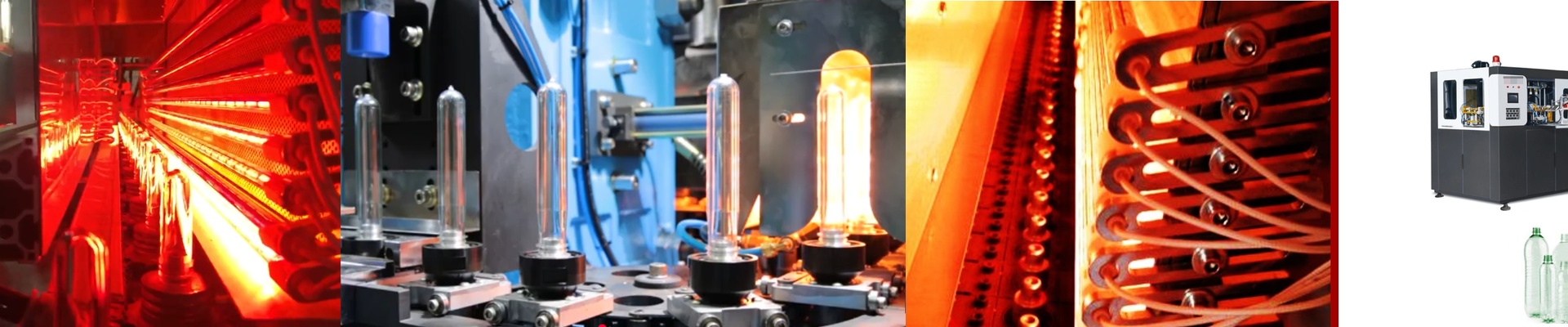
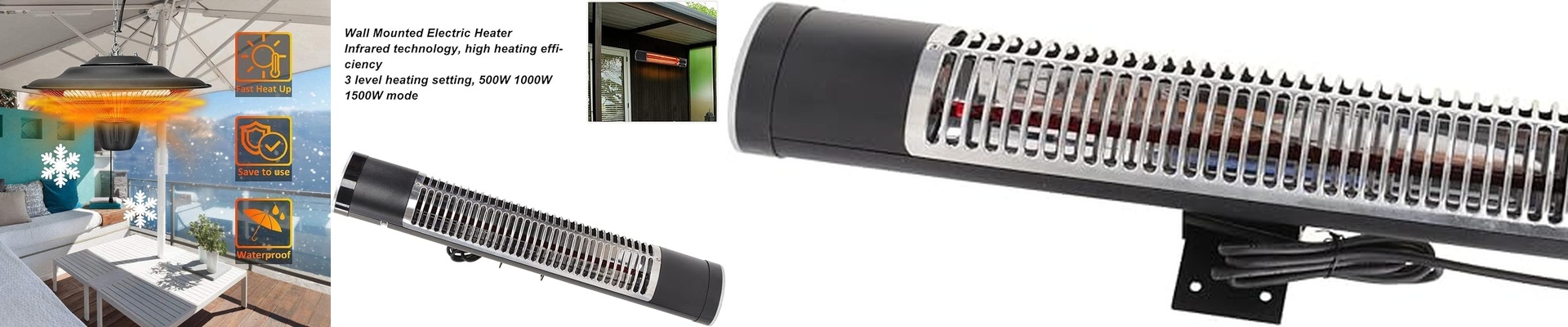
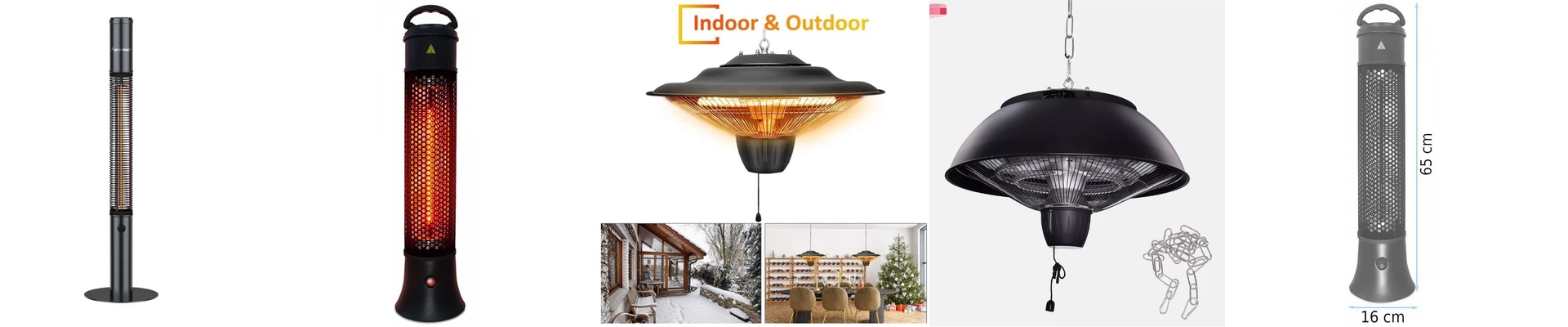
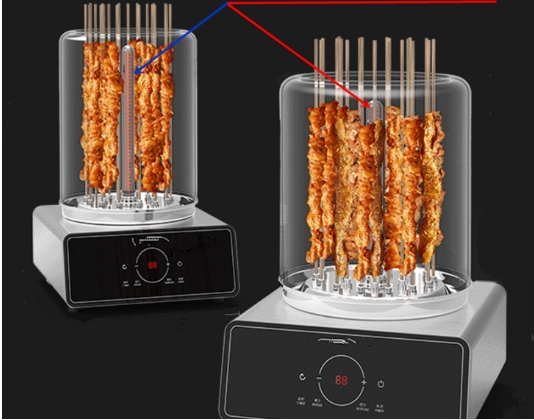
When the rush hits, a deck oven that takes forever to come up to temp is costing you orders. So is uneven heat that leaves one side pale and the other scorched. We built our quartz infrared bulbs to knock out both bottlenecks, turning your oven into a responsive, repeatable workhorse. The core is a quartz envelope around a high-output infrared filament. It throws short-wave energy that penetrates dough and toppings fast, driving out moisture and kicking off caramelization without drying out the surface. In real life, the oven hits setpoint in seconds, not minutes, and holds it with tight thermal stability. You get consistent crust color across the entire stone hearth, and you can shorten bake cycles without losing texture. In rotary and convection ovens, the bulbs snap to the thermostat input, cutting preheat and smoothing out the swings that create hot spots. Here is where the kitchen feels the difference. Preheat time drops, so you get the first bake out sooner. During service, the oven recovers fast after the door opens, keeping the deck at the right temperature for every pizza and every pan of bread. That means more covers per hour, fewer rejects, and a calmer line. Energy use per bake cycle falls because you aren’t idling a heavy element waiting for demand. And with a rated life in the thousands of hours, replacement frequency drops, so maintenance stays predictable. Installation is straightforward, but plan for clearance and mounting orientation. Quartz infrared bulbs radiate intense heat, so keep them clear of proofing areas and make sure the socket and wiring are rated for the wattage and temperature. Match the voltage and connector type to your oven model, and confirm the reflector pattern lines up with your baking chamber geometry. Expect a sharp, focused heat zone—great for speed, but you need proper spacing to avoid hot edges. Set it right, and the oven runs like it should: fast, steady, and in control.