Getting Your Sidel Matrix Heaters Back in Sync
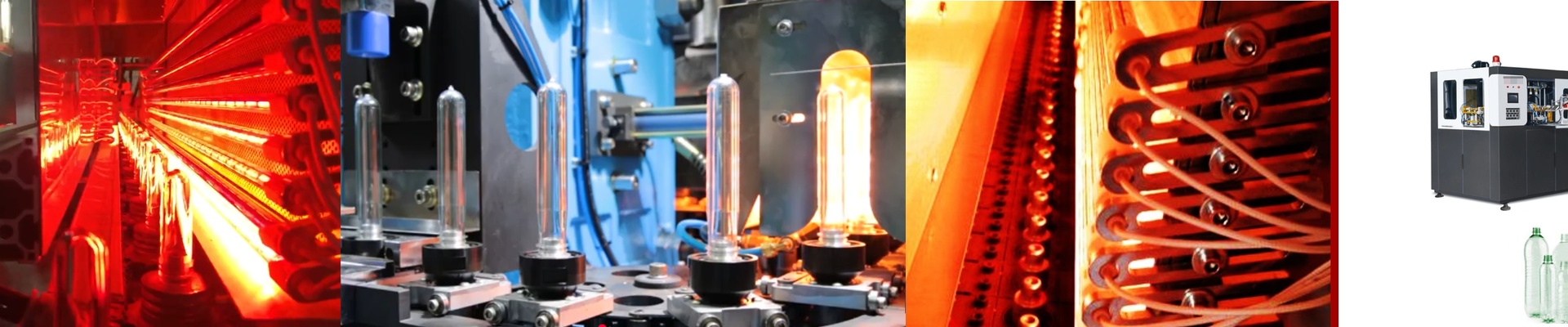
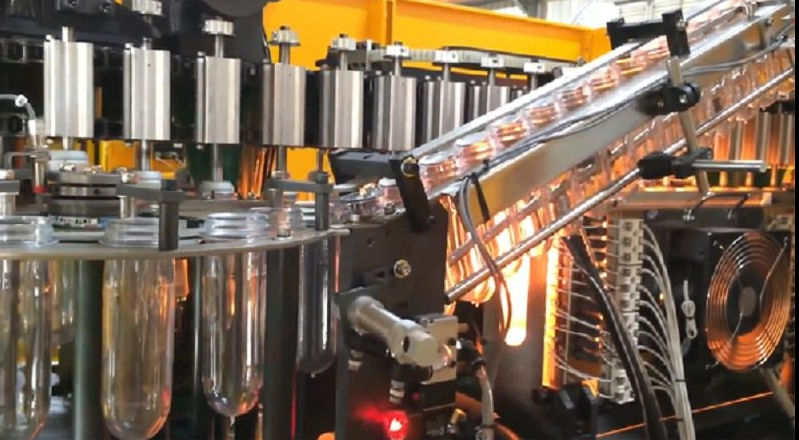
Ever swapped out some OEM infrared lamps in a Sidel Matrix oven and noticed things just… felt off? You start seeing thin spots in the plastic or that annoying pearlescent shimmer on your PET bottles. It happens because the temperature curve shifted. Even a tiny tweak in wattage or spectral output throws the whole heating process out of whack. We fix this by making sure our lamps are a dead ringer for the original factory specs. No guessing. No “close enough.” The secret is in the heat. Most people think it’s just about the total wattage. It isn’t. It’s really about heat density and wavelength. We spend our time mapping out voltage and wattage ratios so the radiant flux hits exactly where the OEM footprint expects it. When we build a replacement for Sidel, we obsess over the filament length and diameter. Why? Because that’s the only way to make sure the heat hits the preform at the same speed and intensity as the day the machine left the factory. The nitty-gritty stuff We use high-purity quartz glass and specific halogen fills to keep the filament stable. Then there are the connectors—whether you’re using R7s or specialized pins—which we build to handle high current without melting your sockets. It all comes down to the electrical resistance of the tungsten. Now, a quick tip: high-wattage tubes are great for the rapid heat-up you need for high-speed blowing, but they run hot.**Check your cooling fans.**If they’re clogged with dust, these lamps will bake your oven reflectors and burn out way faster than they should. Keep the air moving. Plug and play The best part? You don’t have to mess with your PLC settings or rewire the oven. We match the physical dimensions perfectly so the lamp sits snug in the holder. That’s important because if it rattles, the filament snaps. Just swap the lamp, run your usual heating profile, and you’re back in business. No long afternoons spent recalibrating the oven. Just a bottle that looks the way it’s supposed to.