Commercial property owners are under real pressure to cut total energy draw without making occupants miserable. Come winter, drafty common areas and cold lobbies bring the complaints, and conventional forced-air systems spend a lot of energy just dumping heat up into the ceiling. The bill shows up every month, the carbon footprint grows, and ESG performance takes a hit that investors spot.
What matters on the technical side
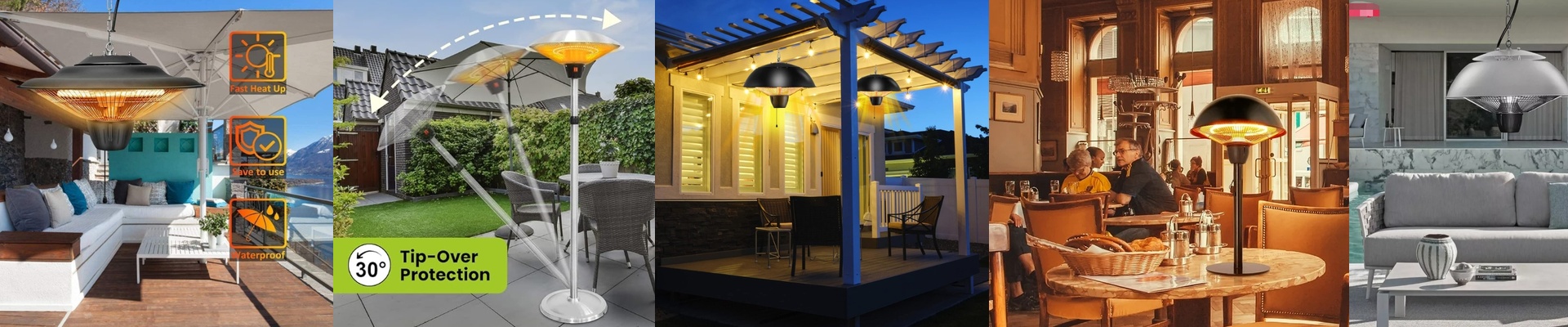
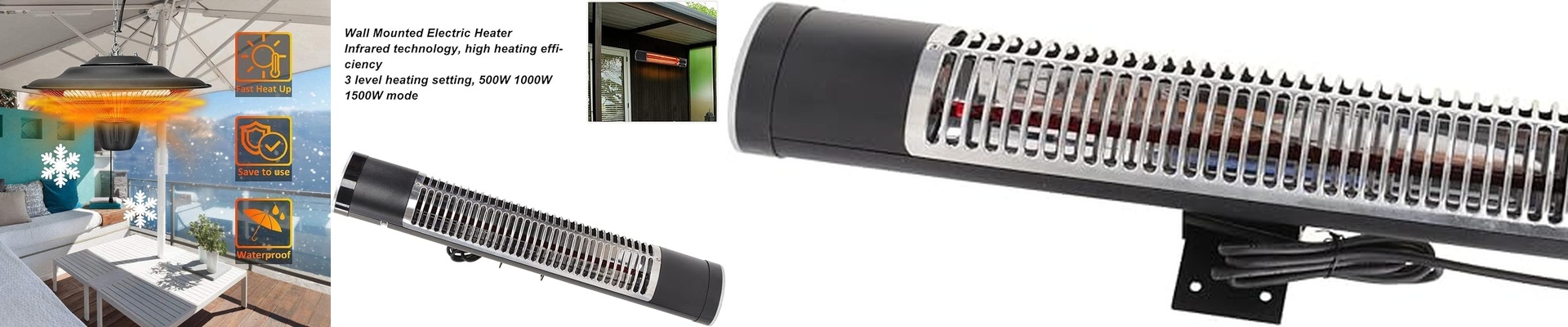
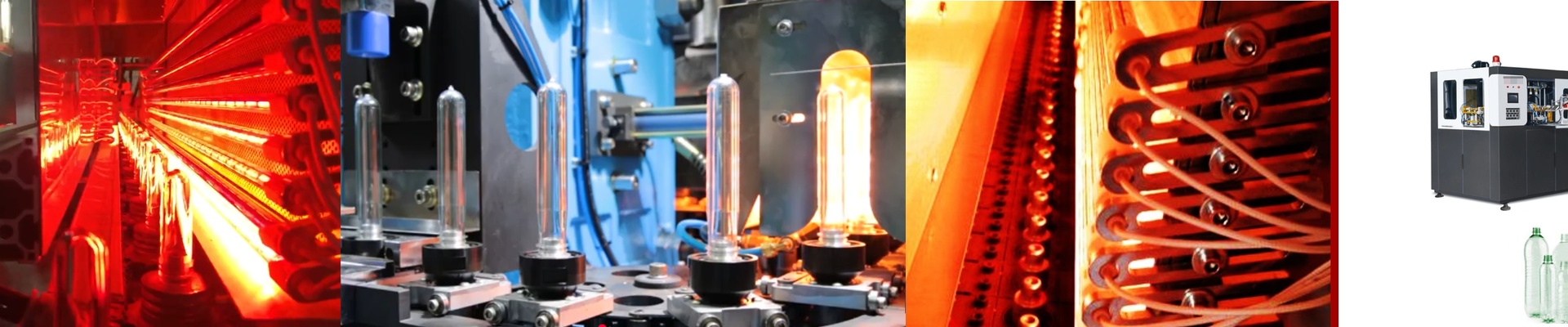
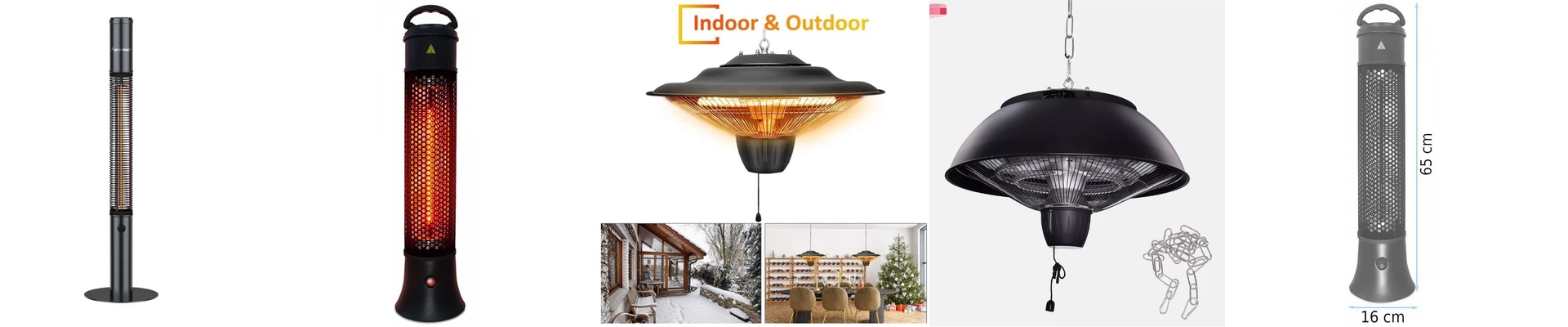
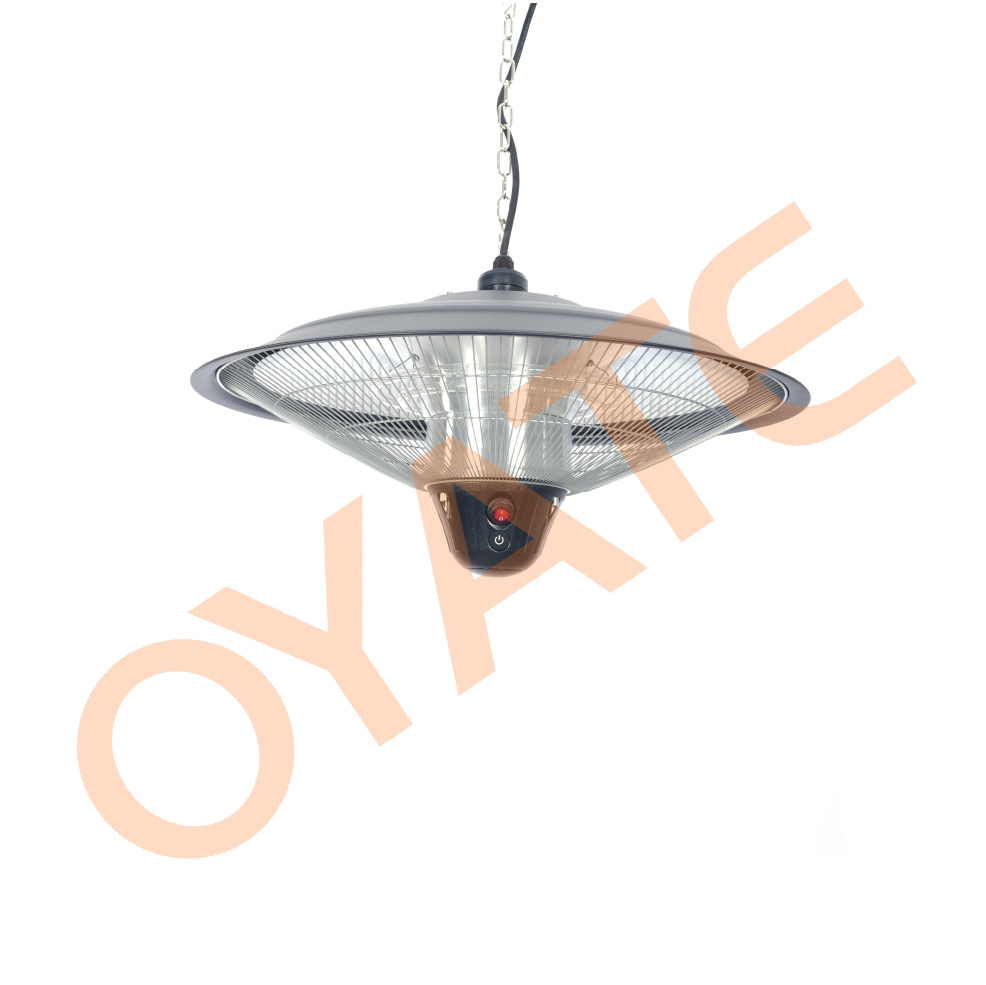
Infrared heaters work the way the sun does—direct radiant heat that warms people, furniture, and surfaces first. In practice, that means less heat lost to stratification and less energy wasted heating empty air. We lean on high-efficiency models with quartz tube elements for short-wave infrared warmth, giving fast response and tight control. On the job, the specs that matter are low-watt density per square foot, 120V or 240V options to match your circuits, and built-in thermostats that keep comfort steady without overshoot. For outdoor entries and covered walkways, look for IP-rated housings and a mounting footprint that stays stable when wind and weather hit.
Why this fits commercial real estate
For commercial buildings, infrared heating supports sustainability goals by putting heat where it’s needed, when it’s needed. People feel the warmth almost immediately, so you can hold setpoints more conservatively without hearing about cold spots. Energy use drops because you’re not cycling huge volumes of air up and down, and maintenance gets simpler with fewer moving parts. Over time, lower operating costs and documented energy savings help improve NOI, and cleaner energy reporting strengthens ESG scores—both of which support asset value.
The practical details
Infrared heat is directional, so placement is everything. Plan for even coverage by matching the beam spread to the space, and watch for obstructions that throw shadows. In very humid indoor pools or open-air spots, confirm the IP rating matches the exposure, and use GFCI protection where code calls for it. Most installs are straightforward, but you get the best performance when the layout follows the radiant pattern—not the old ductwork.