Stop Letting Your Patio Go to Waste This Winter
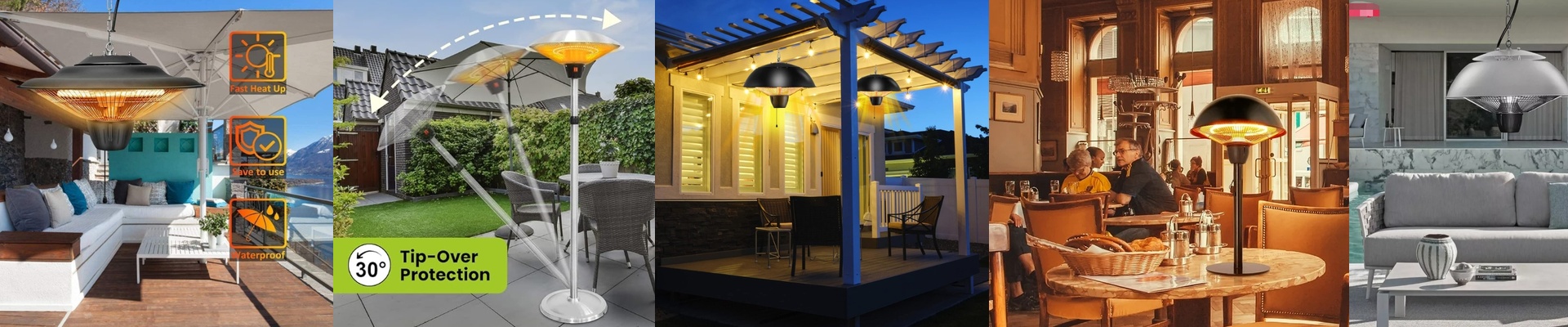
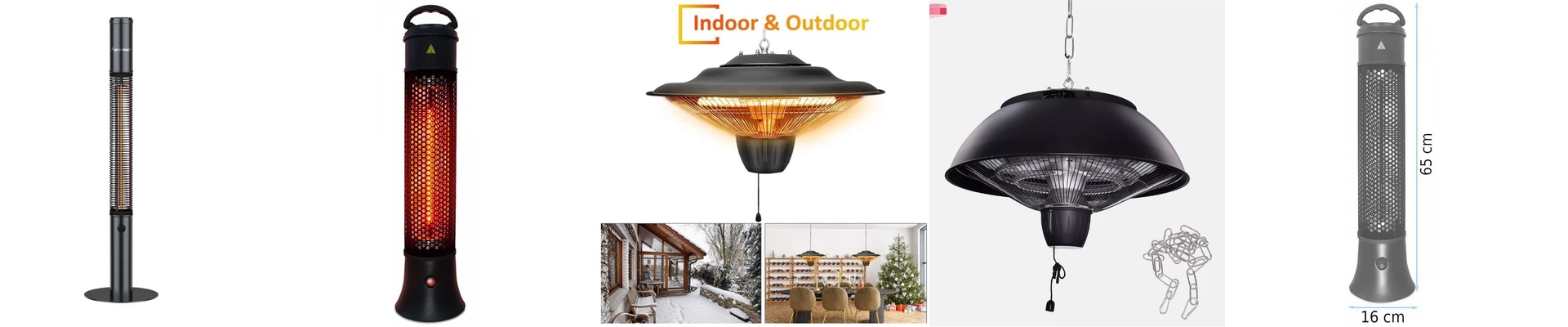
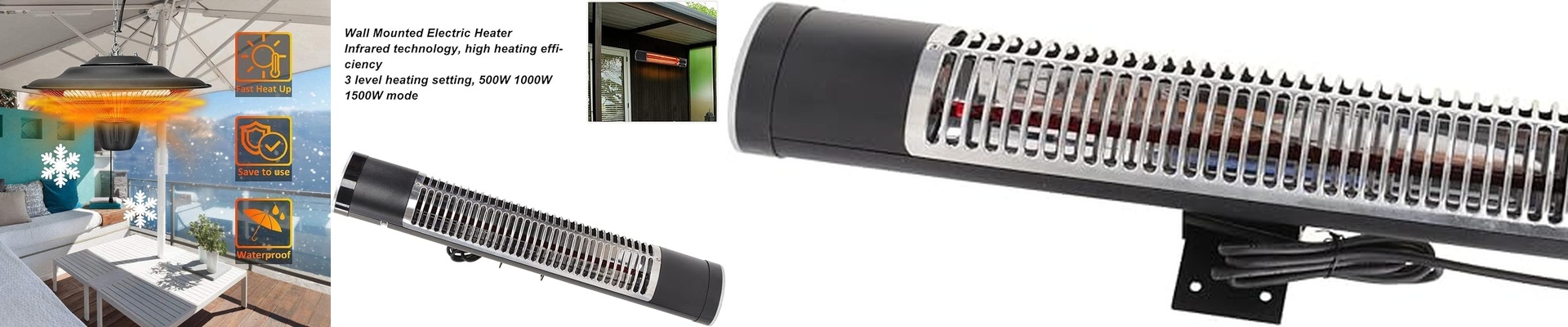
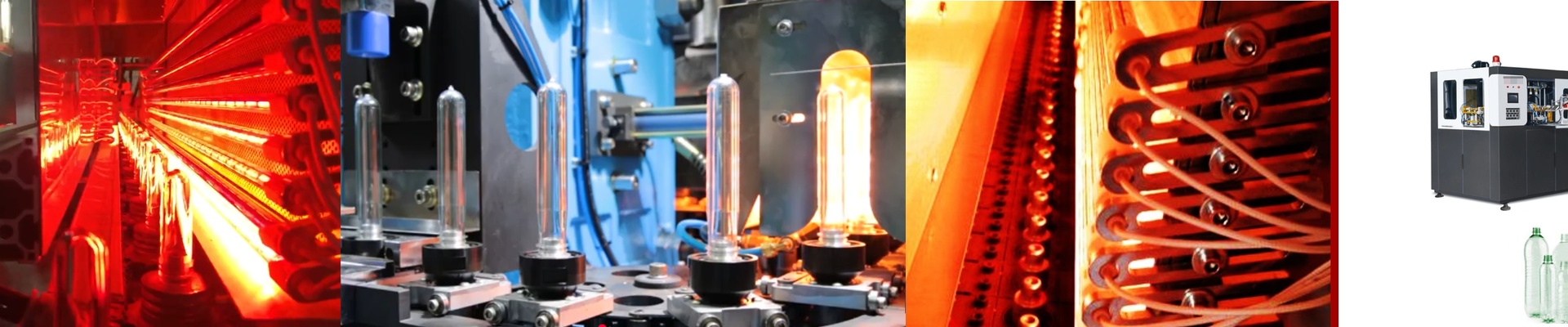
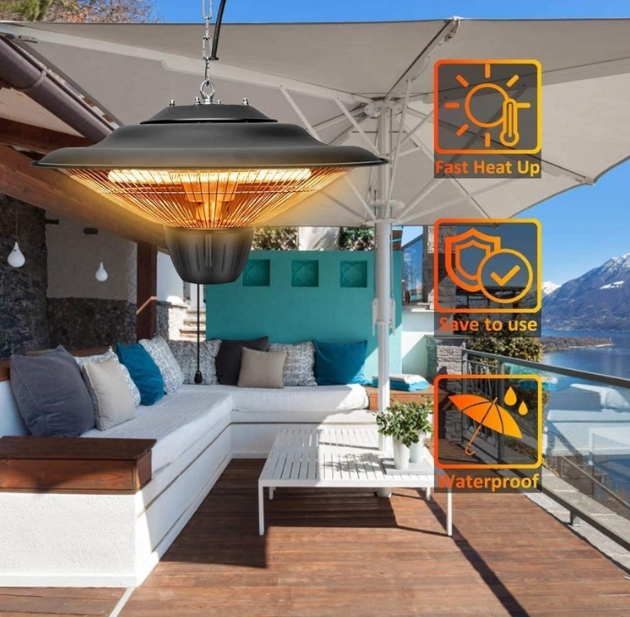
It’s a frustrating sight: a beautiful outdoor dining area sitting completely empty just because the temperature dropped. Most people try to fix this with standard convection heaters, but here’s the problem—they try to heat the air. In an open-air setting, the wind just carries that warmth away before your guests even feel it. We do things differently. We use shortwave infrared technology. Instead of fighting the wind to warm up the air, these units beam heat directly onto your guests and their furniture. It’s like stepping into a patch of sunlight on a crisp day. Built for the elements You can’t have gear that quits the moment a snowstorm hits. That’s why we put everything in waterproof, IP-rated housings. You can mount them right where you need them, rain or shine, without worrying about a short circuit ruining your night. We also lean toward higher wattage. Why? Because a freezing winter night acts like a giant heat sink, sucking the warmth out of everything. You need a punchy, concentrated throw of heat to actually make a dent in the cold. The secret sauce: Shortwave radiation We use specially coated quartz tubes to change how the heat is emitted. This “shortwave” heat penetrates deeper into the skin and doesn’t care if it’s windy outside. Your guests feel the warmth the second they sit down. And we kept the installation simple. These are designed as drop-in replacements for standard brackets, so you can get them wired into your commercial circuits without a massive headache. The bottom line (and a few warnings) Turning your patio into a year-round spot is a huge win for your wallet. When people are actually comfortable, they stay longer, order another drink, and you keep those tables turning. But a word of advice:don’t just plug these into a regular wall outlet. High-wattage infrared arrays pull a lot of power. If you try to run five of these off one household circuit, you’re going to trip the breaker right in the middle of the dinner rush. You’ll want to map out your amperage per zone first. Also, be smart about where you place them. Space them out properly so you don’t end up with “hot spots” where one guest feels like they’re being toasted while the person next to them is still shivering.