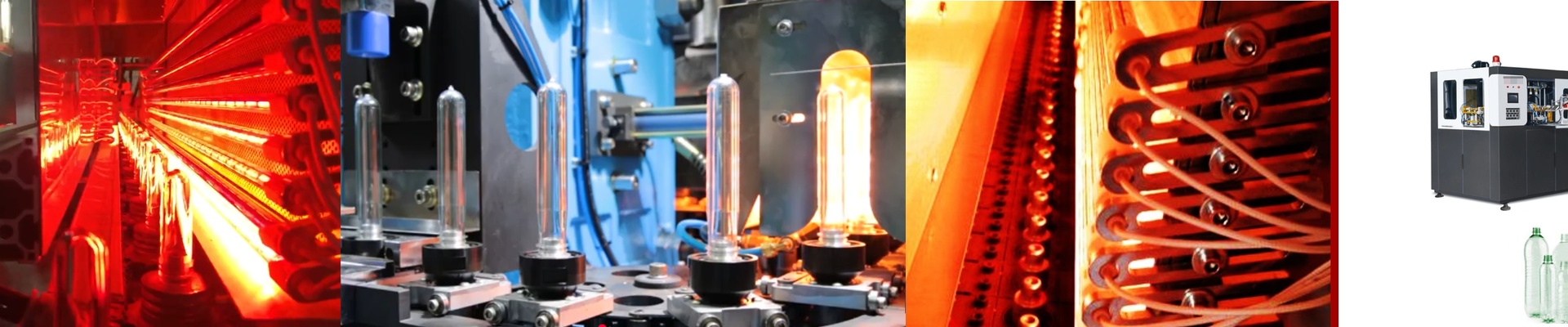
When the rush hits, you need top heat in the deck oven to land exactly where you want it—fast. If the upper element drags, the crust under-browns, the cheese won’t blister, and the line backs up. A halogen heating bulb changes the response in the baking chamber: near-instant radiant heat you can feel the second you open the door. Halogen bulbs use a quartz envelope and the halogen cycle to keep the filament hot and steady. The output is a short-wave infrared profile—quick heat-up, consistent output bake after bake. In a deck oven, that means the stone hearth keeps conducting steady bottom heat, while the top heat focuses on the surface: hitting caramelization on pizza and crisp-skin development on roasted items without drying the interior. They typically run on standard voltages and mount into existing top-heat zones, so you can swap in the performance without rewiring the whole oven. Here’s why it matters: different menus demand different heat discipline. For pizza, the bulb helps you get those leopard spots in seconds—crust puff, cheese melted, no scorching. In baking, the radiant top heat evens out browning across trays, cutting down on hot-spot complaints and rework. For finishing and warming, the bulb holds holding temperatures with tighter control than older elements, so food stays on target instead of swinging wide. The result is fewer failed plates, faster turnaround, and energy use that follows bake time, not idle heat. One practical detail: halogen bulbs need clean mounting surfaces and dry connections. Handle them by the base, not the glass, and verify the oven’s terminal block, socket type, and clearance before replacement. Match wattage and voltage to the original spec so the thermostat reads right. When it’s installed correctly, the bulb runs quiet, recovers fast, and stays stable through the busiest service windows.