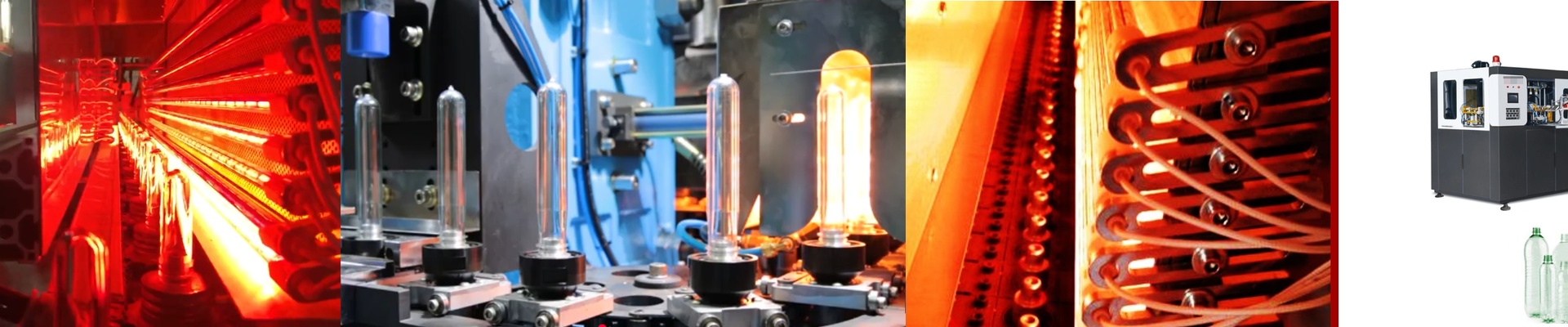
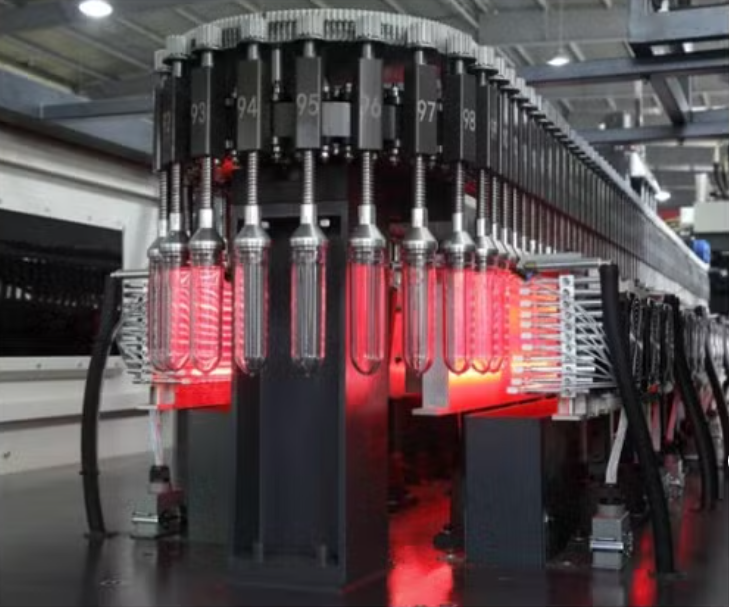
On the blow molding floor, you earn stability in the preform heating section. If the temperature profile drifts, heat comes uneven, or the warm-up drags, you don’t just lose speed. You lose parts, burn through lamps, and keep the maintenance phone on speed dial. For Sidel, Krones, SIPA, Husky, SACMI, and Nissei ASB machines, the answer starts with infrared radiators that were designed around the heating tunnel, the way it actually runs. What matters under the hood We build these infrared radiators for PET preform heating around controlled energy delivery. Short-wave quartz halogen emitters respond fast, hold tight control, and repeat output consistently across the heating zones. Each lamp is engineered to match the OEM power curve, so watt density stays predictable, temperature stays stable, and preform heating stays consistent. We match the original voltage and power rating, and we stick with standard R7s connectors so the swap is straightforward. The payoff is a clean, repeatable temperature rise—no hot spots, no lag—so the preform lands in the right stretch temperature window, every time. Why this works in practice On your blow molder, the heating tunnel wants repeatable heat, not max heat. These radiators restore the intended heat profile, so you see fewer rejects from inconsistent wall thickness, better bottle weight control, and cycle times that stop chasing temperature. Energy use drops because the system isn’t constantly compensating for weak output, and lamp changes come less often. For you, that translates into more uptime, fewer changeover headaches, and a heating section that behaves the way it did when the machine rolled out of the factory. A few shop-floor notes Installation is simple, but the heating tunnel is a harsh environment. Keep reflectors clean and aligned—small misalignment shifts the heat pattern and throws off the preform temperature curve. Before swapping, confirm voltage and power match the OEM spec; mismatched power changes the thermal load and can cut lamp life. Expect a slightly longer warm-up first thing in the morning, and keep lamp inventory aligned with your preventive schedule.