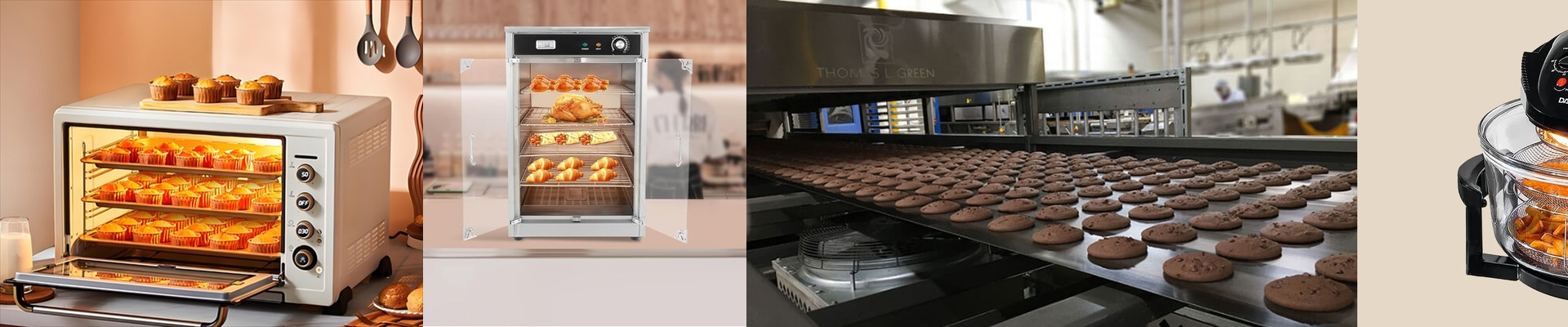
When the griddle under your deck oven can’t keep up, the whole line pays for it. Tickets back up, and the crust that should be crisp and evenly caramelized comes out patchy. A weak heating element doesn’t just slow you down—it wastes dough, burns energy, and knocks the consistency your customers expect right off its axis.
What matters under the hood
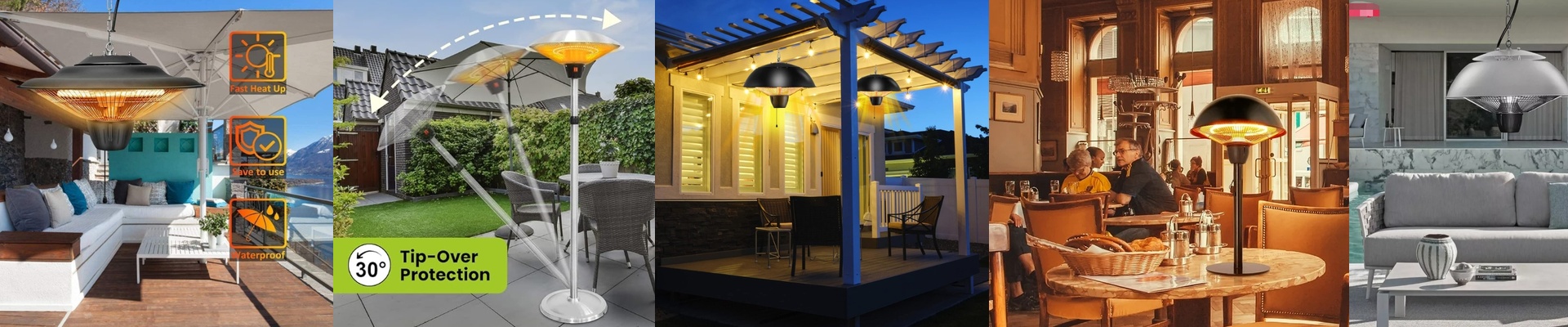
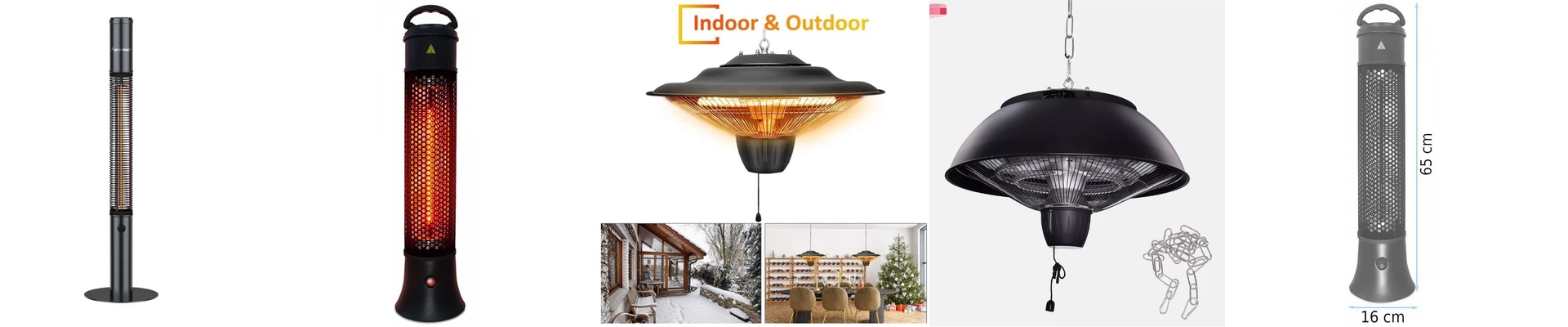
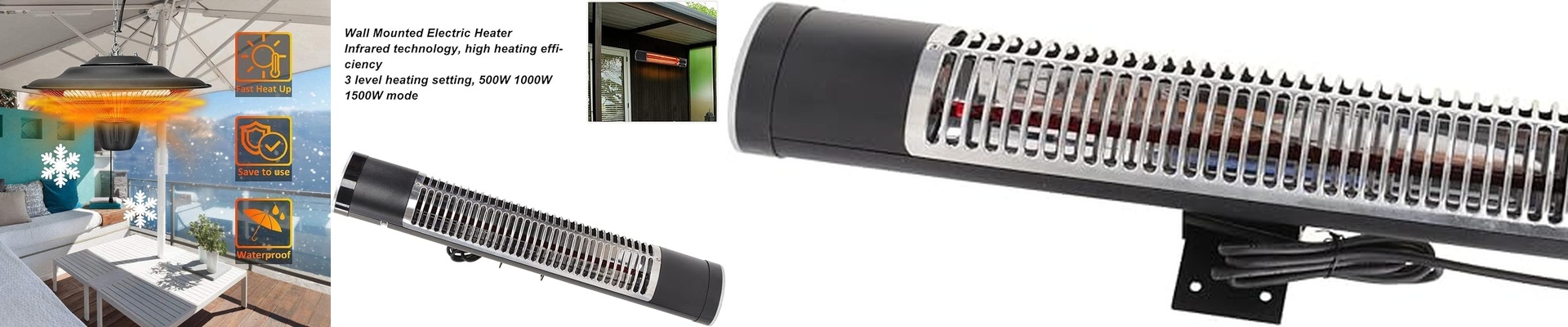
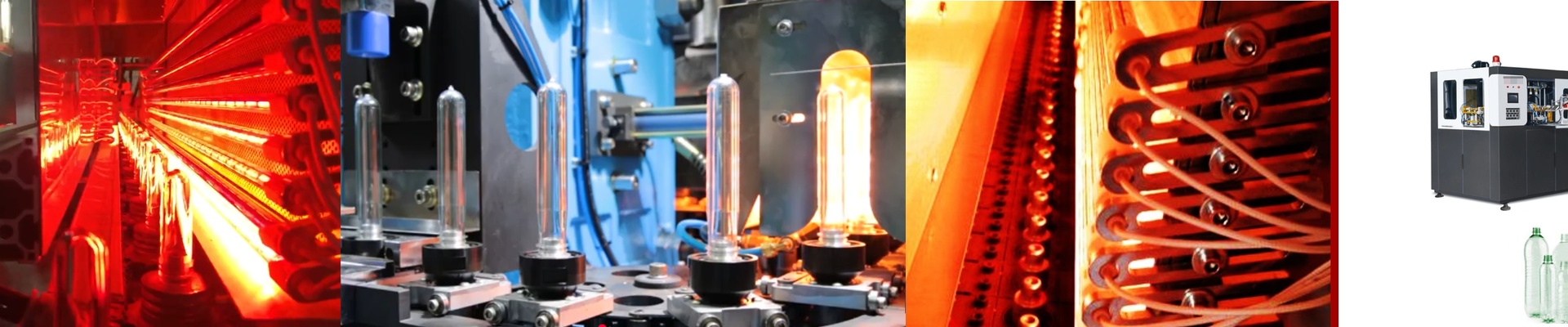
We built this replacement infrared tube for bakery griddles around a quartz envelope and a medium-wave emitter, chosen for fast, directional heat. It snaps to temperature—usually under 60 seconds—so the griddle surface recovers quickly between bakes. The tube is engineered to standard power and voltage configurations, with terminals that stay tight even after repeated heat cycling. Output stays steady through long shifts, so you get repeatable temperature control instead of a setpoint that drifts.
Why it plays nice in a deck oven
In a bakery deck oven, the griddle has to hit and hold heat the instant a sheet lands on the stone hearth. Infrared delivers straight into the metal, cutting the lag between what the thermostat calls for and what the surface actually runs. That translates to faster bake times, more consistent crust color, and fewer underbaked centers. It also helps on the energy side: shorter preheat and recovery mean fewer kilowatt-hours per bake cycle. And the tube is built to last, which cuts downtime and keeps your spares inventory from ballooning.
The practical details
Installation is straightforward, but you need to match the mounting brackets and terminal spacing to your existing griddle. Double-check voltage and polarity before you wire it up, and make sure the reflector is aligned—get that wrong and you lose efficiency, plus you risk hot spots. Handle the quartz tube by the ends only. Skin oils will shorten its life. Expect a touch more ambient heat around the griddle, so confirm clearances and ventilation, especially in tight bake decks.