Why we basically try to kill our bathroom heaters before they reach you
Let’s be honest: bathrooms are a nightmare for electronics. You’ve got thick steam, constant humidity, and those wild temperature swings when you jump from a freezing room into a hot shower. It’s the perfect storm for rust, corrosion, and electrical glitches. Most companies just trust the data sheets. We don’t. We take our infrared lamps and put them through “damp-heat aging tests.” In plain English? We try to break them.
The problem with steam
Here is the thing about water vapor: it doesn’t just sit on the outside. It finds a way in. It sneaks through seals and attacks the electrical contacts. When moisture hits a hot filament, it triggers oxidation. That creates resistance, which creates hotspots, and eventually, your lamp just pops. It’s a domino effect. That’s why we soak our units in saturated environments—we need to know for a fact that those seals actually hold up when your bathroom feels like a sauna.
Stressing the gear
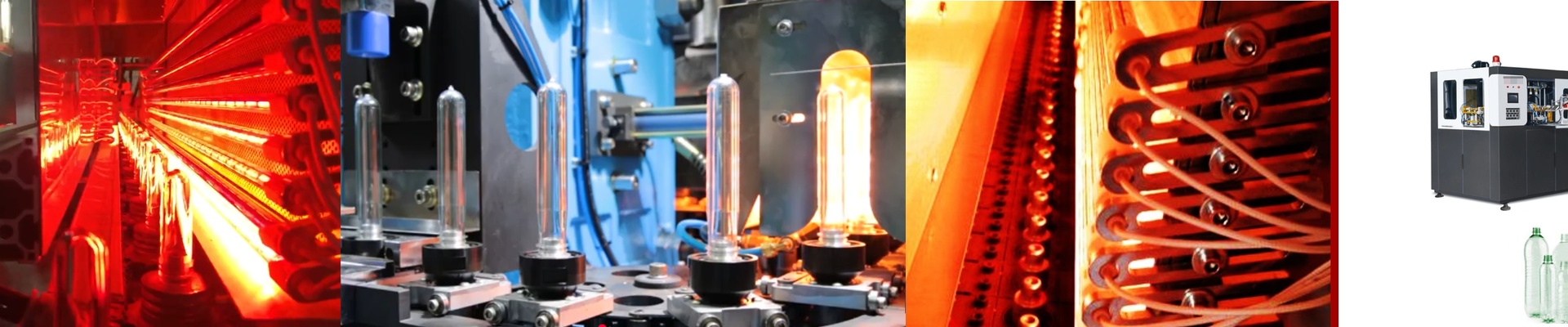
We don’t have years to wait and see if a heater lasts. So, we cram years of wear and tear into a few weeks. We cycle the heaters from blistering hot to cold and damp, over and over. We’re looking for the tiny things. A seal off by a fraction of a millimeter? That’s a fail. It leads to a flicker or a short circuit, and we don’t want that in your ceiling. We also keep a close eye on the quartz glass and the reflectors. If a reflector starts to peel or pit because of the moisture, it can’t push the heat downward anymore. The element has to work twice as hard to warm the room, and that’s how you get a premature burnout.
The trade-off
Does this make our production slower? Yeah. Does it mean we throw more units in the scrap bin? Absolutely. But here’s the reality: nobody wants to deal with a dead heating element that’s already wired into a ceiling. It’s a total nightmare to fix. We’d much rather take the hit at the factory than have you call us six months into winter because your heater quit. We’re okay with a higher reject rate here if it means the unit you actually install just works—season after season.