
Keeping Your Bathroom Infrared Heaters Safe and Dry
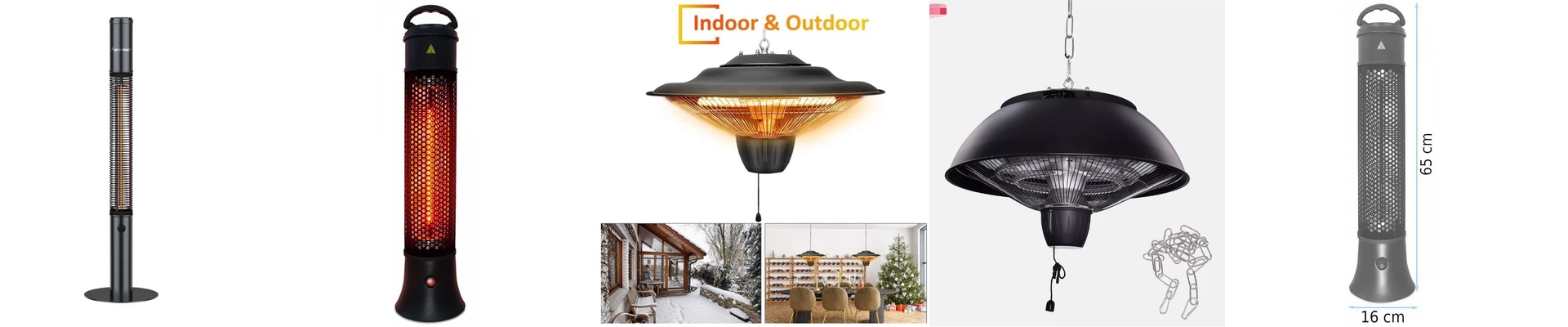
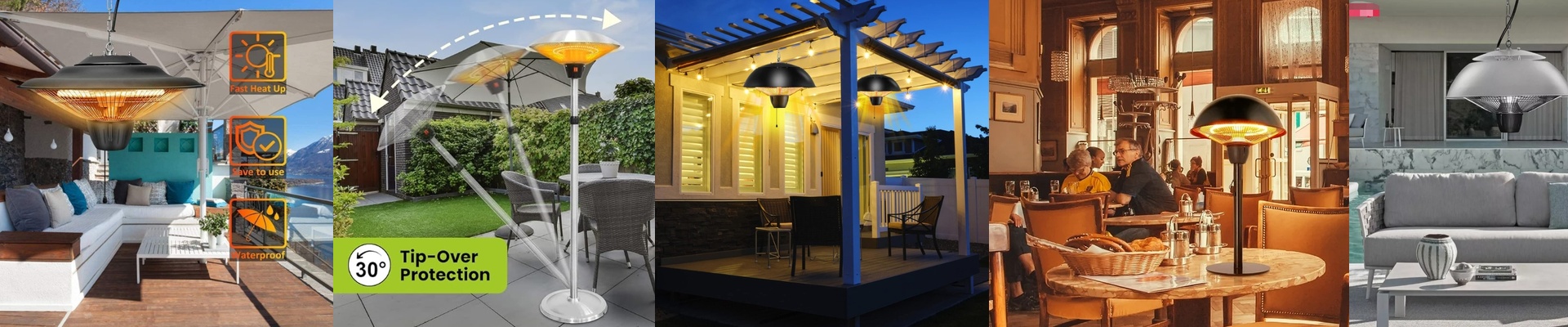
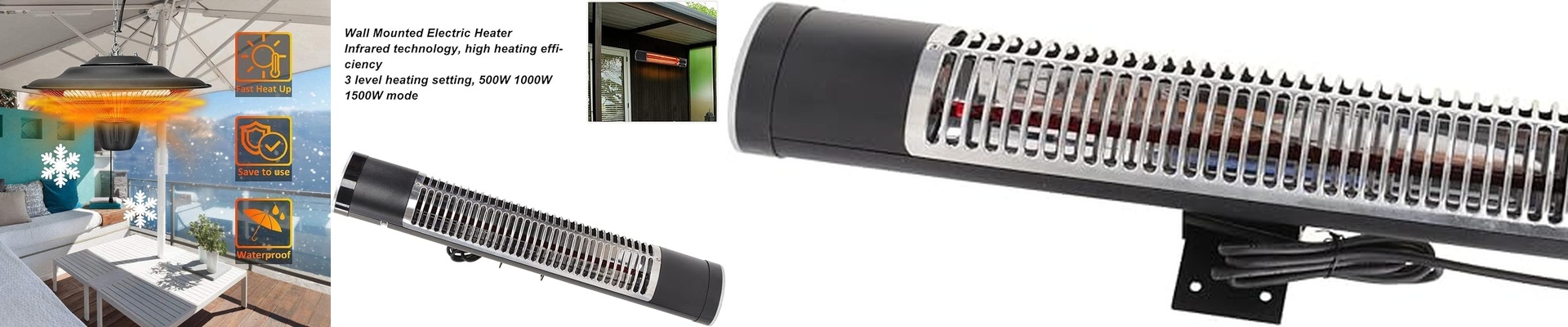
Putting an infrared heater in a bathroom is a bit of a gamble if you aren’t careful. You’ve got steam everywhere and water splashing just inches away from live electricity. Not exactly a great mix. To keep things from sparking or shorting out, we focus on two main things: keeping the water out and making sure the electricity stays exactly where it belongs.
Let’s talk about IP66
You’ll see “IP66” on the box, but what does that actually mean for you? Basically, it means the heater is built like a tank against dust and heavy water jets. We don’t just slap a cover on it. We use heavy-duty gaskets and sealed cable glands to block moisture from sneaking into the wiring. Here’s the thing: if steam gets inside, it turns into tiny droplets on the electrical contacts. That’s how you get dangerous arcs or “tracking.” To stop that, we use hydrophobic seals and keep the internal space as tight as possible. Less room for air means less room for condensation to build up.
Making sure it’s actually insulated
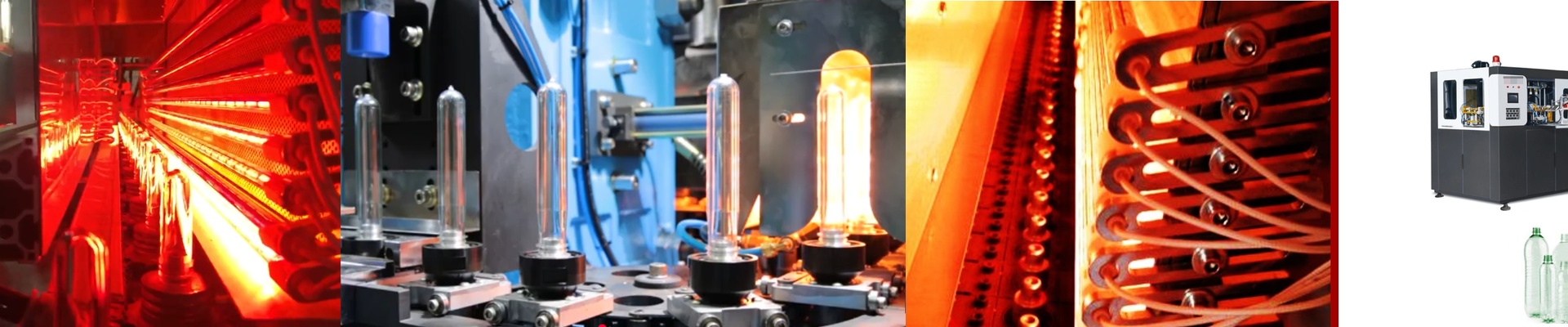
For the heating element, we stick with high-grade quartz glass and ceramic insulators. These materials are great because they don’t lose their insulating power even when the outside of the unit is soaking wet. We also use reinforced silicone cables. Why? Because standard wires crack when they get hot and cold over and over again. Silicone just handles the heat. And for the “worst-case scenario,” the whole chassis is hard-grounded. If a component ever fails and the housing becomes live, the breaker trips instantly. We don’t guess on this—we run a “high-pot” test on every unit to make sure there’s zero leakage between the element and the metal case.
The tricky part: Heat vs. Water
There is a catch. When you seal a box tight enough to keep water out, you’re also trapping the heat inside. The lamp sends most of its warmth outward, but the internal wiring still takes a hit. This is where a lot of people mess up. If you use cheap, thin wiring, the insulation will eventually melt inside that sealed IP66 box. That’s why we use heat-resistant gauges. It doesn’t matter how waterproof your heater is if the wires inside are cooking themselves. You’ve got to spec the wiring for the heat, not just the water.