Getting Your Sidel Matrix Lamps Right
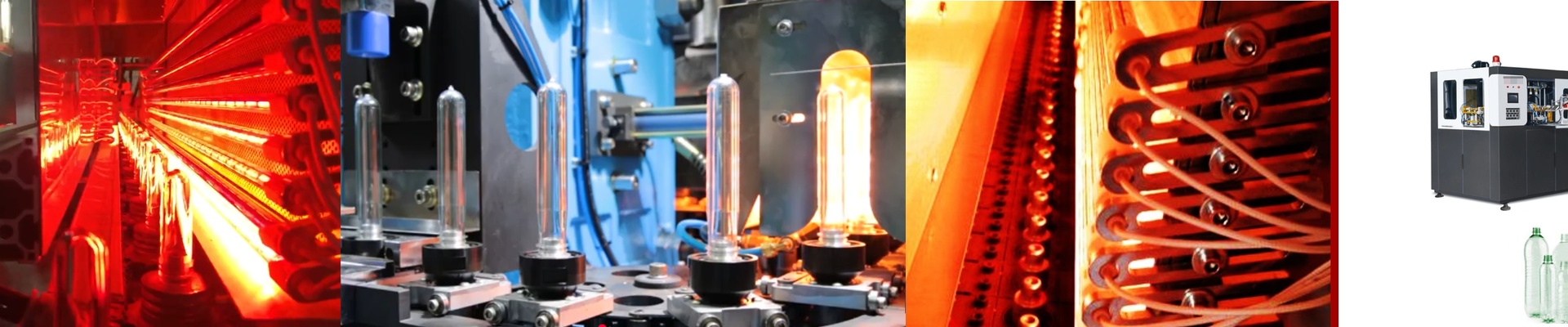
Here is the problem with swapping out lamps in a Sidel Matrix oven: if the heat isn’t exactly right, everything goes sideways. You might see weird thickness in the bottle walls or that annoying pearlescence. It usually happens because the new lamp doesn’t hit the same temperature curve as the original. That’s why we spent the time making our replacements match the original specs perfectly. It’s not just about the size. We didn’t just make them the right length. We obsessed over the voltage and wattage. Think about it—if a lamp is even slightly under-spec, the operator usually tries to “fix” it by cranking up the power. That’s a recipe for disaster. It puts way too much stress on your power supply and kills the lamp faster. Our tubes keep the same resistance and power density as the factory ones. The heat flux is a mirror image of what you’re used to. The best part? You don’t have to spend your afternoon rewriting heating profiles just because you changed a few bulbs. The nitty-gritty stuff We use high-purity quartz glass. Why? Because these things go through a lot of thermal shock with rapid cycling, and cheap glass just won’t cut it. We also make sure the filament is exactly where it needs to be. If the angle is off, the infrared radiation misses the mark. Plus, we use standard Sidel connectors. A loose fit is a nightmare—it creates hot spots that can melt your sockets or burn out the lamp before it’s even broken in. One quick heads-up These lamps put out a massive amount of heat. Because of that, your oven’s ventilation has to be on point. If your cooling fans are clogged with dust or starting to fail, even the best lamp in the world will overheat the housing. Keep the airflow clear, and your lamps will last as long as they’re supposed to. They’re simple drop-in replacements. You get the same performance you’d expect from the OEM, just without the ridiculous price tag.