Cold evenings have a way of turning comfort into a negotiation. You bunch up, you wait, and the air still feels thin. An energy-efficient space heater changes that—especially when it leans on infrared warmth.
What matters, technically
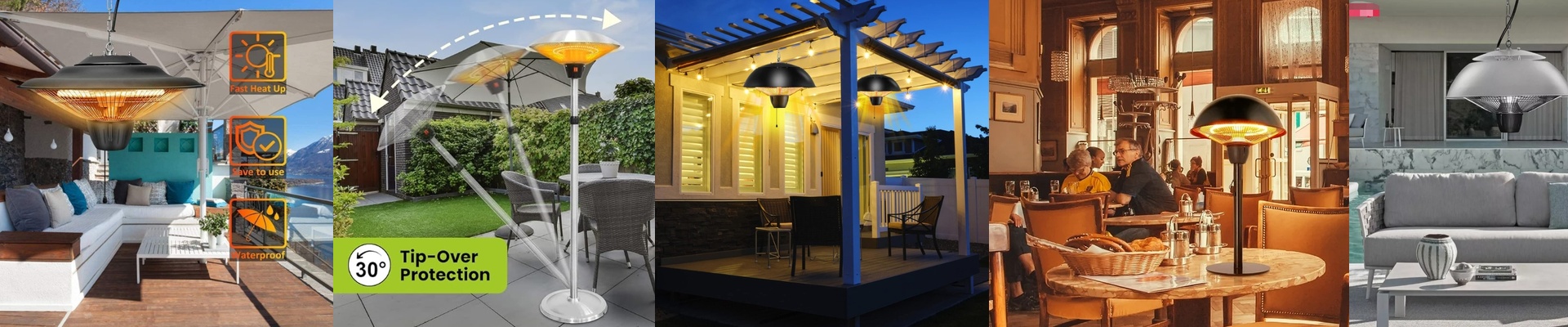
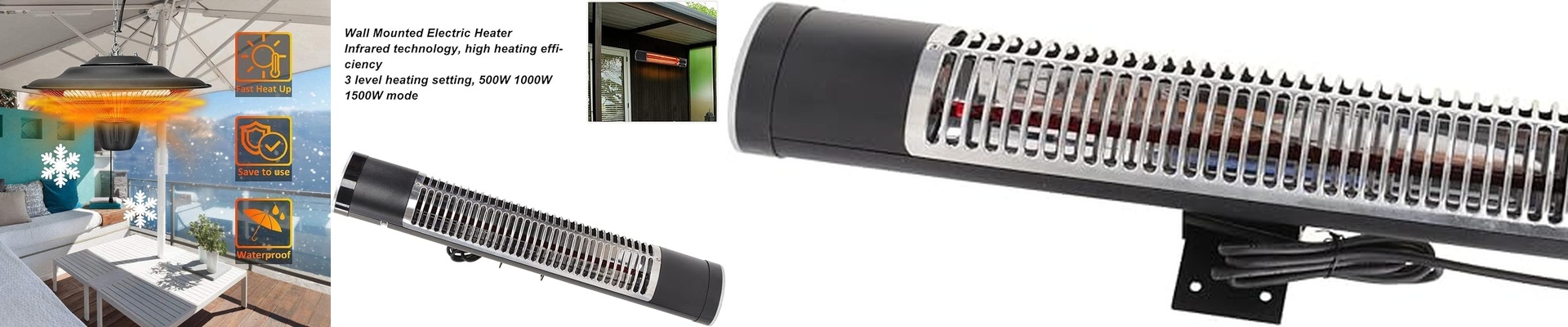
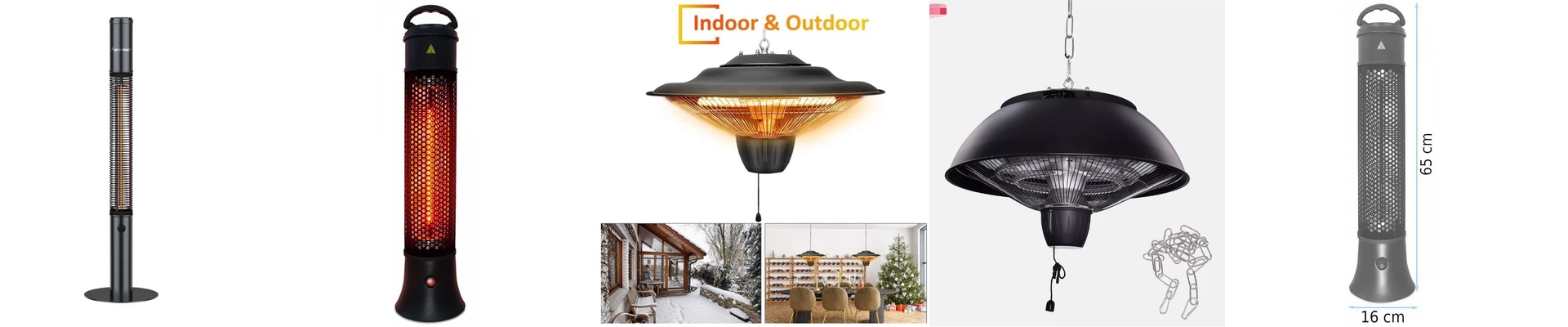
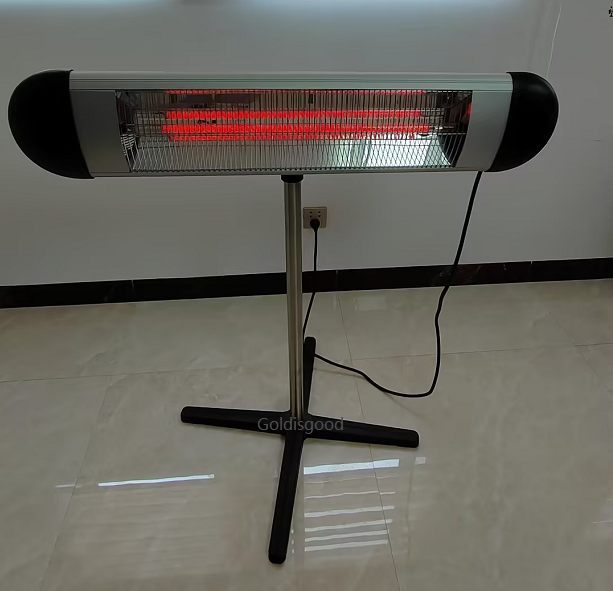
Infrared heaters deliver radiant heat. It travels outward at the speed of light and warms people and surfaces directly. Many models use a carbon fiber element or a quartz tube to produce short-wave or medium-wave infrared, so the warmth hits you right away. In practice, that means you can run the heater at a lower overall energy draw than a convection heater that has to heat the entire volume of air. Add a built-in thermostat and you get steady comfort without the temperature swings. For indoor use, look for safety features like tip-over protection and a cool-touch housing.
Why it works for healthier home heating
Infrared warmth does more than just bump up the room temperature. The gentle, penetrating heat reaches the skin surface and helps promote circulation, which can ease muscle stiffness and make colder months feel more relaxed. Because the warmth is directional, you feel cozy faster—no waiting for the room to “fill up” with heat. That also supports energy efficiency: you can keep the space comfortable without overheating the air, which helps keep energy use in check.
Things to know
Infrared heaters are most effective when you put them in clear, open areas with a direct line of sight to the people who need the warmth. Obstructions cut into comfort, so avoid tight corners tucked behind furniture. For indoor use, choose a model rated for dry environments and plug it into a grounded outlet on a dedicated circuit. If you want coverage beyond a single room, consider pairing a focused infrared unit with an outdoor electric heater for your patio. Outdoor spaces do best with radiant heat built to stand up to wind and weather.