Cutting Your Disinfection Time from 5 Minutes to 90 Seconds
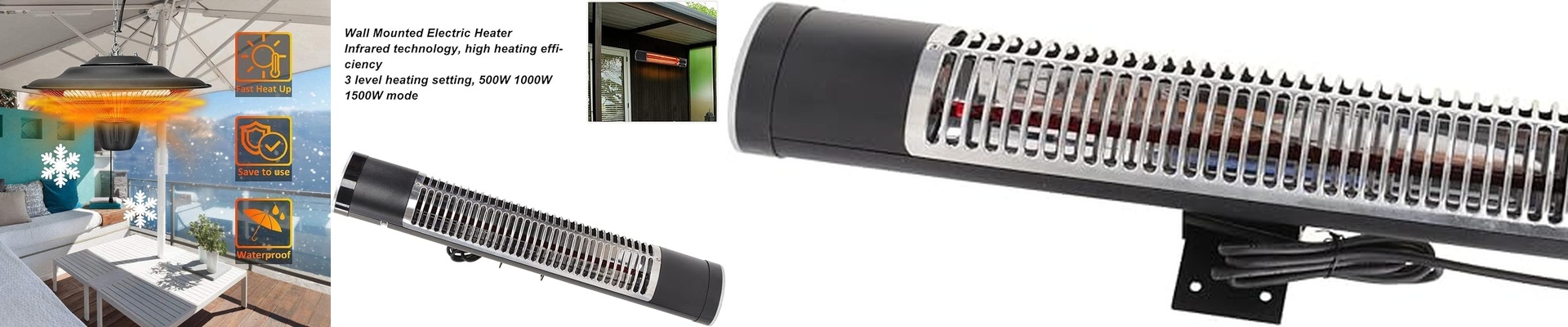
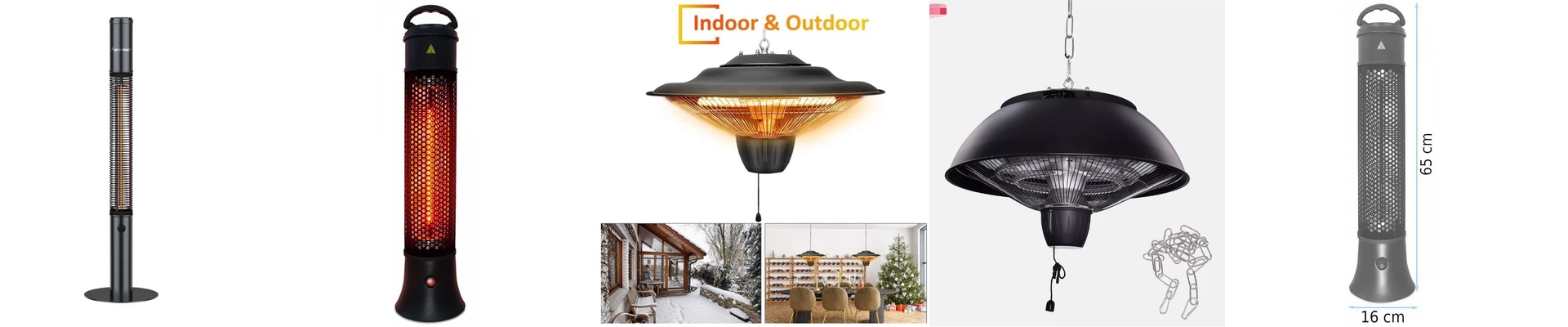
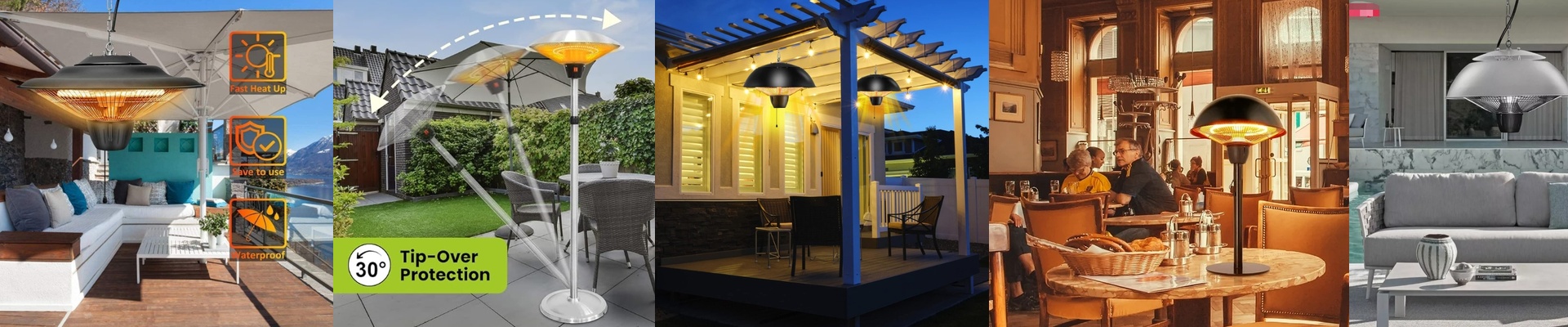
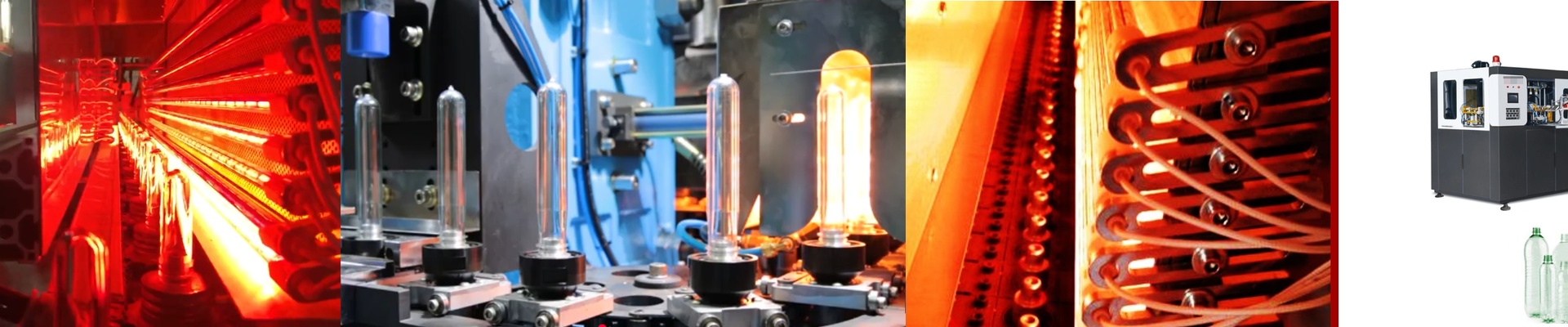
When you’re trying to slash a disinfection cycle from 300 seconds down to 90, you don’t have time to sit around waiting for the air to warm up. You need heat, and you need it now. For high-volume pizza lines, we lean on shortwave infrared (IR) quartz heaters. They don’t mess around—they hit your target temperature almost the second you flip the switch.
Why IR actually works
Most heaters just warm up the air, which is honestly a slow way to do things. It’s like trying to warm up a room with a hairdryer. Shortwave IR is different. It cuts right through the surface of whatever you’re disinfecting. By cranking up the wattage density, we can force that energy in faster. The result? You get your cycle times way down without worrying about whether the sterilization actually happened.
Swapping out the lamps
If you’re replacing a burnt-out tube, don’t just grab the first thing you see. It has to fit the footprint and match the electrical load perfectly. Double-check your voltage and connectors before you even touch the machine. We use high-purity quartz glass because it lets the IR through and doesn’t crack when the temperature swings wildly. But here’s the real kicker:**watch your wiring.**This is where things usually go sideways. If those connectors aren’t seated tight, the high wattage will cause arcing. That’s a quick way to melt your housing and ruin your day.
The trade-off
Cutting 70% of your cycle time sounds great, but it puts a lot of stress on your gear. While the IR lamps do the heavy lifting, your cabinet’s insulation and vents are going to feel the heat. Keep an eye on the external skin of the machine. You don’t want an operator getting burned because the chassis is radiating too much energy. And one last thing. If you push the wattage to the limit to hit that 90-second mark, your control electronics might start to sweat. You’ll probably want to beef up your cooling fans so you don’t fry your boards.