Why Your SIG Blomax Lamps Keep Quitting on You
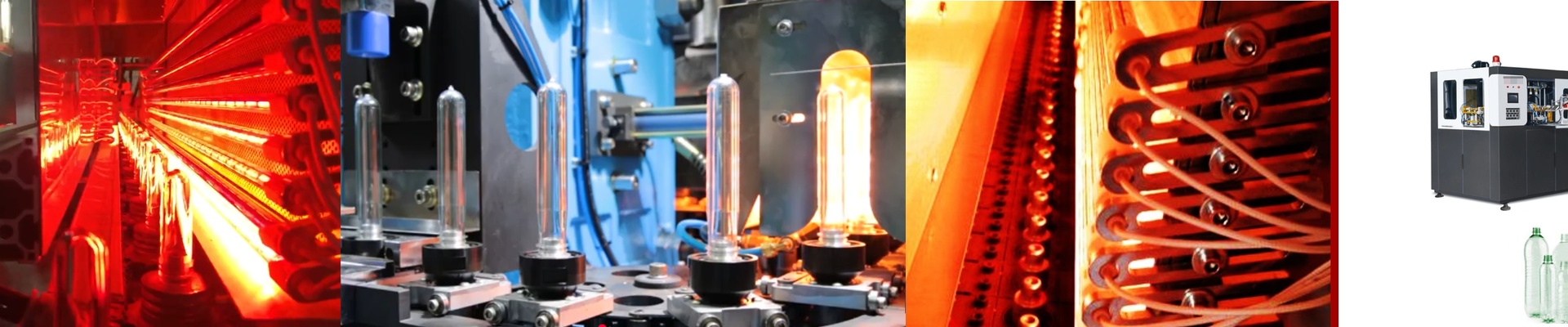
If you’re constantly swapping out tubes on your SIG Blomax line, you know how frustrating it is. It’s never at a good time. You’re mid-run, the line stops, and suddenly you’re staring at a batch of ruined product and a deadline that isn’t moving. Most of the time, it comes down to two things: cheap materials and heat stress.
The problem with “budget” lamps
Here’s the thing about those generic, low-cost lamps: they’re usually made with standard quartz glass. It works fine for a while, but it can’t handle the constant “on-off” thermal cycling of a high-speed line. Eventually, the glass just gives up. We do things differently. We use reinforced quartz that can actually take the vibration and the sudden temperature swings without cracking. And then there’s the filament. If that little tungsten wire sags even a tiny bit, it creates a hot spot against the glass. That’s usually where the tube pops. We keep our tolerances tight so the filament stays centered, which stops that burnout cycle before it starts.
Managing the heat
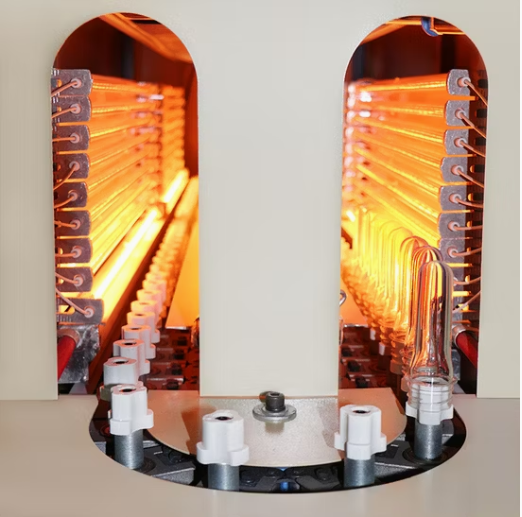
Shortwave lamps are powerful—they have to be to cure things quickly. But all that power creates a massive amount of heat right at the end caps. If the seal where the wires meet the glass is weak, oxygen leaks in. Once that happens, the filament oxidizes and snaps. It’s a quick death for a lamp. We use high-grade sealing compounds to keep that halogen cycle stable. You get the heat you need, but the lamp actually lasts.
Just swap and go
You don’t need to rewire your racks or mess around with your reflectors. These are designed to fit right into your SIG Blomax setup. You just pull the old one out and slide the reinforced one in. One quick tip: while you’re swapping them, take a second to check your voltage stability. If your power supply is jumping all over the place, it’ll beat up even the toughest lamp. Keep the power steady, and these things will run for a long time.