Getting Your Steam Oven Temps Right (Without the Headache)
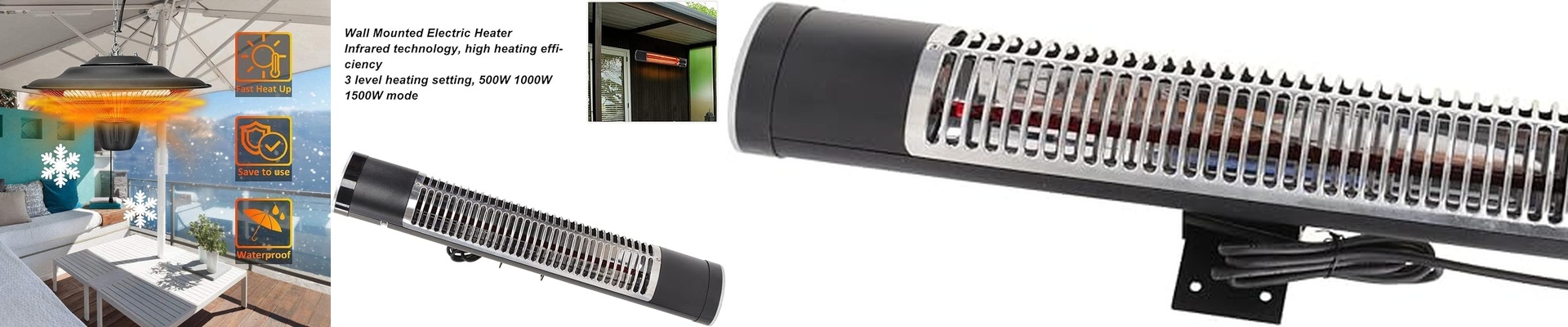
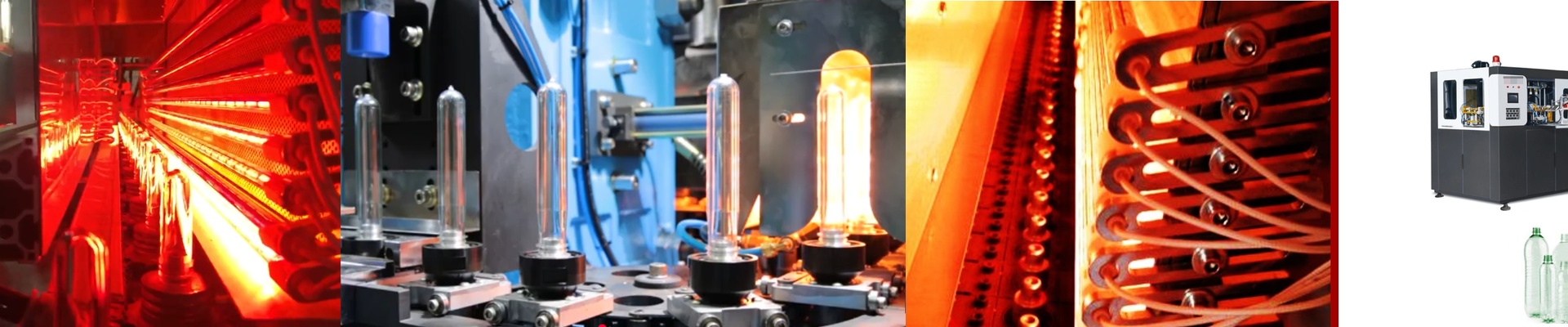
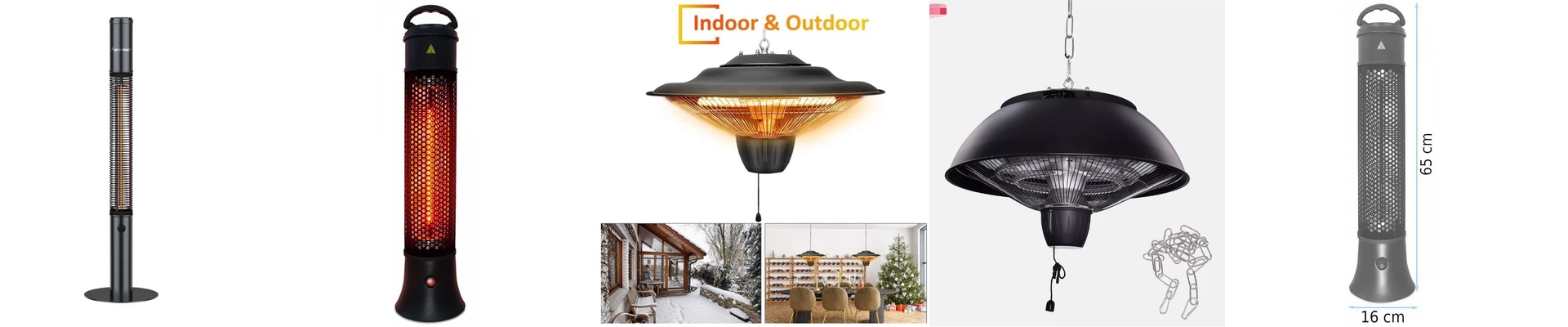
If you’re running an automated commercial kitchen, you know the struggle. You tell the PLC to hit a specific temperature, but traditional heating elements take forever to catch up. It’s a lag that kills your efficiency. That’s why we use short-wave infrared lamps. Instead of wasting time heating up the air in the entire oven cavity, these lamps beam energy straight into the food. It’s nearly instant.
Making the Hardware Play Nice
To actually control that speed, you can’t just plug them in and hope for the best. You need a high-frequency PID controller and a Solid State Relay (SSR). Since these lamps hit full power in milliseconds, the system can make tiny, rapid-fire adjustments to the power. It’s the difference between a sledgehammer and a scalpel. You won’t have to deal with that annoying “overshoot” where the temp spikes and ruins your pastries or overcooks a delicate piece of fish.
Dealing with the Steam
Let’s be honest: steam ovens are brutal on electronics. All that moisture wants to corrode your contacts or cause a short. We handle this by using sealed connectors and specialized quartz envelopes. It keeps the water out and the filament safe. But here is something to watch out for:heat density. High-wattage lamps are great for fast ramp-ups, but they pack a ton of energy into a tiny space. This puts a lot of pressure on your wiring. If you’re going with a high-density array, double-check your wire gauge. And for heaven’s sake, make sure your cooling fans are actually doing their job. If the sockets get too hot, they’ll just burn out.
The Trade-off
Now, infrared is fast, but it doesn’t dive deep. It hits the surface hard, but it won’t penetrate a thick cut of meat the way other sources might. If you’re cooking something thick, don’t rely on the lamps alone. You’ve got to find a balance between that radiant heat and the latent heat of the steam. That way, the center of the food gets cooked through without the outside turning into charcoal.