Getting the Heat Right for PET Blowing
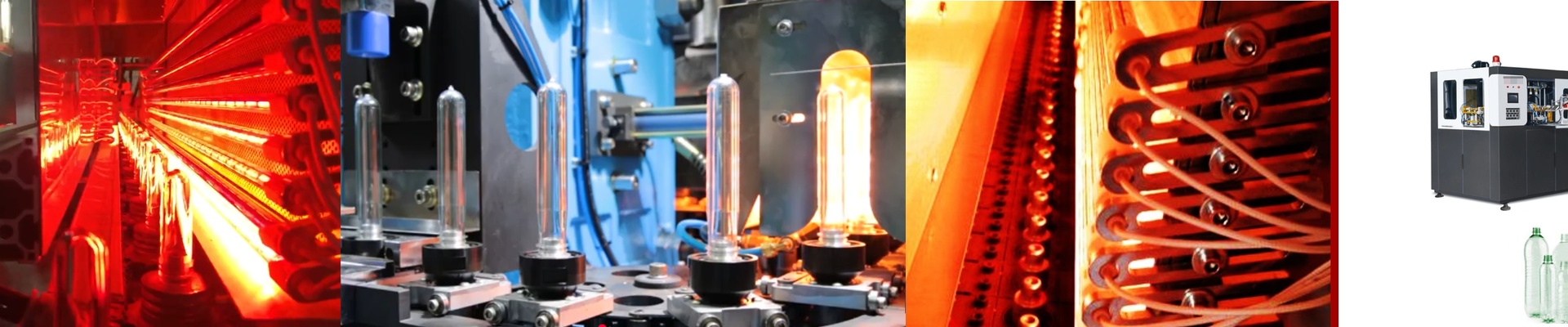
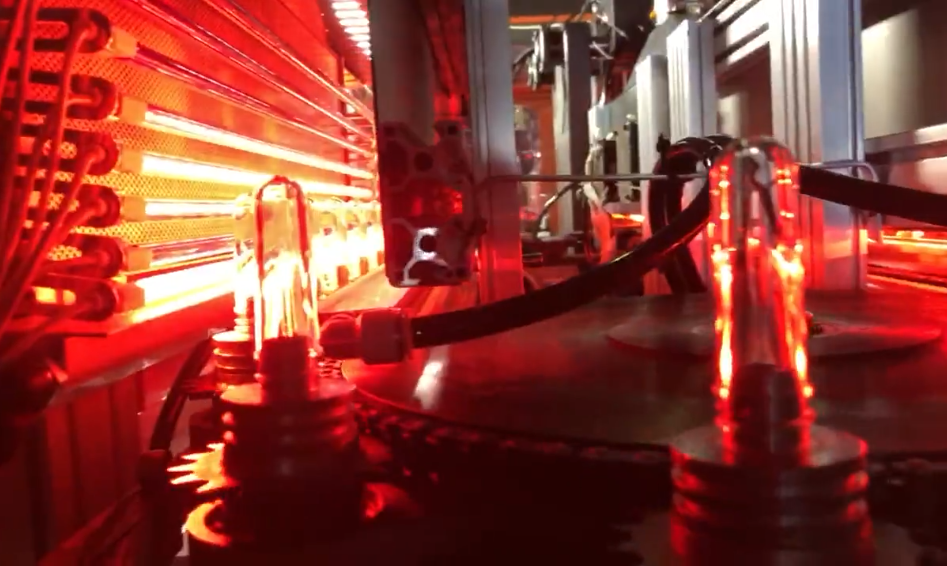
If you’re running high-speed lines like the Sidel SBO 20 or a Husky HyPET, you know the struggle. The biggest headache is usually the heat soak. When that infrared energy doesn’t sink into the preform wall fast enough, you end up with pearlescence or walls that are way too thin in some spots and thick in others. It’s frustrating. That’s why we tweaked our replacement lamps. We shifted the emission spectrum so the heat actually gets deeper into the plastic. The nitty-gritty on power We built these tubes with high wattage and precise voltage matching. Why? Because nobody wants to trip a breaker in the middle of a shift. We also packed in more filament density to boost the radiant flux. In plain English: you get more heat hitting the plastic in a much shorter window. And since these are drop-in replacements, they fit your OEM sockets perfectly. No hacking, no rigging—just plug and play. Better glass, better heat We use high-purity quartz glass because these things go through a brutal thermal cycle. Cheap glass burns out. Ours doesn’t. The real secret is the shortwave infrared (SWIR) profile. Instead of just scorching the surface of the preform, shortwave radiation reaches the core. It’s a more thorough heat. Plus, we used heavy-duty electrodes so the ends don’t pit when you’re constantly starting and stopping. A quick heads-up for the floor Here is the thing: these lamps put out a massive amount of heat density. You’ll need to make sure your cooling blowers are up to the task. If your airflow is clogged or weak, the ambient temperature around the housing climbs, and you risk overheating your reflectors. Keep the air moving. For the engineers actually running the machines, this just means faster cycles and way fewer rejects. You wire them up, dial in your oven zones, and let the lamps do the heavy lifting. It’s all about getting that plastic to the perfect temperature before it ever hits the blow mold.