Why We’re Moving to SWIR for Greener Kitchens
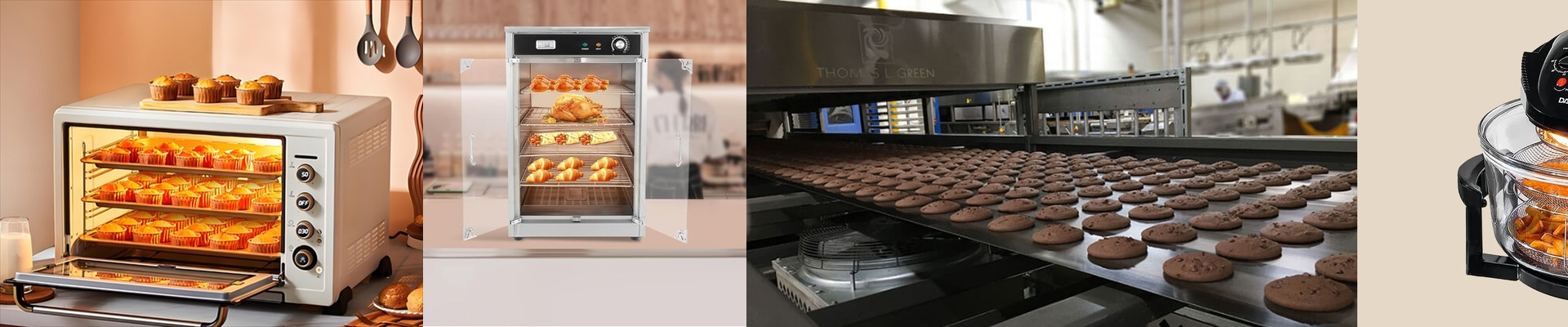
Think about a standard convection oven. You turn it on, wait forever for the air to get hot, and then you basically spend a ton of electricity just heating up an empty metal box. It’s a waste. That’s why we’re switching things up with Short Wave Infrared (SWIR) lamps. Instead of relying on hot air, we use radiation. The heat goes straight into the food, penetrating deep into the surface. No more wasting energy on the air around the tray, and way less time spent staring at a preheating screen.
The magic behind the heat
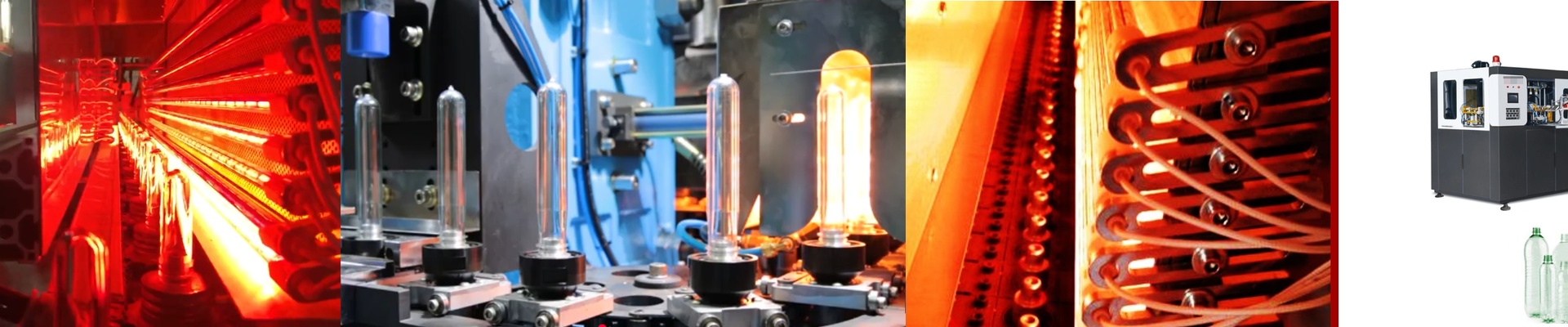
Short wave lamps run much hotter than the medium or long wave versions you might have seen. This means we can pack a lot of power into a tiny space. When we’re designing an oven, we’re looking for heat density. Since the radiation just skips over the air, the oven doesn’t need to be a scorching sauna to actually cook the food. That’s the real secret to “green” baking. We just stop heating the empty space.
What’s under the hood?
We build these using high-purity quartz glass and fill them with halogen gas. The halogen keeps the tungsten filament from burning out too fast, so the lamps actually last. Depending on the kitchen, we might add specific coatings to get the heat spectrum just right. As for the guts, we keep the wiring simple. We usually stick with R7s or SK15 connectors. They fit tight, they’re reliable, and when a tube finally gives out, you can just pop a new one in without a headache.
The tricky part
Now, SWIR is fast. Like, really fast. But you can’t just crank it to ten and walk away. If you push too many watts into a small spot, you’ll char the outside of your food while the middle is still frozen. To stop that from happening, we pair the lamps with precise PID controllers and timers. It keeps things from overshooting the mark. And one last thing—ventilation is a must. Even though we aren’t using the air to cook, the oven chassis still takes a beating from all that radiant heat. You’ve got to give the hardware room to breathe.