Getting Your Sidel Matrix Lamps Right
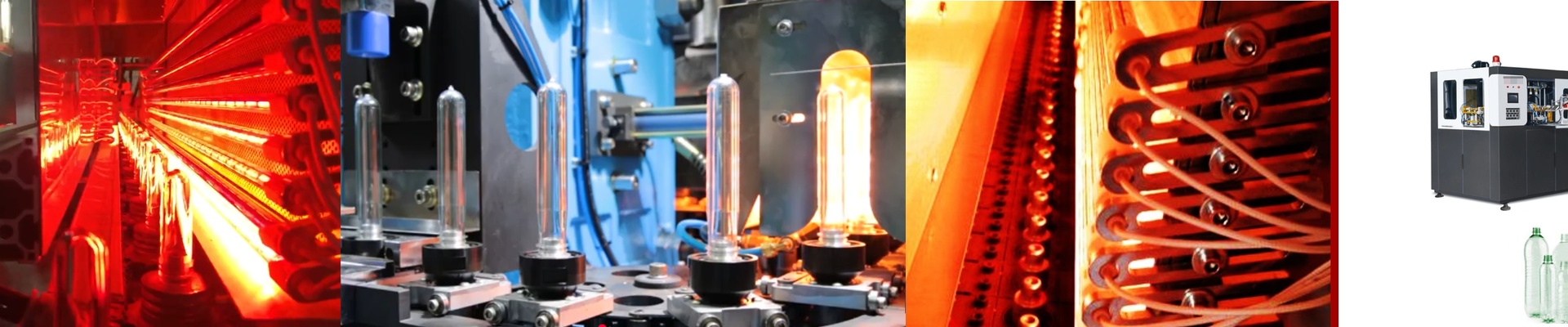
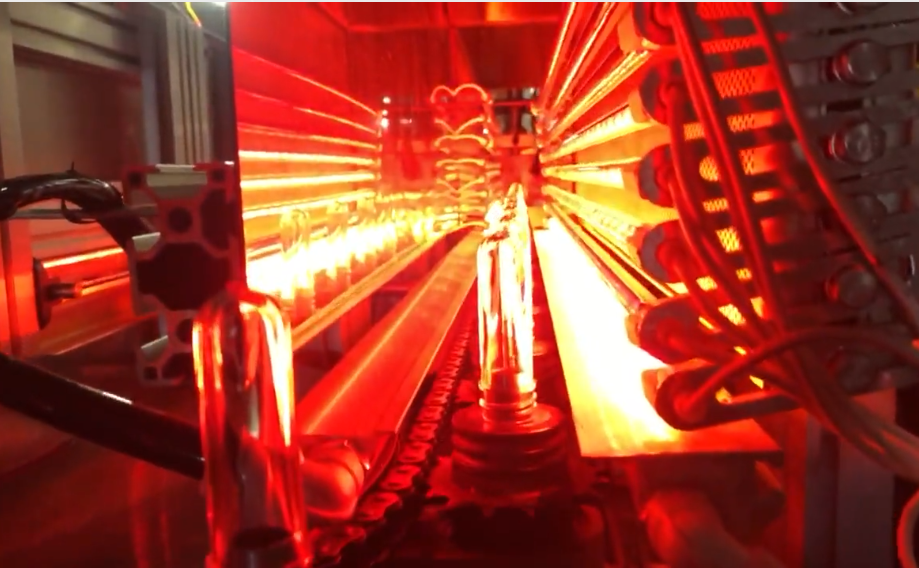
Here is the deal when you’re swapping out OEM lamps in a Sidel Matrix system: the biggest headache is the temperature curve. If the wattage or spectral output is even slightly off, your PET preforms won’t heat evenly. That’s how you end up with wonky wall thickness or that annoying pearlescence in your bottles. It’s a mess. To stop that from happening, we build our lamps to be a dead ringer for the originals. Why the “1:1 Match” Matters We aren’t just talking about the length of the lamp. We’re talking about the electrical load. Your Sidel SBO heater needs a very specific voltage-to-wattage ratio to hit the right heat density. By mirroring the exact resistance and voltage of the factory part, your power supply doesn’t feel a “shock” or a load imbalance. It just works. Your heat-up times stay exactly where they should be. The Nitty-Gritty on Quartz and Coatings We use high-purity quartz glass because these things take a beating from shortwave infrared emission. We also use a halogen cycle, which basically stops the tungsten filament from evaporating too fast. But the real secret is in the coatings. We tune the infrared wavelength so the heat sinks into the PET wall at the same speed as the original lamp. And since the connectors are a drop-in fit, you don’t have to spend your afternoon messing with the wiring harness. A Reality Check from the Shop Floor Look, high-wattage lamps put out a massive amount of heat. That puts a lot of pressure on your oven’s ventilation. If your cooling fans are clogged or your airflow is choked, even a perfect lamp can overheat your preforms. It’s a common trap. Before you ramp up to full production, do yourself a favor: check your blow-off pressure and your cooling air. Our lamps are built for high-output cycles, but they can’t fix a machine with bad thermal management. Keep the air moving, and you’ll be golden.