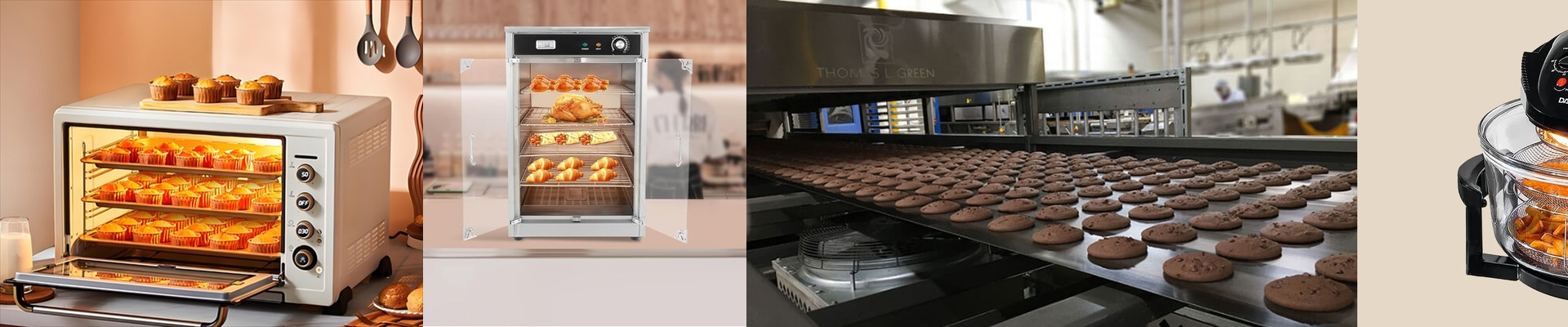
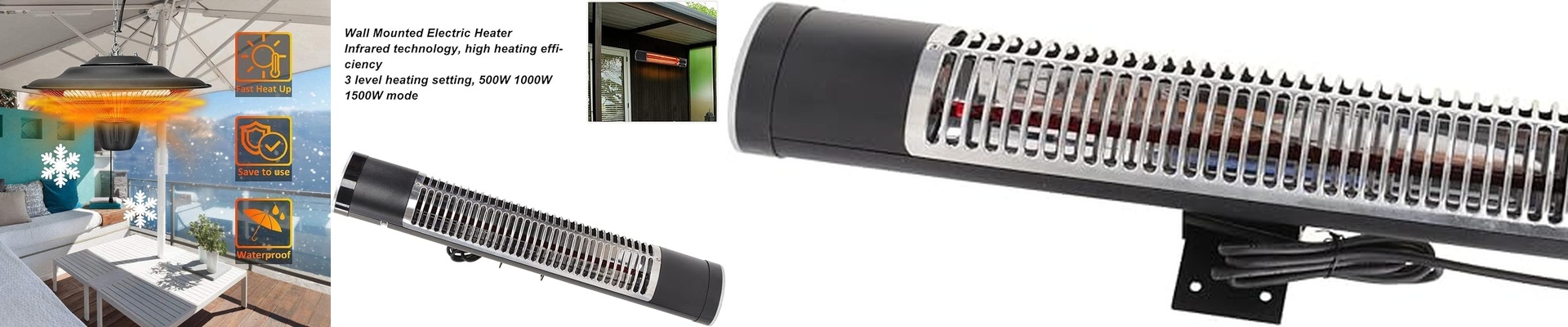
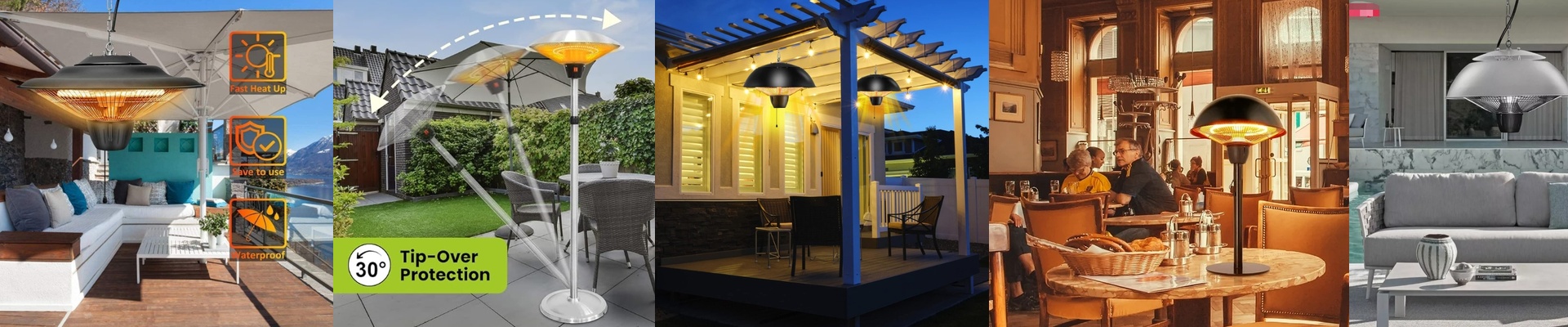
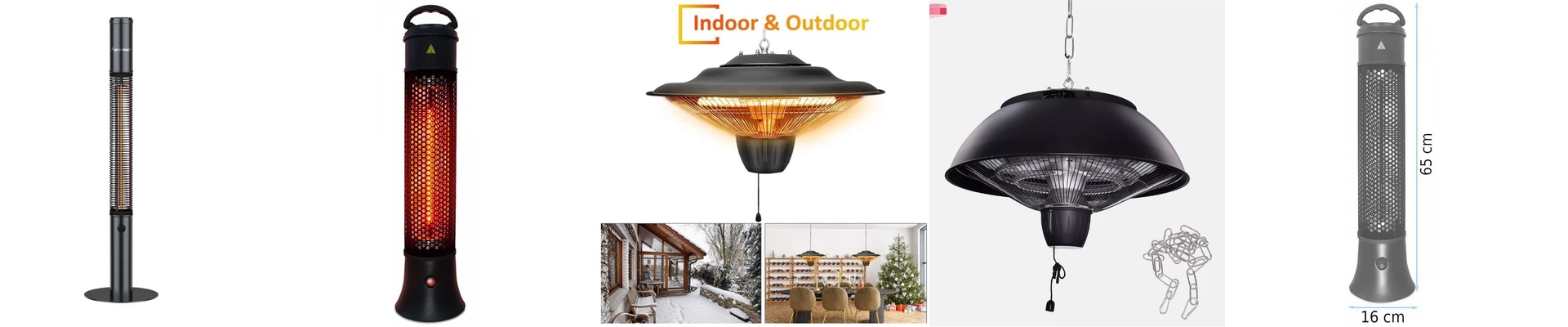
Why Wait for Your Food Warmer to Heat Up?
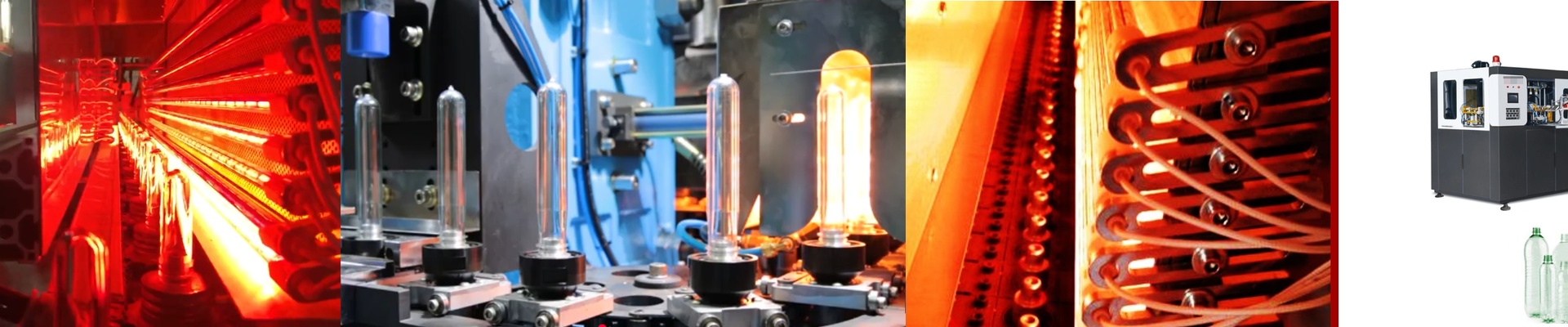
Nobody likes standing around waiting for a heating element to finally “soak” through a metal chassis. It’s a waste of time, and honestly, a waste of electricity. That’s why we went with circular shortwave infrared (IR) heaters. Instead of trying to heat up the air first—which takes forever—these elements send energy straight to the food. It’s direct. It’s fast.
Getting Up to Temp in Seconds
Most heaters use resistive coils that rely on convection. That’s the slow way. We do things differently. We use a high-density tungsten filament tucked inside a quartz envelope. This creates a massive burst of photons that lets the heater hit its operating temperature almost the second you flip the switch. No long pre-heat cycles. Just instant heat exactly where you need it.
The Nitty-Gritty on Materials
We use high-purity quartz glass for these circular heaters. Why? Because it can handle the “thermal shock” of turning on and off rapidly without cracking. Plus, the circular shape is a huge win. It spreads the heat evenly across the whole zone. You won’t deal with those annoying cold spots you usually get with straight, linear elements. Now, a heads-up on the power side: we can spec these for different voltages depending on your grid. Higher wattage means a faster ramp-up, but it puts more stress on your wiring. Just make sure your contactors and wires are rated for that initial peak surge, or you’ll be looking at a burnout sooner than you’d like.
Putting Them to Work
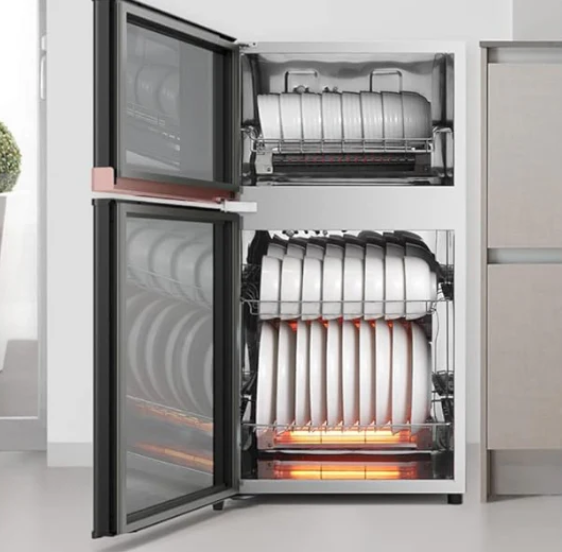
These are designed to be simple drop-in replacements for your existing warmer arrays. We kept the footprint small so you get the most heating area possible without taking up your whole counter. But here is the thing: shortwave IR getshot. Really hot. Because the surface temperature is so high, you can’t just use any old material for the housing. Stick with stainless steel or heat-resistant ceramics so things don’t warp. And one last tip: watch your airflow. If the ventilation is poor, the air around your electronics will heat up fast. Keep your controllers tucked away from the heat zone to keep everything running smooth.