Making Baking Greener with Medium-Wave IR
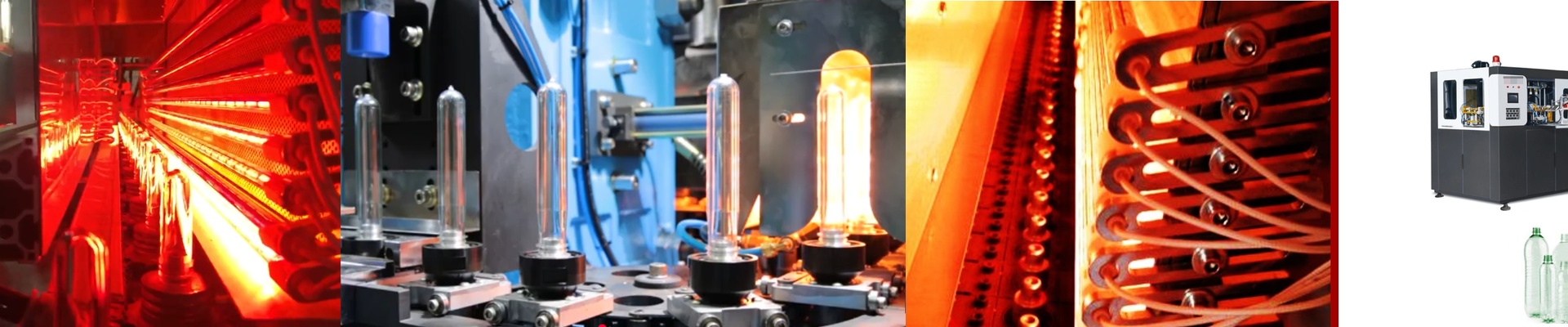
Most convection ovens are basically giant heaters for air. You spend all this energy warming up the oven walls and the air inside, and only a fraction of that actually gets into your food. It’s a waste. That’s why we use medium-wave infrared (MWIR) bulbs. Instead of waiting for the air to get hot, these bulbs send radiation straight into the food. It’s a simple shift in thinking: stop trying to heat the room and just heat the meal.
The secret is in the wavelength
You might wonder why we specifically use medium-wave bulbs. Here’s the thing: food is mostly water and fats, and those materials just happen to love medium-wave IR. Short-wave IR is often too aggressive—it either bounces off the surface or dives too deep. But medium-wave hits that perfect sweet spot. It gives you a steady, balanced heat soak. That means your pastry gets a gorgeous golden crust without the center staying raw. To make this work, we use high-purity quartz glass. It’s tough stuff. It lets the filament get screaming hot to push out that IR energy without the glass warping or melting.
Mixing IR with air
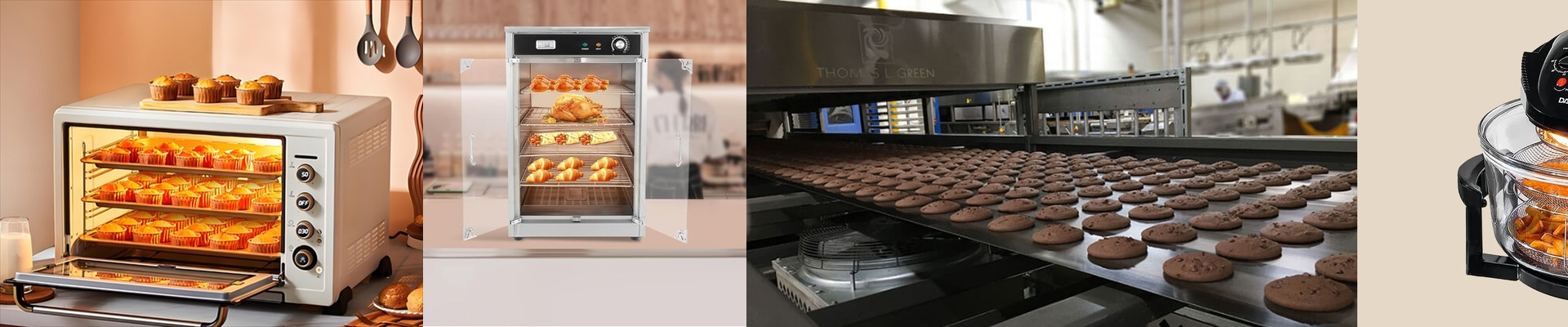
When you put these bulbs into a convection system, you get the best of both worlds. The IR bulbs do the heavy lifting—they provide that initial punch of energy for browning and crisping. Meanwhile, the convection fan keeps the ambient temperature steady so everything cooks evenly. But you have to be careful with your power. If you pack in too many high-wattage bulbs without the right ventilation, you’ll end up with hotspots. We usually suggest pairing the bulbs with a precise PID controller. It keeps things stable and stops the filaments from burning out when you’re cycling them on and off.
Why this actually helps the planet
Cutting carbon in a bakery mostly comes down to one thing: ramp-up time. Think about the old way. You turn on a massive metal box and wait 30 minutes for it to preheat. It’s tedious. With IR bulbs, you hit operating temperature in seconds. It’s fast. Really fast. And that changes everything. You use fewer kWh per batch, and your kitchen’s AC doesn’t have to work nearly as hard to fight the heat leaking out of the oven.