Why Your Bathroom Heater Is Actually a Mold-Fighter
Most people think those heat lamps in the ceiling are just there to keep you from shivering while you towel off. But we built these to do something a lot more useful. We’re actually using the infrared spectrum to hunt down moisture at the molecular level, stopping mold before it even has a chance to settle in.
Getting the water out of the walls
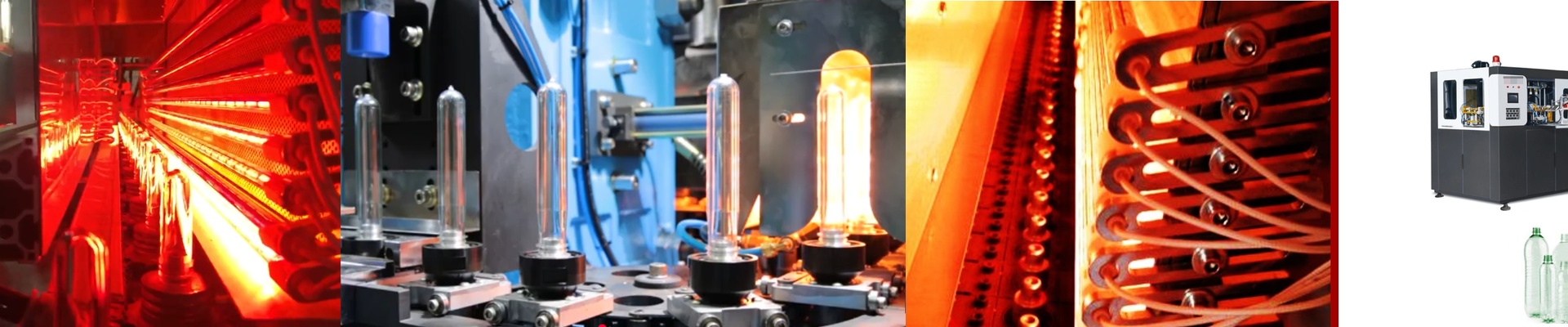
Here’s the thing: standard heaters just warm up the air. That’s fine, but it doesn’t really help the damp spots. We use short-wave infrared (SWIR) emitters in our mirror-finish heaters because they actually penetrate the surface. Instead of just heating the room, the energy goes straight into the water molecules trapped in your grout, sealant, and drywall. It makes those molecules vibrate and evaporate. Basically, it pulls the deep-seated moisture out of your walls and pushes it into the air. Once it’s there, your exhaust fan can actually grab it and kick it outside. It’s less about “warming the room” and more about drying out the bones of your bathroom.
The secret in the mirrors
Those shiny reflectors aren’t just for show. We use high-purity aluminum or gold coatings to aim the beam exactly where it needs to go. Without that, about half your energy would just waste away into the ceiling. By focusing everything downward, we create a high-heat zone right on your floor and walls. This creates a bit of a temperature shift. The warm, dry air heads up, while the radiant heat hits those cold spots where condensation loves to cling. No dampness, no mold. Simple as that.
A few things to watch out for
Now, there is a trade-off. High-wattage lamps heat up incredibly fast, but they can be a bit demanding on your electrical system. If you try to run four 500W lamps on a single thin wire, you’re going to run into trouble. You might see the lights flicker or the filaments burn out way too early because of voltage drops. Just make sure your wiring is beefy enough to handle the peak current. And one last tip: remember that these lamps are designed to dry surfaces. They aren’t going to magically lower the air temperature—they just change the water from a liquid to a gas so you can get rid of it.