Why Speed is the Secret to Saving Energy in Your Bakery
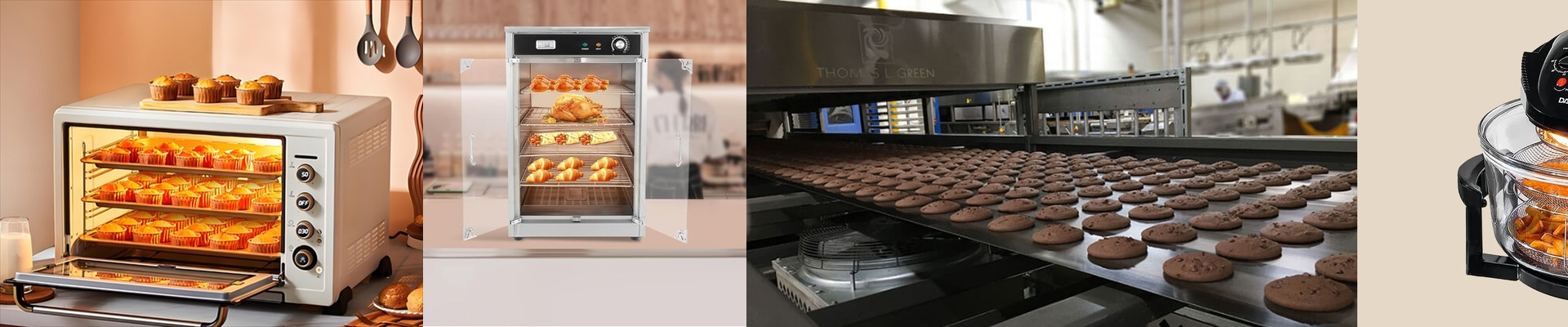
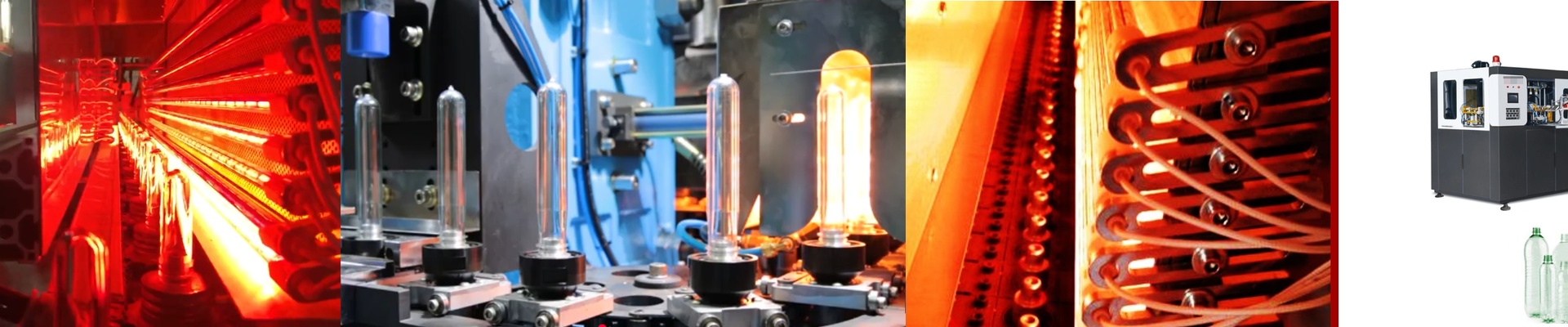
When most people think about saving power in a bakery, they think about thicker insulation. But if you really want to stop leaking money, you have to look at the lag. I’m talking about that annoying gap between the moment your thermostat says “enough” and the moment the oven actually stops pumping out heat. To fix that, we use nichrome-filament halogen bulbs. It basically kills the lag. The problem with “heavy” heat Standard heating elements are like old trains—they take forever to get up to speed and even longer to slow down. This leads to “overshoot.” Your sensor hits the target temperature, the power cuts, but the element is still glowing red hot. It keeps cooking your product long after it should have stopped. Halogen lamps are a different beast. They use short-wave infrared radiation. Instead of wasting time warming up the air, the heat hits the dough directly. The best part? When the controller cuts the power, the heat stops. Just like that. No more wasting kilowatts on heat you didn’t even want. The guts of the system We use nichrome for the filaments because it doesn’t flake or oxidize when things get hot. It can handle being switched on and off constantly without burning out. Then we wrap it in quartz glass, which lets the infrared energy fly right through instead of soaking it up. One quick tip if you’re setting these up in a big array: keep an eye on your voltage drop. These bulbs pull a lot of current. Make sure your wiring gauge is beefy enough for the load, or you’ll end up with overheating terminals. The honest trade-off Look, nothing is perfect. Rapid cycling is great for your electric bill and your crust, but it’s tough on the glass-to-metal seals. You’ll likely replace these bulbs more often than you would a chunky, old-school heating coil. It’s a simple trade: you spend a few more hours on maintenance a year, and in return, you get a much tighter temperature profile and a lower power bill. For most of us, that’s a deal worth taking.