Can a few new lamps actually speed up your Sidel Matrix B2B?
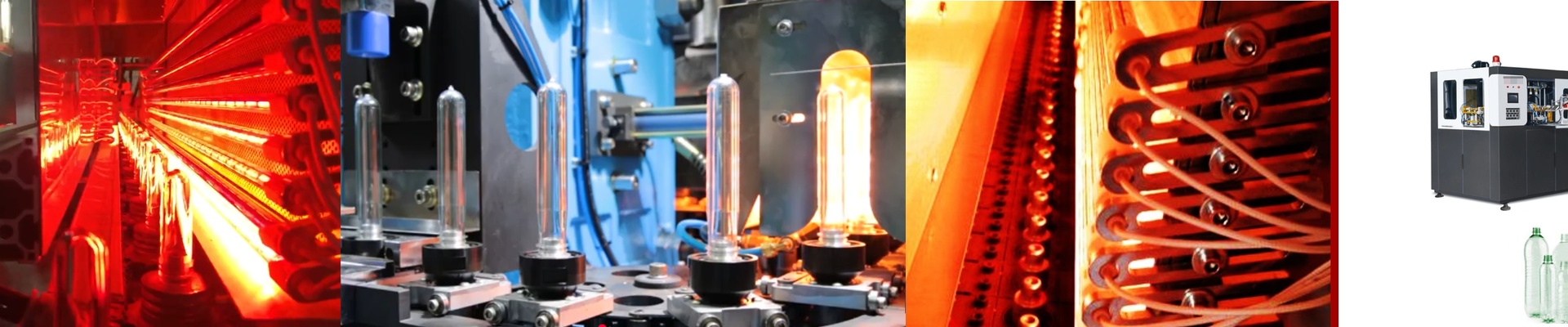
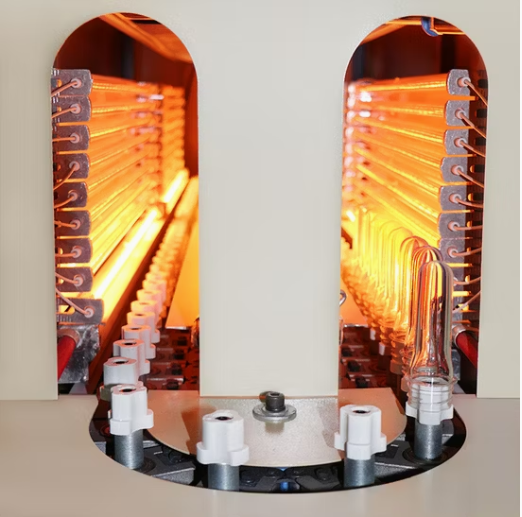
If you’re running an older Sidel Matrix B2B, you know the headache of inconsistent heating. You start wondering if the machine is just too old to keep up, or if you’re finally hitting a wall with how many bottles you can push out per hour. But here’s the thing: usually, it’s not the mechanical timing holding you back. It’s the heat. When your lamps get old, they dim. It happens slowly, and you might not even notice it until you’re forced to slow the whole line down just to make sure the PET actually gets hot enough to blow. It’s frustrating. That’s where high-spec infrared elements come in. By swapping out those tired lamps for something with more punch, you change the whole thermal profile of the oven. The secret is heat density. We use short-wave infrared tubes that fit right into the B2B footprint. Because they pack more heat into every millimeter, the preform hits its transition temperature much faster. You aren’t waiting around for the plastic to warm up; it just happens. And don’t worry about a complicated install. We use heavy-wall quartz glass so they don’t burn out the moment you hit them with high voltage. They use standard R7s or SK15 connectors, so you just pop them in. No rewiring, no mess. Plus, since they’re short-wave, the heat sinks into the PET wall way faster. You get a nice, even heat from the neck all the way down to the base. But there is a catch. More power means more heat. If you max out your lamps, your cooling blowers are going to have to sweat. If your vents are clogged or your airflow is weak, you’re asking for trouble. You might overheat the oven frame or end up with “pearling” on the PET, which ruins the bottle. You can’t just plug in the most powerful lamp and walk away. You’ve got to balance that output with your cooling settings. Get that balance right, and you can squeeze a lot more BPM out of an old machine. It’s a lot cheaper than buying a whole new line.