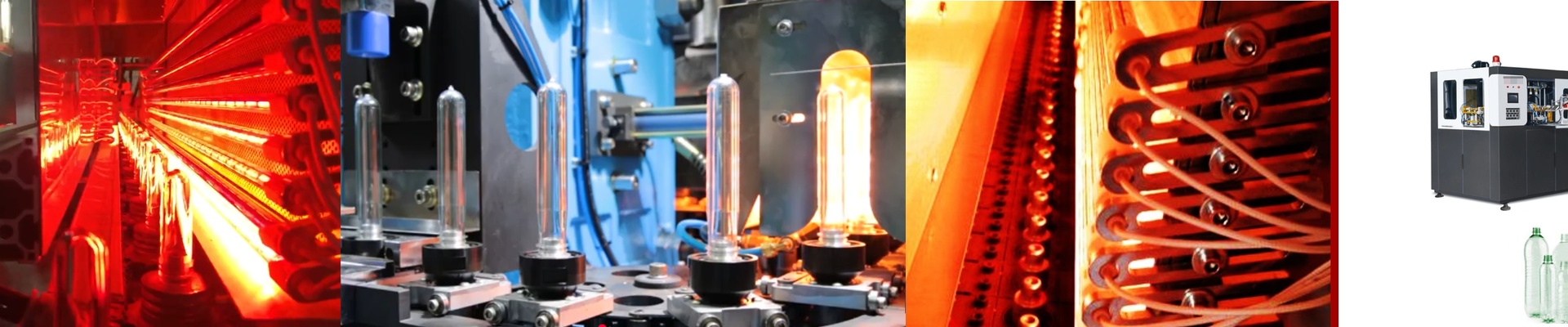
If you’ve ever tried to cook thick cuts of meat in an automated snack machine, you know the struggle. You usually end up with a piece of meat that’s charred black on the outside but practically raw in the middle. It’s frustrating, and frankly, it’s a safety risk. The secret to fixing this isn’t just cranking up the heat. It’s all about the wavelength. We use circular heating tubes that throw out short-wave infrared. Instead of just kissing the surface, these waves actually dig deep into the meat. This means the core gets hot enough to be safe to eat without turning the exterior into a charcoal briquette. To keep things steady, we pair these tubes with high-precision controllers. It lets you tweak the power on the fly. No more guessing games or “hope for the best” cooking. Now, the hardware side is where things get interesting. The circular shape concentrates the heat exactly where you need it. We’ve built these tubes to handle rapid cycling—basically, they can flip on and off quickly without burning out. When you hook them up to a PID controller, the system “talks” to the sensors on the meat’s surface and adjusts the wattage in real-time. It keeps the temperature in a very tight, predictable window. One quick tip:**watch your voltage.**If your power supply is shaky, your IR output will jump around. That’s how you end up with one batch that’s perfect and another that’s a disaster. But here’s the catch. These high-density tubes put out a massive amount of heat. Not just into the meat, but into the machine itself. If you don’t get your cooling fans and heat shielding right, you’re asking for trouble. Without proper ventilation, the heat builds up inside the housing. That drifts your sensors, messes with your precision, and can actually kill the tubes early. Oh, and do yourself a favor:**use high-temp wiring.**You don’t want your insulation melting off near the tube ends. That’s a headache nobody needs.