
Why You Need Low Thermal Inertia for Precise Temps
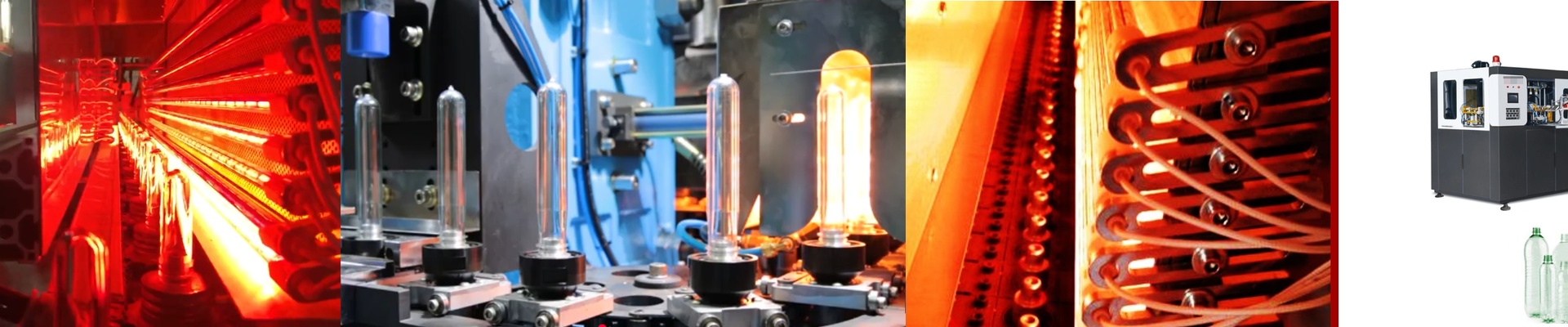
In a commercial kitchen, there’s a tiny window between “perfect” and “ruined.” Most ovens use thick metal coils. The problem? They’re like giant heat sponges. Even after you flip the switch off, those coils stay scorching hot for a while. That’s what causes “overshoot”—where your food keeps cooking even though the machine says it’s done. It’s frustrating, and it kills your consistency. We do things differently. We use short-wave infrared bulbs. Instead of trying to heat up all the air in the box, these lamps beam energy straight into the food. It’s a completely different way of moving heat.
The Magic of a Fast Response
Think of it this way: low thermal inertia means the filament hits its peak temperature in milliseconds. And the second you cut the power? It cools down just as fast. When your controller tells the heat to stop, it actually stops. You aren’t fighting a heavy slab of hot metal that refuses to cool down. The result is a smooth, steady temperature. No more jagged spikes or guessing games. It just stays where you put it.
The Nitty-Gritty Hardware
We usually go with halogen-filled quartz tubes. The halogen keeps the tungsten from evaporating, which means the bulbs last a lot longer, even when you’re pushing them hard. One tip: you’ve got to pair these with a fast-switching relay or an SSR. If you try to use a mechanical contactor, you’ll lose all that precision—and you’ll probably burn through the switch pretty quickly. Now, a quick heads-up. These bulbs pack a massive amount of energy into a tiny space. It’s why they’re so fast, but it also puts a lot of stress on the oven housing. You’ll want to make sure your reflectors are polished and your vents are wide open. If you don’t handle that localized heat, you might find your chassis starting to warp.
Why It Actually Matters
At the end of the day, this is just a better way to heat. You get a system that actually listens to you. Your food comes out the same every single time, and you stop wasting energy by accidentally overheating your ovens. It’s simpler, faster, and it just works.