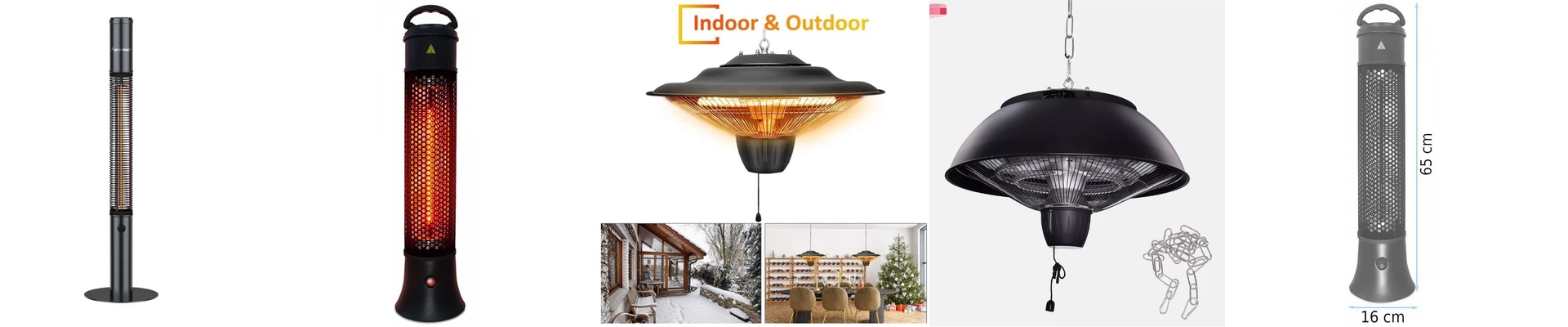
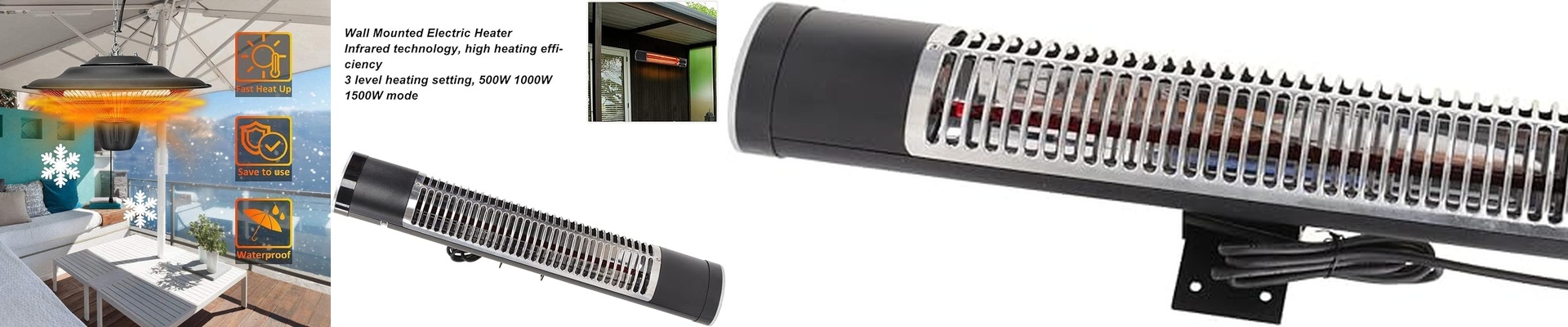
Stop Throwing Away Your Patio Heaters
Let’s be honest: outdoor heaters live a rough life. They get blasted by rain, frozen in the winter, and baked in the sun. Usually, when a heater stops working, it’s not because the whole thing is broken. It’s just that the heating element finally gave up the ghost after a few seasons of hard work. Most companies want you to buy a whole new unit when that happens. We think that’s a waste of money.
The “Swap and Go” Approach
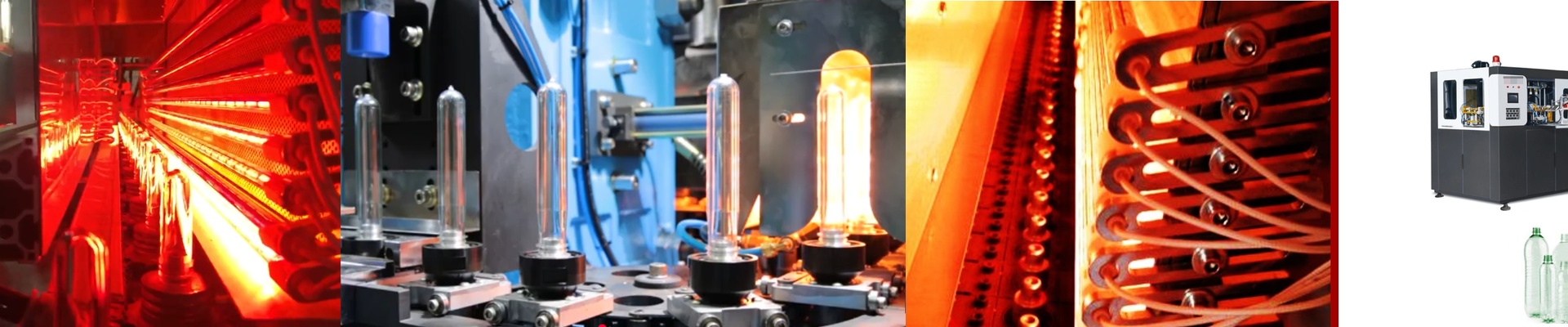
We decided to treat the heating element like a battery or a lightbulb—something you just replace when it’s done. Instead of a permanent, hard-wired mess, we built a modular system. If a tube burns out after five years, you don’t scrap the heater. You just swap the module. We used quick-release brackets and standard connectors, so a technician can just drop in a new element. No rewiring the whole chassis, no headache.
Dealing with the Elements
Water is the enemy here. It creeps into every little gap and ruins seals. To stop that, we put the gaskets in a specific spot—away from the heat zone. This keeps the wires from getting brittle and cracking under the pressure. The best part? Swapping a tube takes less than ten minutes. You power it down, unlock the retainer, pull the old one out, and slide the new one in. It’s that simple.
The Honest Truth on the Trade-offs
Now, nothing is perfect. Because we use modules instead of hard-wiring everything, there are more connection points. And more joints mean more chances for things to wiggle loose if the heater vibrates. To fix this, we use locking connectors. Just a heads-up:**make sure they’re clicked all the way in.**If they aren’t seated fully, you might get some sparking at the terminals, and nobody wants that. Also, these tubes get incredibly hot. Since we made the replacement process so easy, we had to make sure the housing can handle that heat. We used high-thermal materials so the clips don’t warp or melt over time. It just works.