Why we put our bathroom heaters through a “steam torture test”
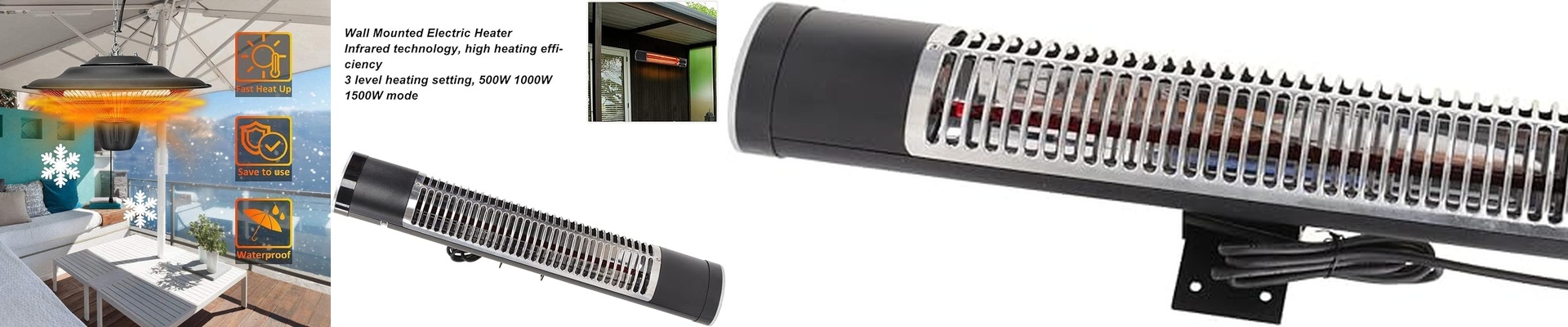
If you’re designing a heater for a bathroom, you can’t just worry about how hot it gets. You have to worry about the water. We build our infrared lamps with an IPX5 rating, which is a fancy way of saying they can handle water jets hitting them from any direction. But here’s the thing: a rating only tells you if the seal works the day it leaves the factory. It doesn’t tell you if that seal is still doing its job after two years of steamy showers and freezing mornings. The reality of steam Bathrooms are basically giant humidity machines. They go through this constant cycle of getting soaked with steam and then drying out. We call it a “breathing” effect. The heater practically inhales moist air. Over time, that moisture eats away at the gaskets and messes with the electrical connections. To stop this from happening in your home, we run “humid-heat aging tests.” We basically lock the units in a sweltering, humid chamber for days on end. We’re trying to force the rubber seals to harden and the internals to rust as fast as possible. Finding the breaking point When water gets into a high-wattage heater, things go south quickly. You get short circuits or the element just burns out. While we’re torture-testing these units, we keep a close eye on the insulation. If the moisture sneaks past that IPX5 barrier, we see a spike in the leakage current. We want to find those failures now. I’d much rather a unit blow a fuse on my workbench than have you dealing with a tripped breaker while you’re standing in a wet bathroom. The balancing act You might think, “Why not just seal it airtight?” Well, there’s a catch. If you make a seal too tight, the air can’t move. The internal wiring starts to bake in its own heat. It’s a bit of a tug-of-war. We have to find the sweet spot where the unit stays waterproof but can still “breathe” enough to keep the electronics cool. That’s why we’re so specific about installation clearances. As long as you give the housing a bit of room to breathe, you get a heater that stays dry and lasts for years.