
Stop Replacing Your Entire Outdoor Heater
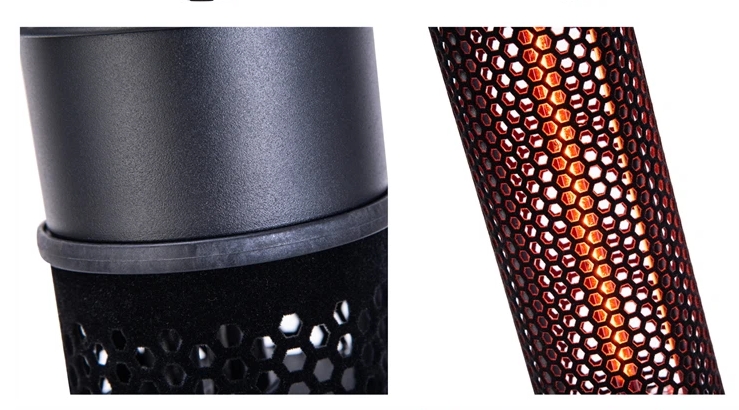
Let’s be honest: outdoor heaters have a rough life. Between the rain, the snow, and those brutal temperature swings, the heating elements eventually give up. Usually, when a tube burns out after a few years, you’re stuck. The cost isn’t just the price of the part—it’s the headache of the labor and the time your space stays freezing cold while you wait for a fix. The nightmare of the “full teardown” If you’ve ever worked on a standard heater, you know the drill. To replace one single failed element, you basically have to gut the entire machine. You’re stripping the whole chassis just to find one connection. It’s tedious, frustrating, and a total waste of time. We got tired of that, so we changed how the thing is built. Instead of soldering everything into one giant, permanent board, we went with a modular setup. Think of it as plug-and-play. How it actually works We separated the waterproof shell from the infrared core. Now, the heating tubes sit in their own little carriage with quick-connect terminals. If a tube goes out, you don’t have to rewire the whole unit. You just pull the module out, swap the tube, and slide it back in.It’s that simple. Maintenance that used to take hours now takes a few minutes. No more fighting with rusted screws or praying you don’t break a delicate solder joint while you’re standing in the rain. The nerdy stuff (and the catch) Now, adding more connection points can sometimes lead to voltage drops or overheating. To stop that from happening, we used high-grade conductive alloys and made the sockets fit incredibly tight. One thing to watch out for: you’ve got to make sure the seals are seated perfectly when you slide the module back in. If they aren’t, the waterproof protection is gone, and you’re back to square one. What this means for your site If you’re managing a big facility with dozens of these things, this is a lifesaver. You don’t need to buy whole new heater banks. Just keep a few spare tubes on the shelf. It turns a major electrical project into a quick service call. Your team can just drop in a new part and get the heat back on without needing a full overhaul of the site’s wiring.